
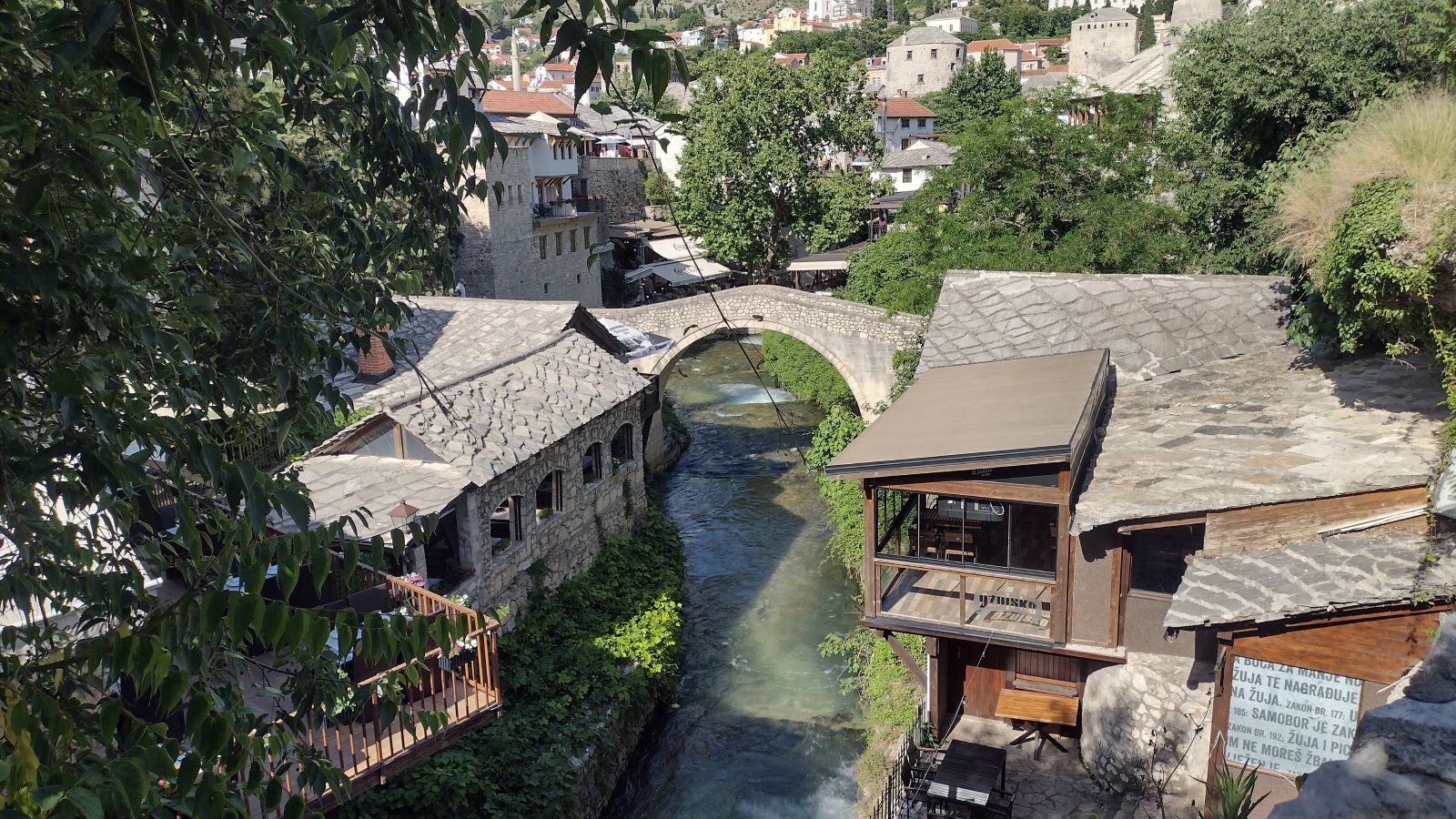
Summers in Mostar seem to get better on every visit.
Whether it’s relaxing in a riverside restaurant while soaking up the views of Stari Most or heading out into the sun-splashed Herzegovina countryside, there’s a little bit for everyone.
I’ve been a handful of times to the “city of bridges” and I’ve grown more fond of it each time. It’s one of the must-visit places if you’re heading through Bosnia & Herzegovina. And, while the historic old bridge gets most of the attention, there are plenty of other things to fill up a planned city break to Mostar.
In this guide, I go into detail about everything Mostar.
That includes the best spots to try some wonderful Bosnian cuisine, a self-guided tour through the city’s spectacular street art scene, and what to see while wandering around the Old Town. Plus tips on where to stay and the best way to get around.
These are the top things to do in Mostar, Bosnia and Herzegovina.
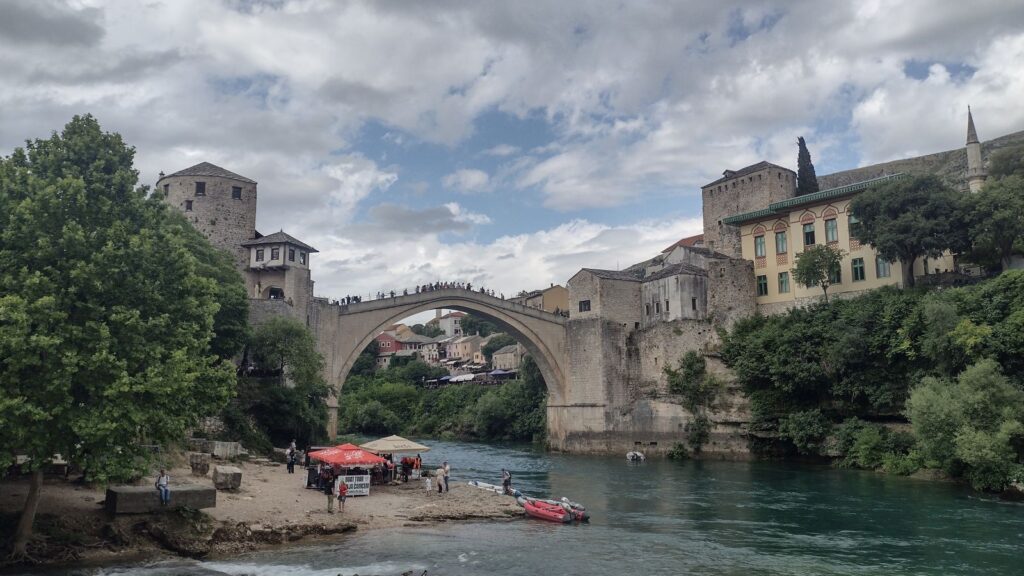
FIND THE BEST VIEW OF STARI MOST
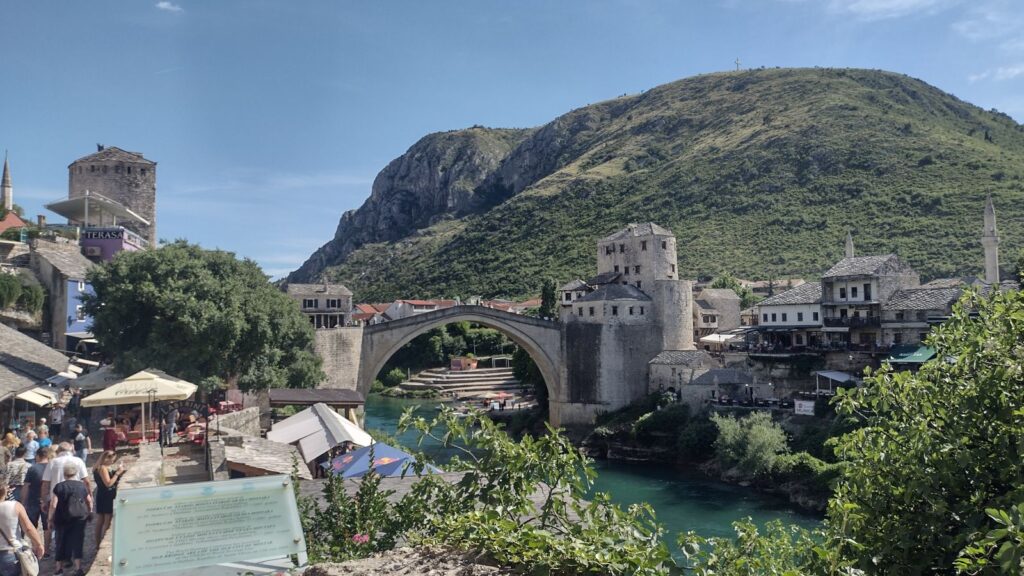
Almost everyone visiting Mostar has undoubtedly heard of the famous Old Bridge, aka Stari Most. It’s the city’s main attraction, an iconic Ottoman-era bridge that stood the test of time until its unfortunate destruction during the Bosnian War.
Immediately after the war, plans were put in place to reconstruct it based on its original design. Pieces of the old bridge were recovered from the river, and local quarries supplied the rest.
Shortly after its completion, it was designated a UNESCO World Heritage Site, and now we all get to see one of Europe’s prettiest bridges!
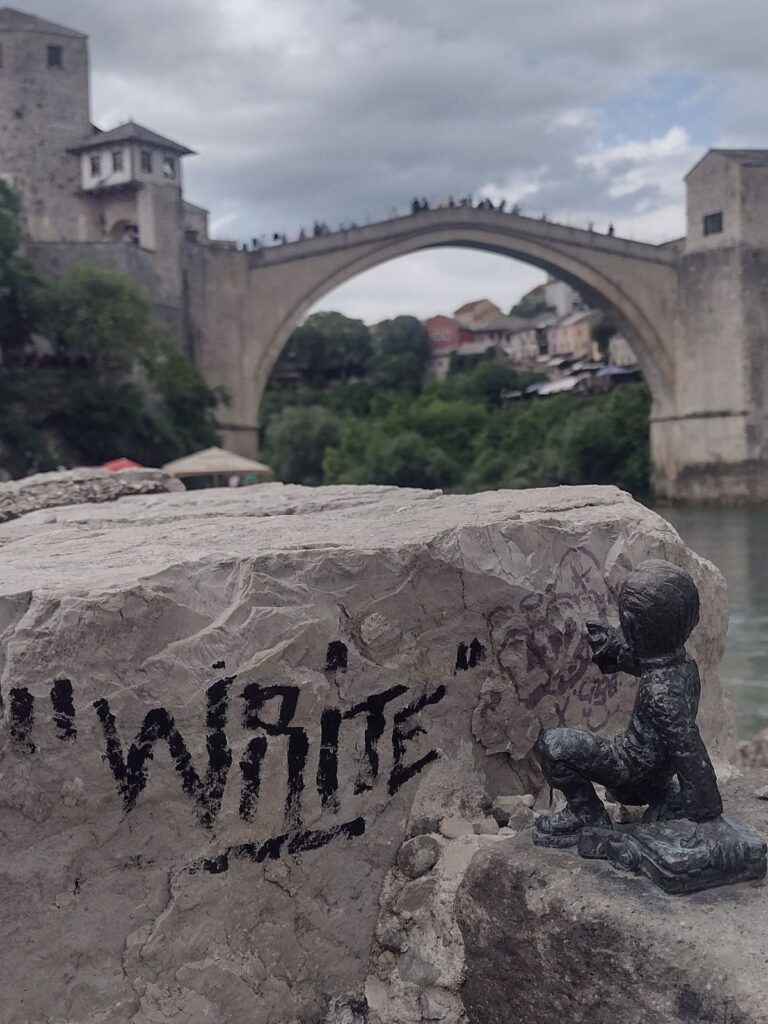
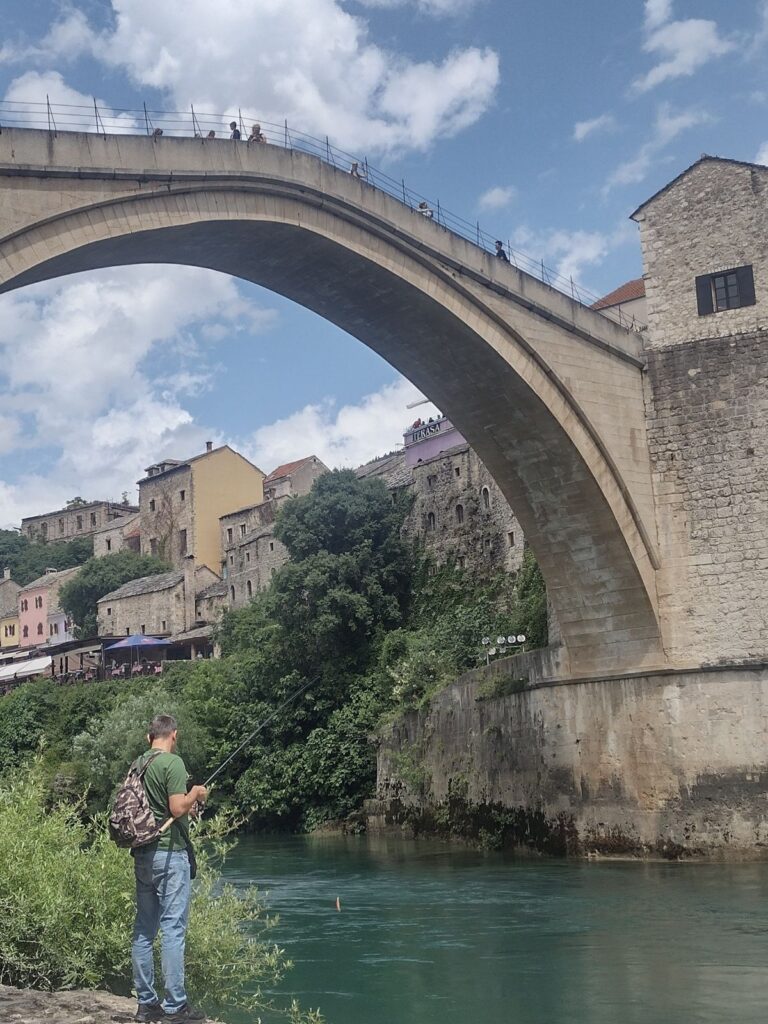
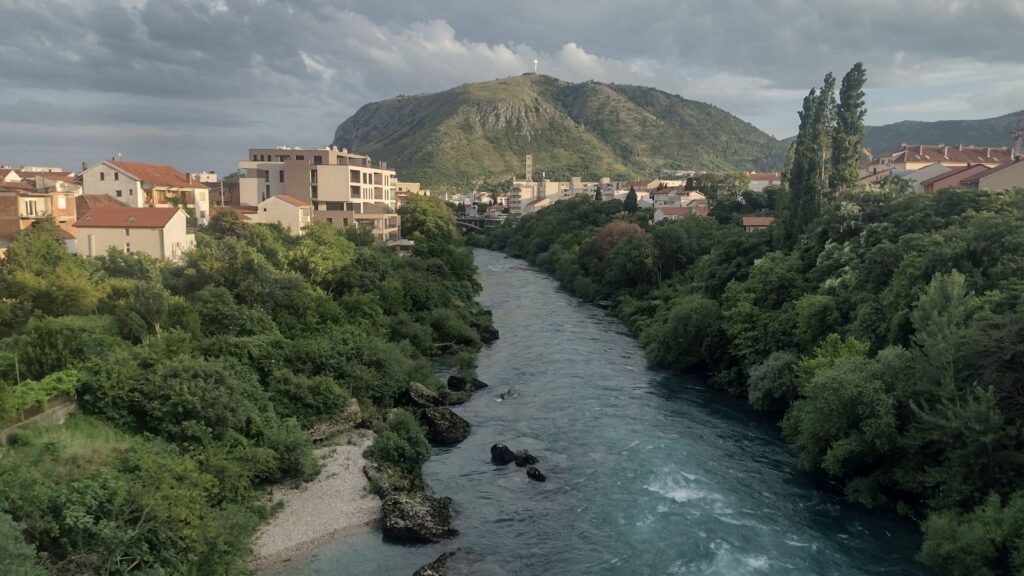
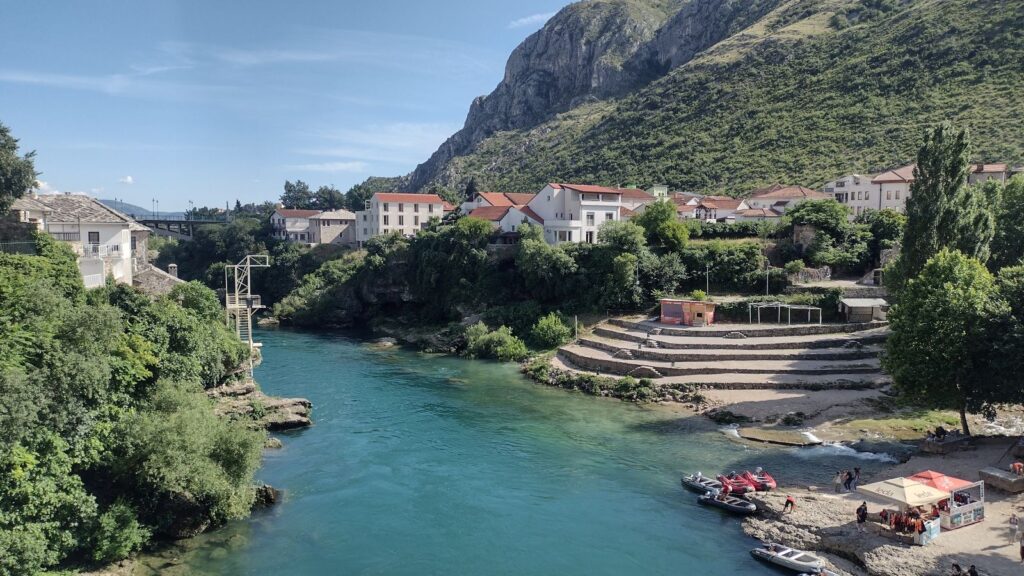
There are all kinds of great viewing spots, but my personal favorite is the scenic rocky beach below the bridge. However, lunch and dinnertime views from the patios of the nearby restaurants are a close second.
The beach, though, is the best place to see the iconic Mostar divers bravely leap from the middle of the bridge’s singular arch. It doesn’t happen too often, at least not until they round up enough donations, but when it does, it’s a spectacular sight.
Fun Fact | Stari Most is a common stop on the Red Bull Cliff Diving World Series tour. I went to the 2018 event and had an absolute blast.
WANDER THE STREETS OF OLD TOWN
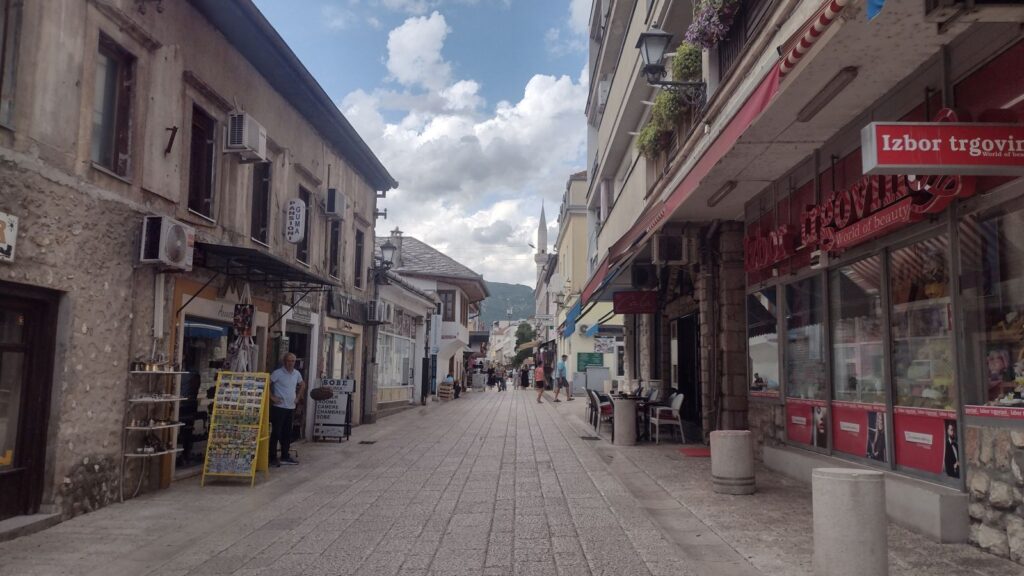
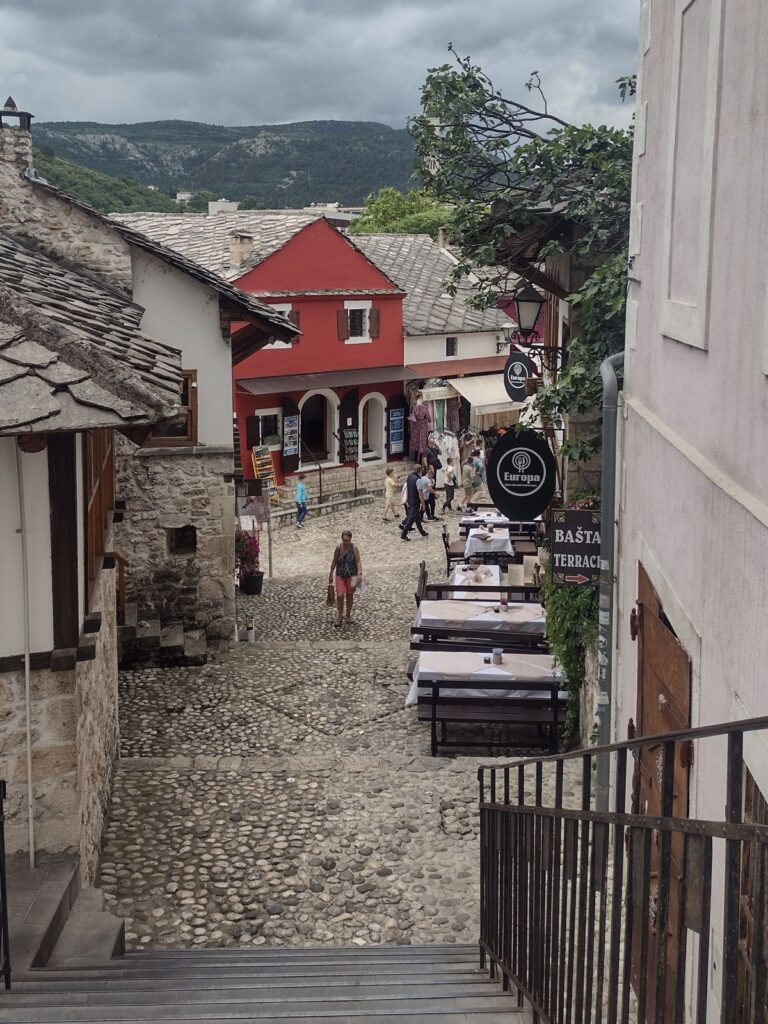
Mostar’s Old Town feels straight out of a fantasy with its cobbled stone streets, Ottoman-era architecture, and picturesque shops. It’s the perfect place to get lost in while you take in the sights and smells.
I go into more detail about some of the mosques, museums, and restaurants later, and of course, I already mentioned Stari Most. But there’s plenty more to see besides that.
Here were some of the other sites worth seeing in Old Town:
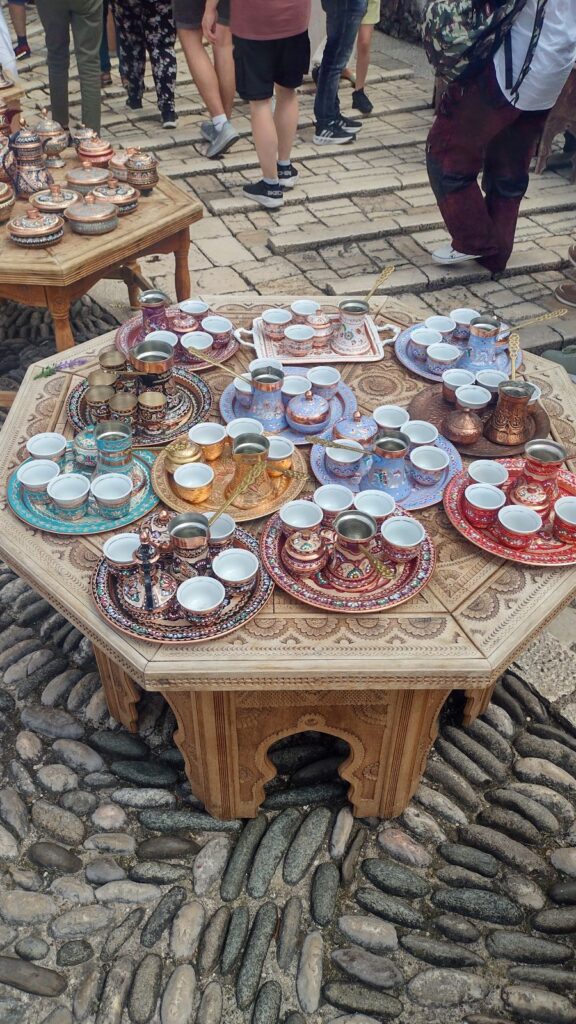
Kujundžiluk Bazaar | A stretch of dozens of vendors and shops on both sides of the river. You’ll come across a range of items from small trinkets to typical souvenirs to more niche Bosnian antiques. There are some cool copper tea and coffee kitchenware, and handmade crafts as well.
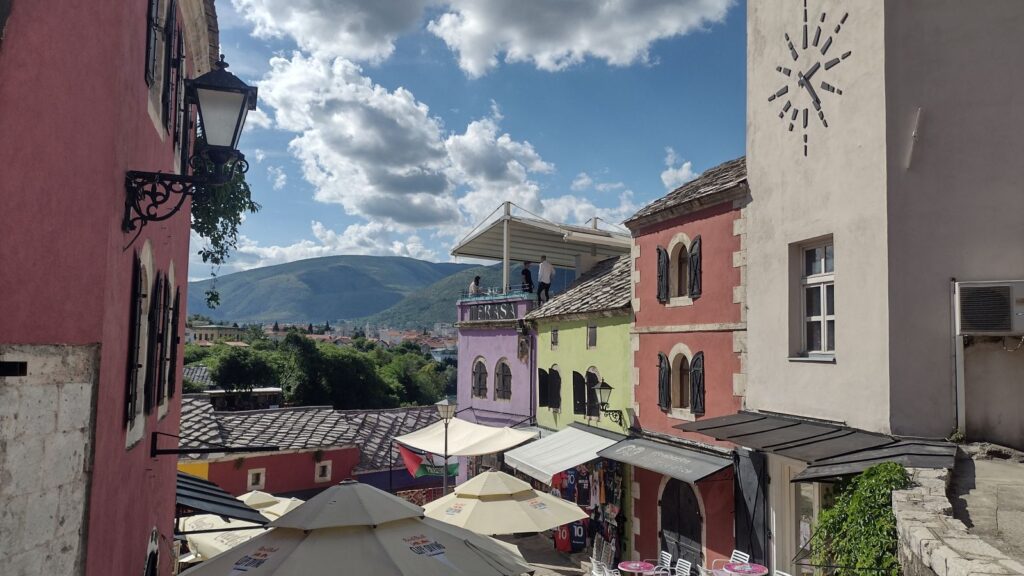
The Clock Tower (Sahat Kula) | The beautiful clock tower was first built in the 17th century and used to display “a la turka” time, which meant it was adjusted daily based on sunrise and sunset times. The current structure is a restored tower with a newer 20th-century clock.
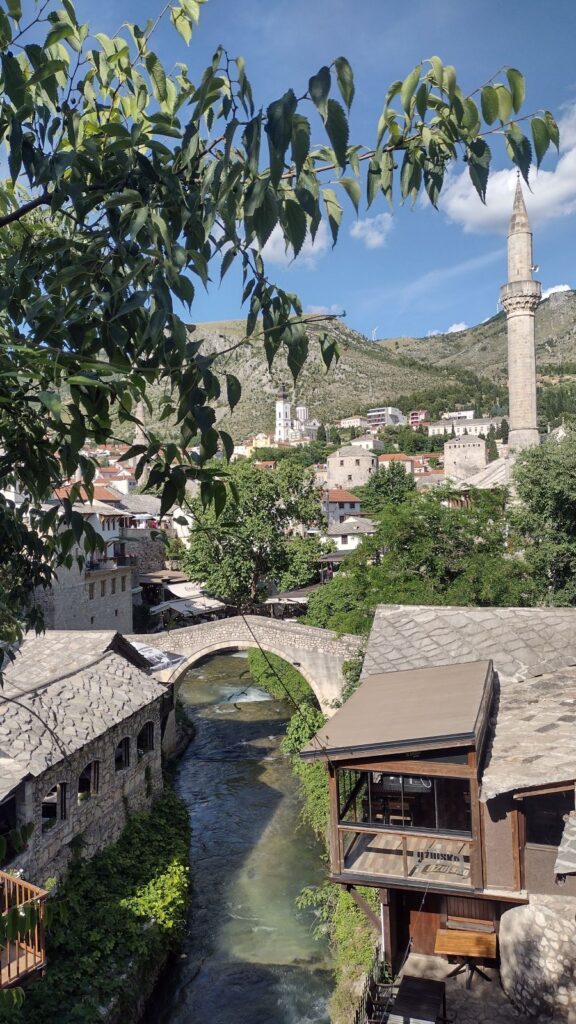
Crooked Bridge (Kriva ćuprija) | Mostar’s “other bridge” is smaller, but equally as charming as Stari Most. It was once a strategic piece of architecture that allowed for an easy flow of traffic connecting different parts of the city. It was destroyed in floods in the 90s but has since been reconstructed to its previous look. There is an excellent view of it from this (maps) point here.
The Hamam Museum | A small museum set in a former Ottoman bathhouse. It was closed when I was there, but it is supposed to have some interesting pieces that give insight into historic Turkish bathing routines.
Art House “Mujaga” | Another small “heritage museum” with some cool art and music pieces. The owner is often playing enchanting music that draws you in.
JOIN A FREE WALKING TOUR
If you’re seeking to learn about the history of most of the Old Town’s highlights, I suggest joining a free walking tour. I always search for these tours when I’m in a new place, and for the most part, they’ve always been a great experience.
Mostar has a few people organizing free walking tours at different times throughout the day. Most of the guides are locals who grew up in the city, most of whom experienced the war or its aftermath. They are very knowledgeable, have great insight, and give fun tidbits about the history of Mostar throughout the years.
Travel Tip | Free walking tours are tip-based. While there is no set price, it’s appreciated and expected to tip a little money at the end of the tour. Make sure to check out what’s considered a normal tip during your visit, but I found using around €10-15 as a baseline and adjusting that based on the length and quality of the tour to be a good approach.
Alternatively, you can join a paid walking tour in the city. If you have a larger group or want a more personal experience, this is something worth looking into.
There are also more niche options like this ‘The Death of Yugoslavia Tour in Mostar’ that focus specifically on Yugoslavia. I did something similar to this on my first visit to Bosnia and Herzegovina and found it to be an excellent way to learn about the former country.
GRAB A BITE OF TRADITIONAL BOSNIAN CUISINE
Bosnian food is not only delicious, but also an excellent way to experience the country’s history through eating. There are a lot of shared flavors and influences in the cuisine that give insight into the relationship Bosnia had with places like Turkey and Greece.
I find Bosnia & Herzegovina to have some of the tastiest food in the region, and while I’m sure some of its neighbors might contest my claim, there’s no doubt that typical dishes like Bosnian ćevapi and burek are praised by most.
TYPICAL BOSNIAN (& HERZEGOVINIAN) DISHES IN MOSTAR
Ćevapi or Ćevapčići | Grilled minced meat sausages, made with lamb and beef, and served with flatbread and onions.
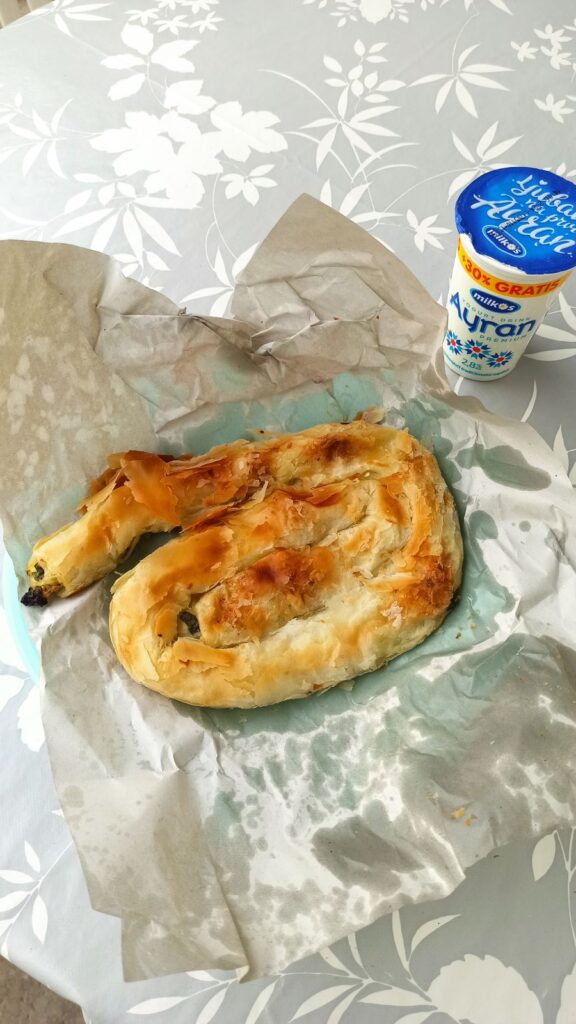
Burek | Meat or vegetable pastry with layered dough. Typical fillings include spinach, cheese, potato, or minced meat. Best topped with yogurt.
Pljeskavica | Grilled meat patty served with sides—a Balkan hamburger of sorts.
Begova čorba | Or, Bey’s soup is a chicken and okra soup that also includes other vegetables and seasonings.
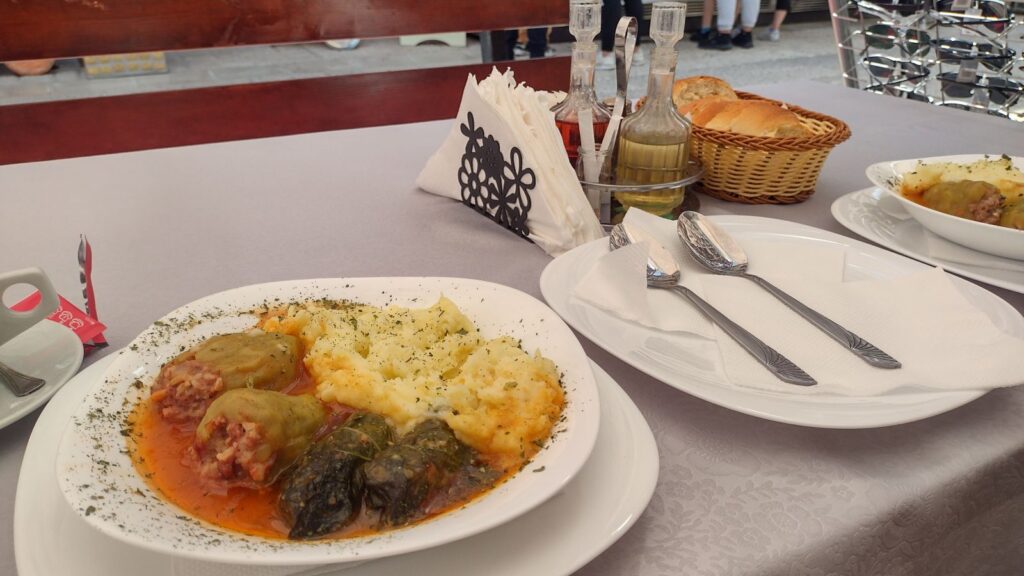
Dolma, Japrak, Sarma | Stuffed onions (or other veggies), stuffed grape vine leaves, stuffed cabbage (or other leafy greens).
Baklava | A sweet pastry with a thin layer of dough, stuffed with nuts, and covered in syrup
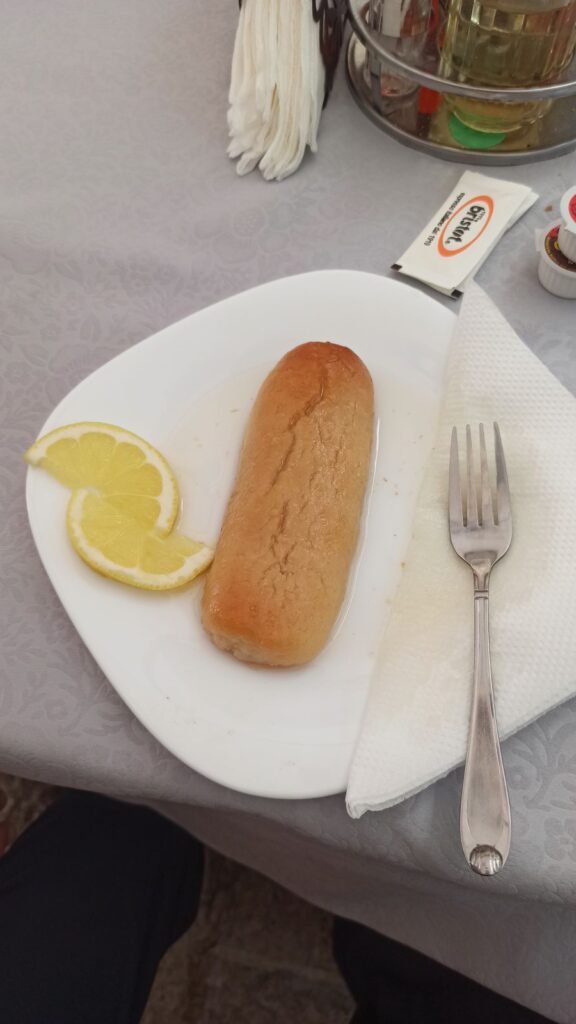
Hurmašice | Syrup-soaked biscuits.
Bosanska kafa | A strong, dark Bosnian coffee prepared similarly to Turkish coffee.
Rakija | Traditional fruit brandy. Common flavors include grape, quince, and plum.
Here are some of my favorite restaurants around Mostar:
Tima – Irma | They specialize in grilled meat platters, and they do it pretty well. It’s a nice place to grab some ćevapi or pljeskavica in the heart of the Old Town.
Fast Food Šemovac | Simple, nice fast food with decent meat dishes and some good burek. I especially enjoyed the potato burek, which can sometimes be difficult to find in the local bakeries.
Terrace Lagero | The first restaurant I visited in Mostar about 7 years ago. They do nice traditional Bosnian meat dishes. Views of the bridge from the terrace are stunning.
Food House Mostar | A busy place with decent traditional food, amazing vegetarian options, and a pretty cool atmosphere.
If you’re keen on learning to cook Bosnian food, there’s a burek masterclass and a traditional Bosnian cooking class you can book online that meets in front of the restaurant.
Restoran Zeman | A well-priced restaurant with tasty local dishes. The dolma and japrak were really nice, and they have a Herzegovinian mix if you want to taste a little bit of everything. This was also where I first tried hurmašice, which was refreshing on a hot summer day.
MORE OPTIONS
(Restaurants/Cafes/Drinks)
Divanhana – Bosanska Kafana
Restaurant Šadrvan
Restoran Neretva
Crveni Han
URBAN taste of orient
Burger Beg
Night Bar Duradzik
Timber & Stone Tavern Mostar
VISIT THE UNIQUE PARTIZAN MEMORIAL CEMETERY
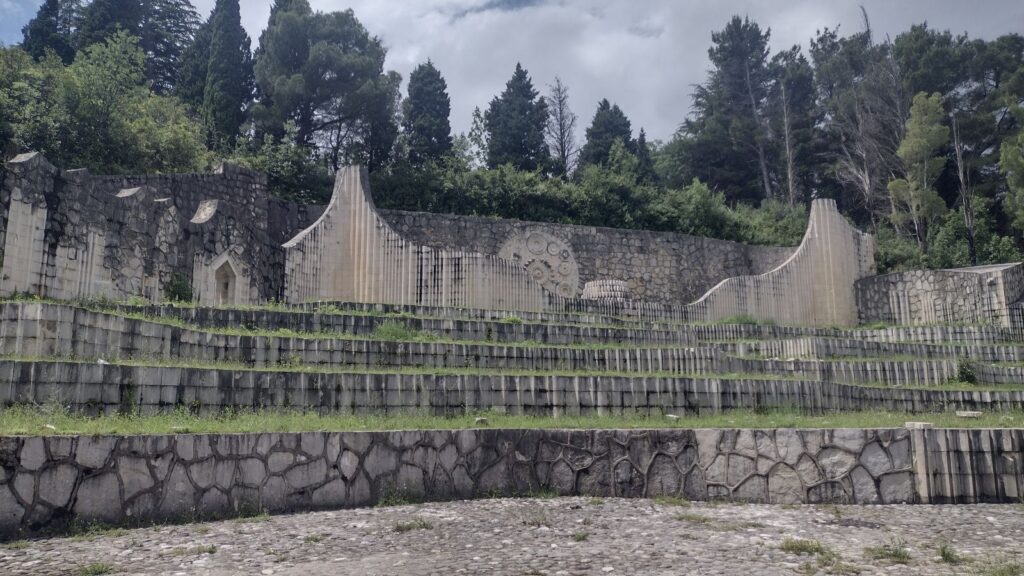
Funky, unique, and utterly mesmerizing. The Partizan Memorial Cemetery seems like something out of an 1980s sci-fi or fantasy movie.
Designed by Bogdan Bogdanović (the architect, not the basketball player), the cemetery pays homage to the Yugoslavian Partisans of Mostar who were killed during WWII. It’s had a bumpy road since its creation in the 1960s, going through a period of heavy damage from the war, renovation, neglect, and vandalism.
On my visit, I expected it to be more rundown and filled with graffiti. However, someone must still stop by occasionally to clean up trash and power wash the abstract concrete architecture, because there were only a few pieces of trash scattered around.
Don’t get me wrong, it still looks untended and abandoned. But I feel like that adds mystery to the fairytale-like complex.
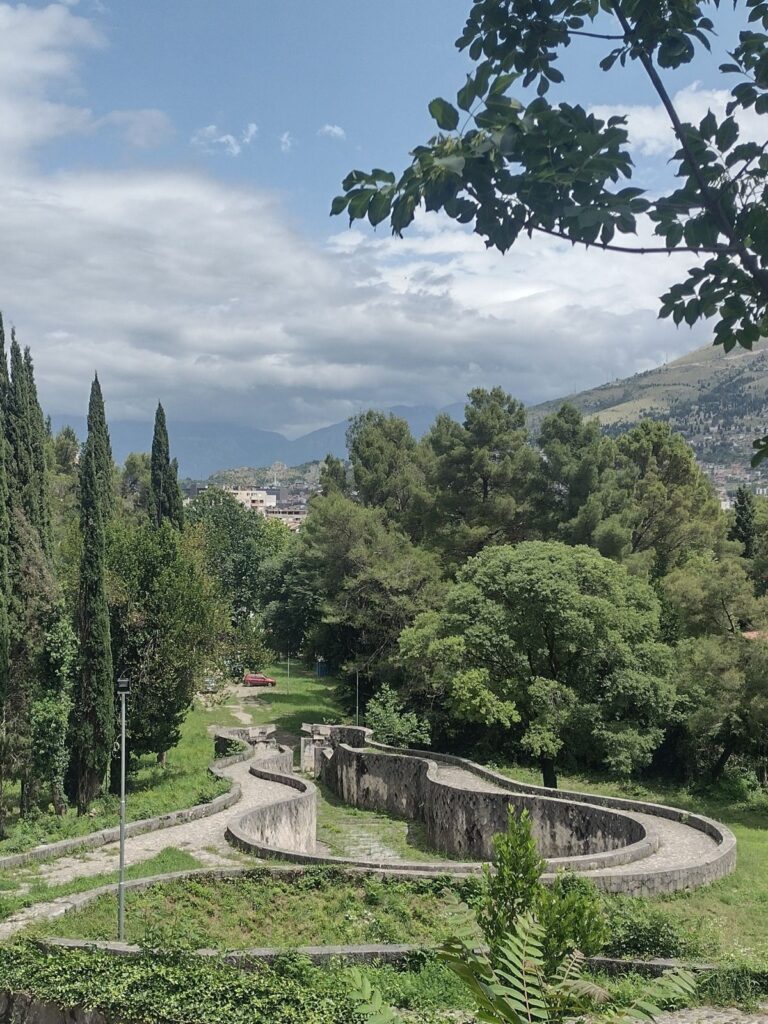
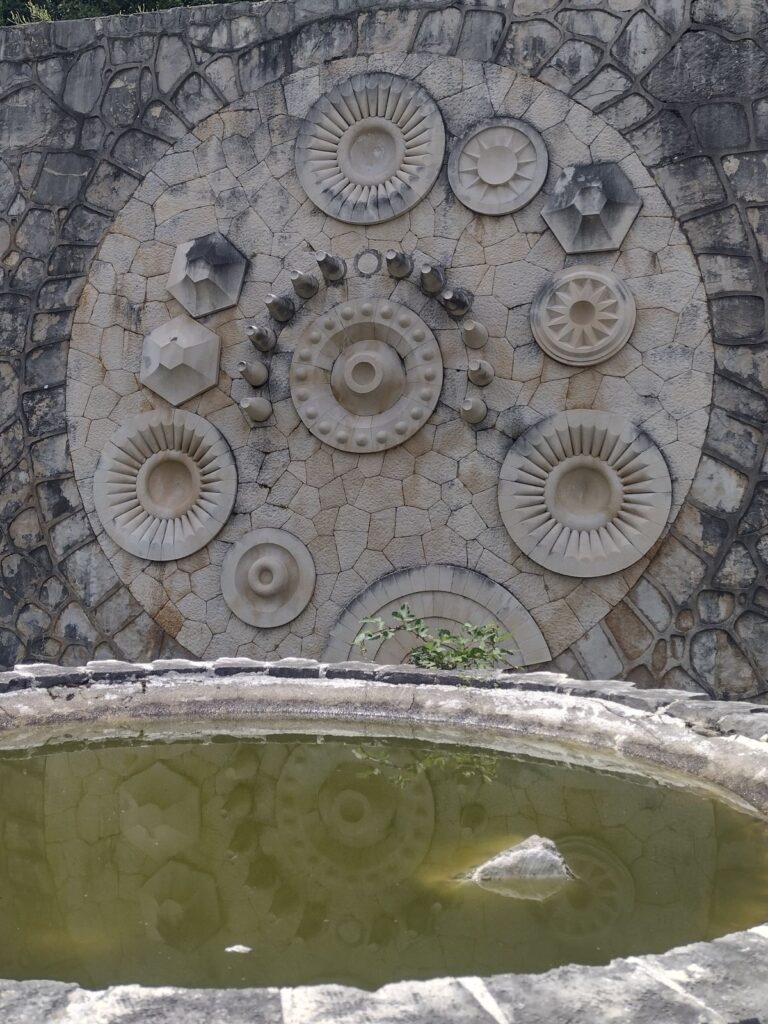
Make sure to head up the tiered sections until you reach the sundial-looking formation and fountain. It’s near the top of Hum Hill, so you’ll have some nice views of the city, and in all likelihood, you’ll be there all by yourself.
This is one of the more eccentric things to do in Mostar, and a must-visit for those of you who are interested in architecture, communist-era structures, or urbexing.
Remember | This is still a graveyard, so be respectful when visiting. Bosnia & Herzegovina lists the Partizan Memorial Cemetery as a national monument, and it’s still a pilgrimage site for some in the Balkans.
DO A SELF-GUIDED STREET ART TOUR
Mostar is a paradise for street art lovers. Giant murals and creative graffiti are plastered all over town, whether it’s on the walls of war-damaged buildings or hidden on the sides of modern apartment complexes.
It’s a city that takes pride in its art, something I noticed on each of my visits, as new pieces constantly pop up around town.
There is also the yearly Street Arts Festival Mostar, which usually takes place in August or September. Artists from around the world join in and create some awesome pieces throughout Mostar.
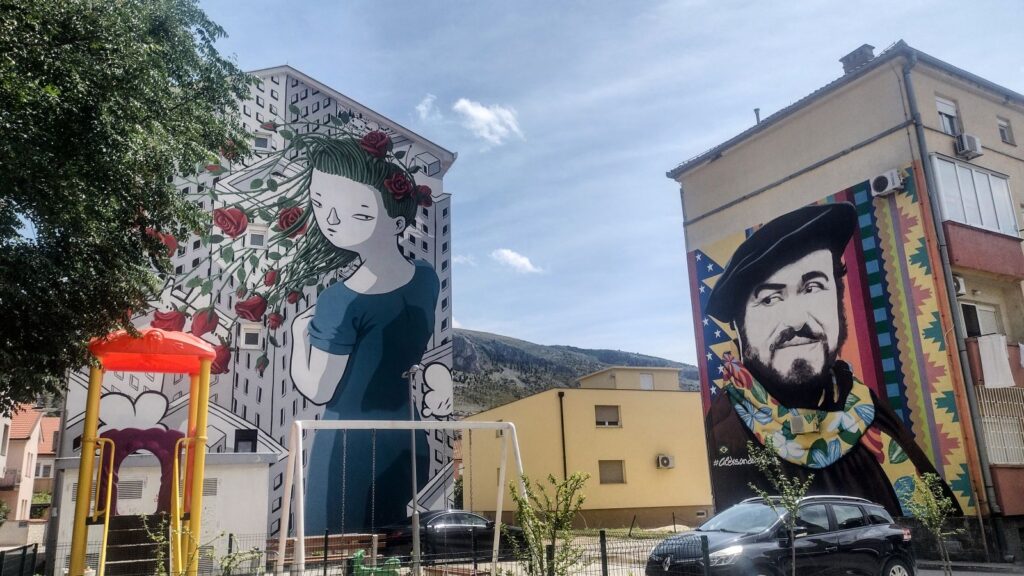
Here are some places worth going on a self-guided tour of the city’s street art:
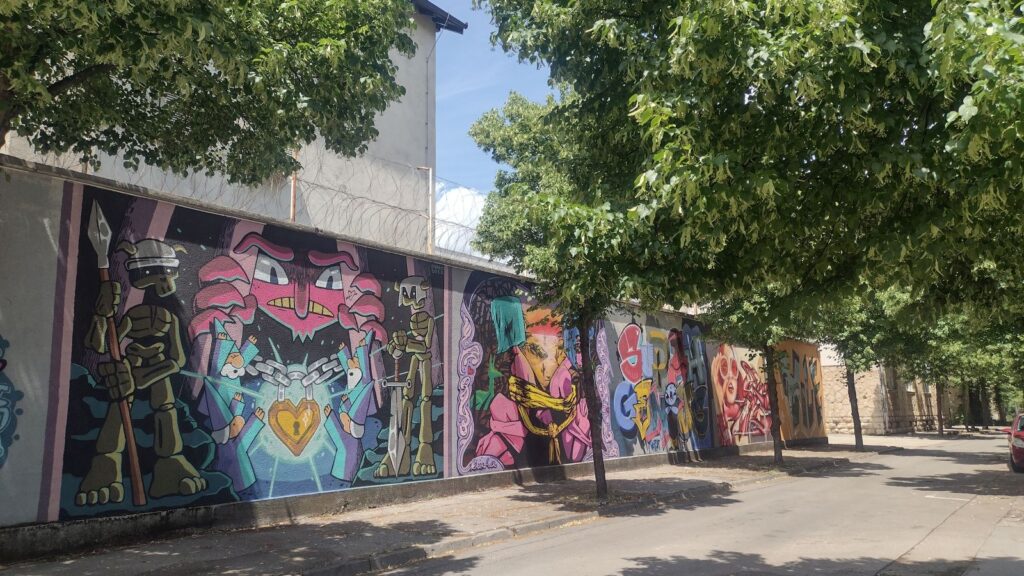
Tvrtka Miloša / Alekse Šantića / Adema Buca Streets | These three streets combine to create one single road on the western side of the Neretva. Murals can be found in various spots along the road, but the highest density is around the Youth Cultural Center Abrašević (Omladinski kulturni centar Abrašević).
There’s a whole wall lined with interesting pieces, some of which were done during the 2023 festival. Further south, you’ll come across two beautiful murals; one with birds flying in the sky and another with the famous bridge.
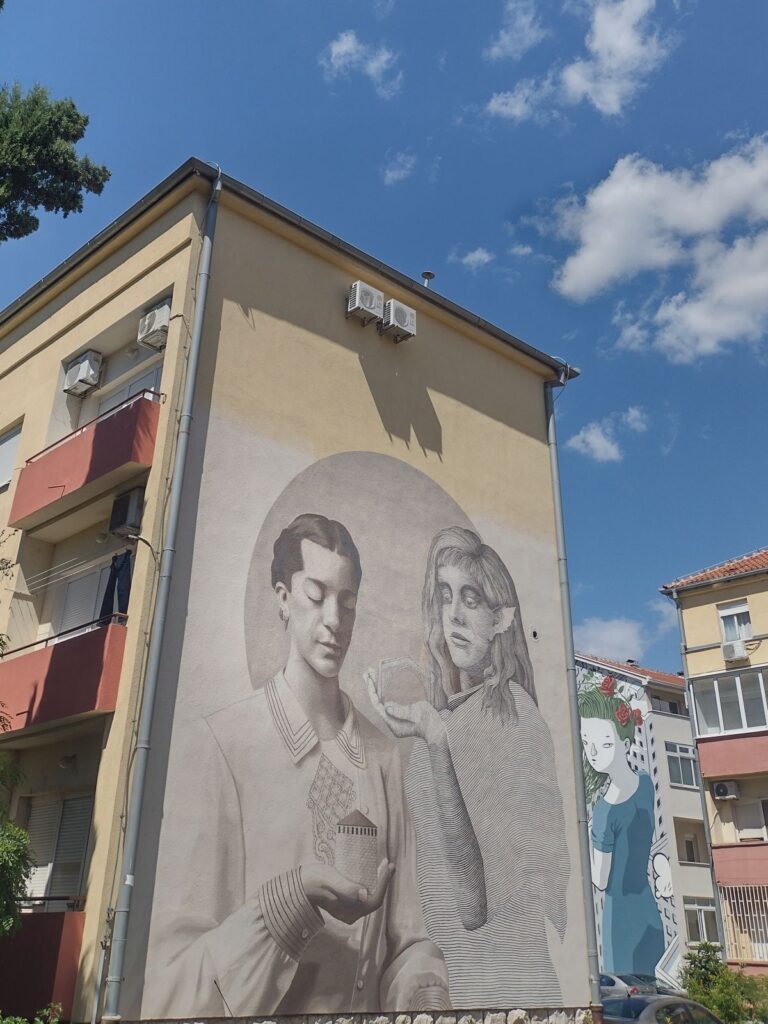
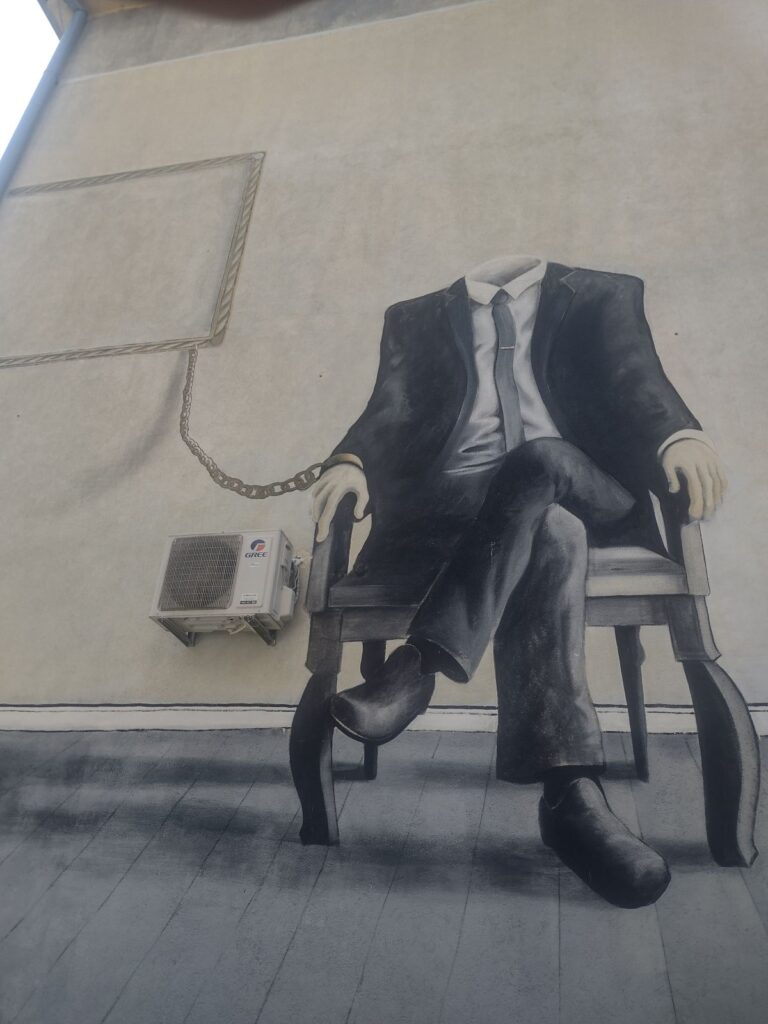
Fassadenmalerei (maps) | There are about a dozen massive murals on the sides of residential apartment complexes just off Tvrtka Miloša Street. They are absolutely stunning and range in style from more traditional art to funky modern works.
Some are easy to miss, so make sure you wander through the parking lot in the complex to discover them. Quite a few of these were done during the 2021 street art festival.
Sniper Tower | I’ll start by saying you can’t actually enter the famous sniper tower. It’s been gated off for years, but was once a hotspot for artists looking to create graffiti. In the past, people would sneak in through the fences, but it seems to have been regulated a bit better as of late.
But, as long as it stays standing, you’ll be able to see some stunning artworks in and around the Sniper Tower. The outside walls are covered with cool creations, while there are dozens more that can be seen through the fences on the bottom floor. I’m sure there are breathtaking works on the above floors, but unfortunately, they aren’t accessible anymore.
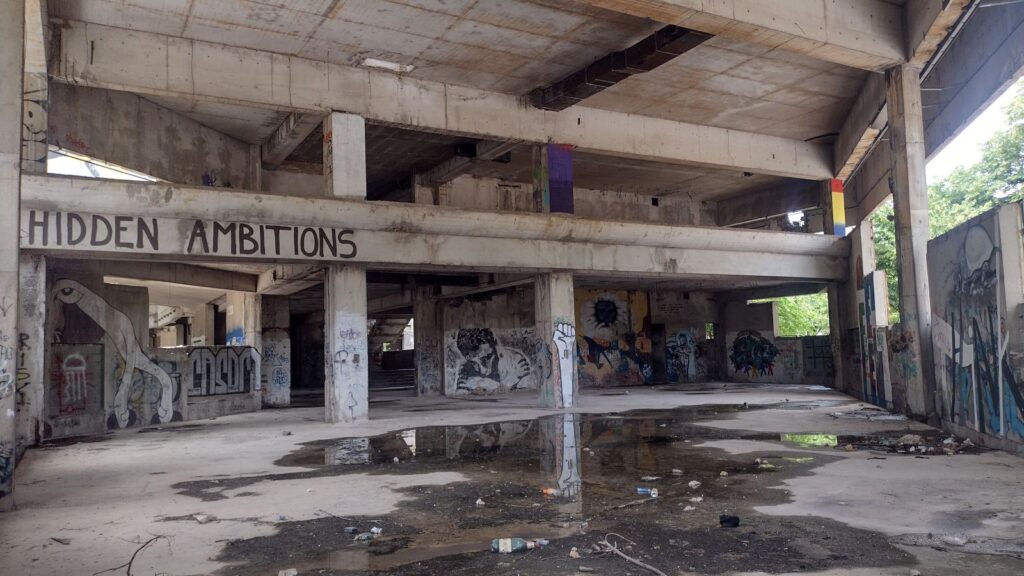
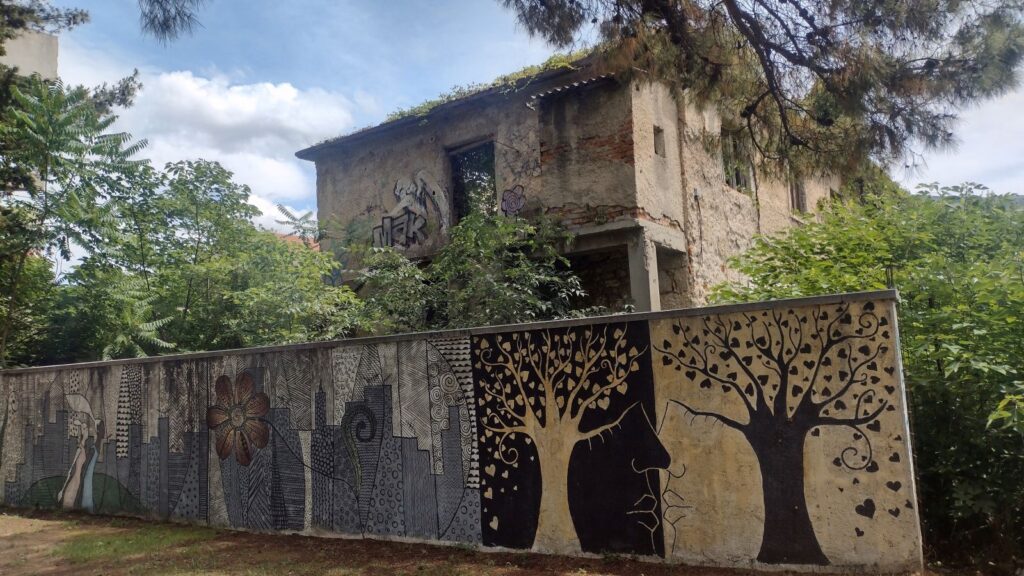
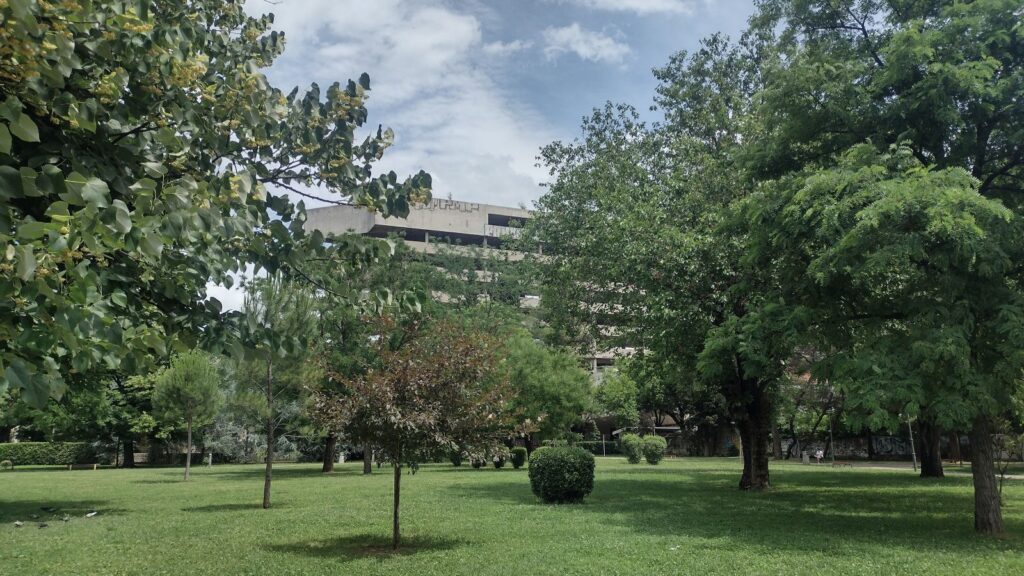
Park Zrinjevac | The giant park next to the sniper tower has a wall filled with artistic endeavors. Some of my favorite art around town was on this wall, which is in the northeastern part of the park. There are some fantastic views of the sniper tower from here as well.
Random Spots Around Town | There are plenty more places to see street art in Mostar; you’ll just have to venture a bit further out. I enjoyed a fish painting near Craft Beer Garden Imaimoze, and some of the stuff by the old Razvitak Shopping Mall. You can also check the Street Art Festival Mostar page I linked above to see if anything new has been installed.
Of course, if you’re fascinated with the murals you see and want some backstory behind Mostar’s street art scene, you can join a street art walking tour with a current artist.
HANG OUT IN PARK ZRINJEVAC
I originally wandered over to Park Zrinjevac for one reason, and one reason only, to see a life-size bronze statue of Bruce Lee. Unfortunately, during my visit, it was nothing more than a concrete slab with the martial arts legend’s name on it.
It turns out that sometime in 2024, the statue was stolen for parts. I’m hoping the next time I visit, I’ll be fortunate enough to see the once-popular monument standing tall again.
For now, though, it seems that you can only recreate his famous stances.
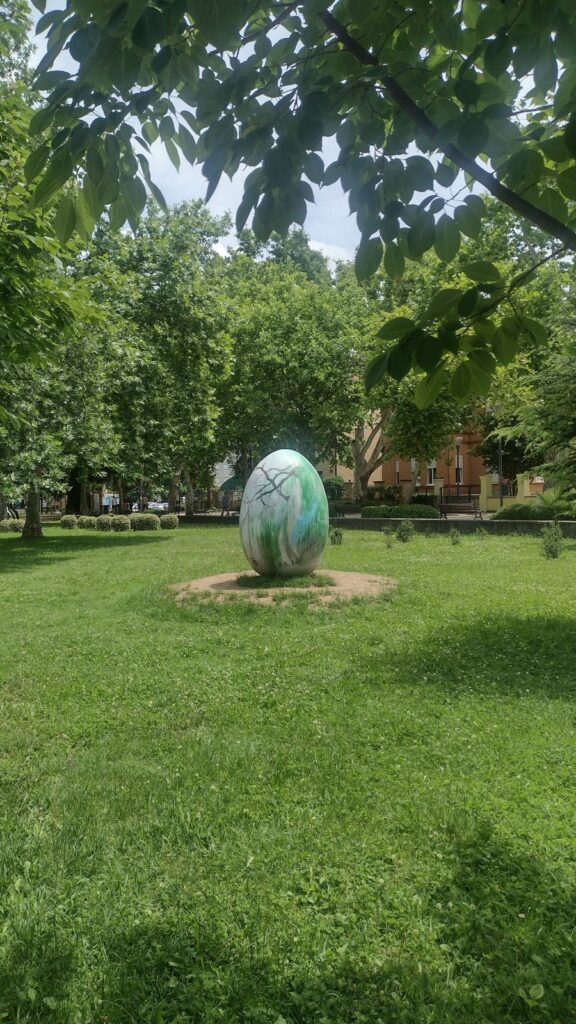
Despite my disappointment, I found the park to be a wonderful place to walk around. There are unique sculptures all about, including an odd painted egg one. You’ll also find a wall at the northeast end that has the really beautiful street art I mentioned above.
On the outskirts of the park, there’s even more to see. Near the roundabout, you’ll find the ‘The home of Herzeg Stjepan Kosača’ cultural center, which is home to the Galerija Kraljice Katarine and sports a massive modern water fountain in its front courtyard.
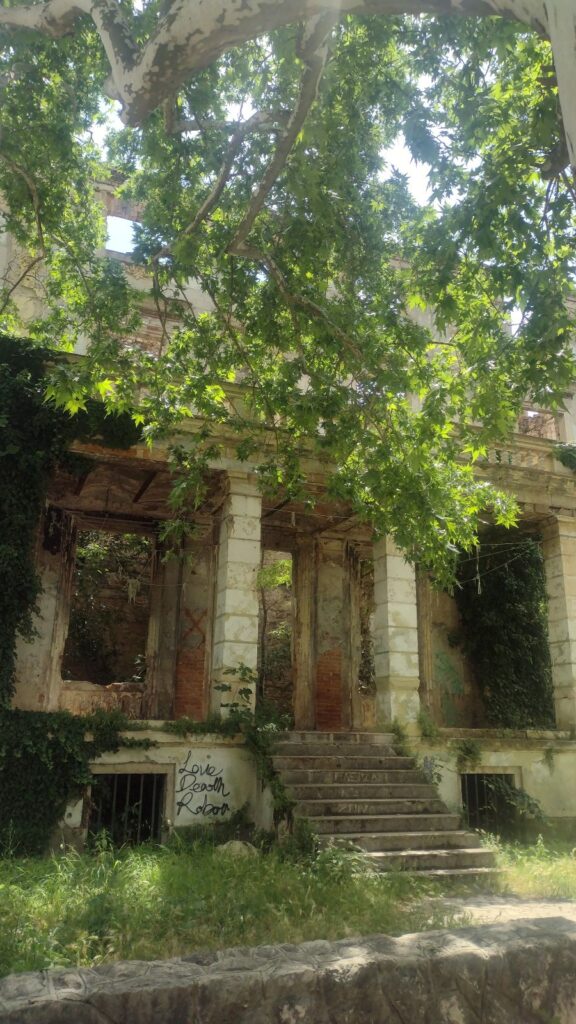
The road that straddles the park to the east (Nikole Šubića Zrinskog Street) is lined with abandoned and war-ravaged mansions, while the northern edge has a direct view of the Sniper Tower and is a short walk from the Spanish Square.
SEE THE MOSQUES OF MOSTAR
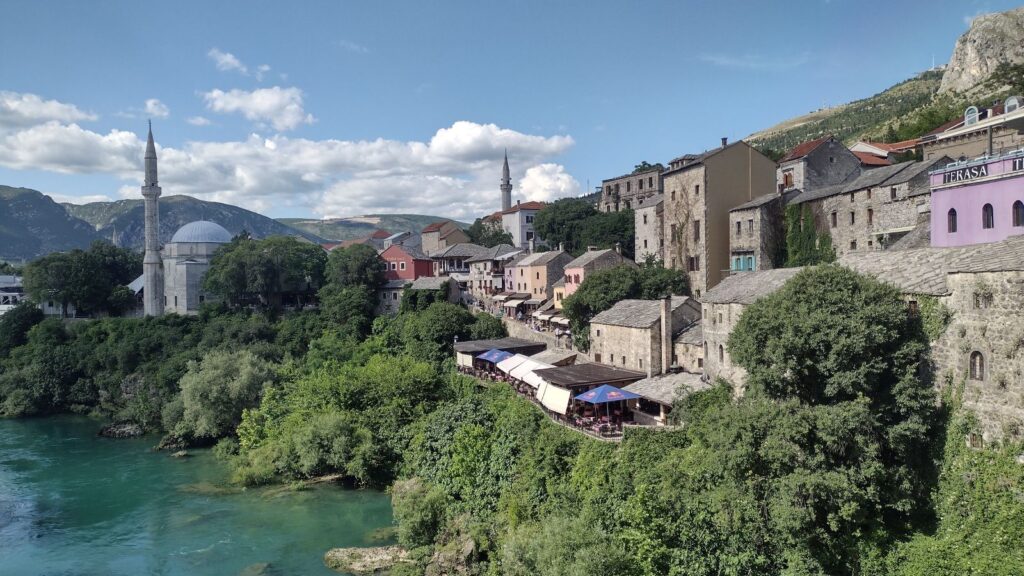
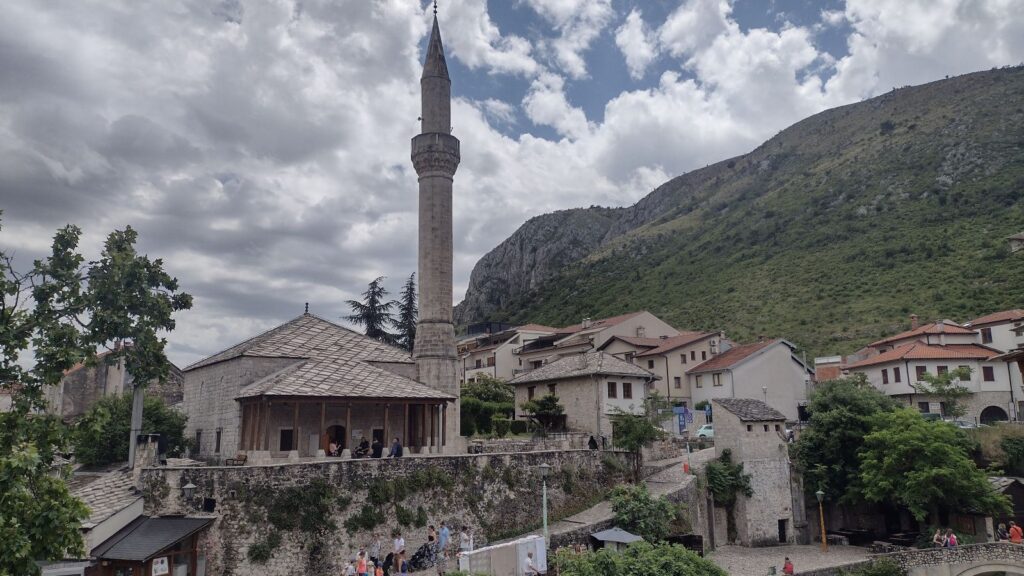
The mosques in Mostar are a stunning sight, with minarets emerging from the Old Town and all along the riverside. They show off the city’s Ottoman history, with many dating back hundreds of years. Although most have been rebuilt since the days of Yugoslavia, especially after the war.
The largest portion of mosques sits on the Eastern side of the Neretva River, where you can wander the cobbled streets and come across one every hundred meters or so. Around sunset, if you find yourself on the Eastern side near Stari Most, you’ll have a spectacular view of that side of the river.
The mosques make for a beautiful skyline along the horizon that’s reminiscent of some of Turkey’s historic towns. The sound of calls to prayer only adds to the experience.
Here are some must-see mosques around Mostar’s Old Town:
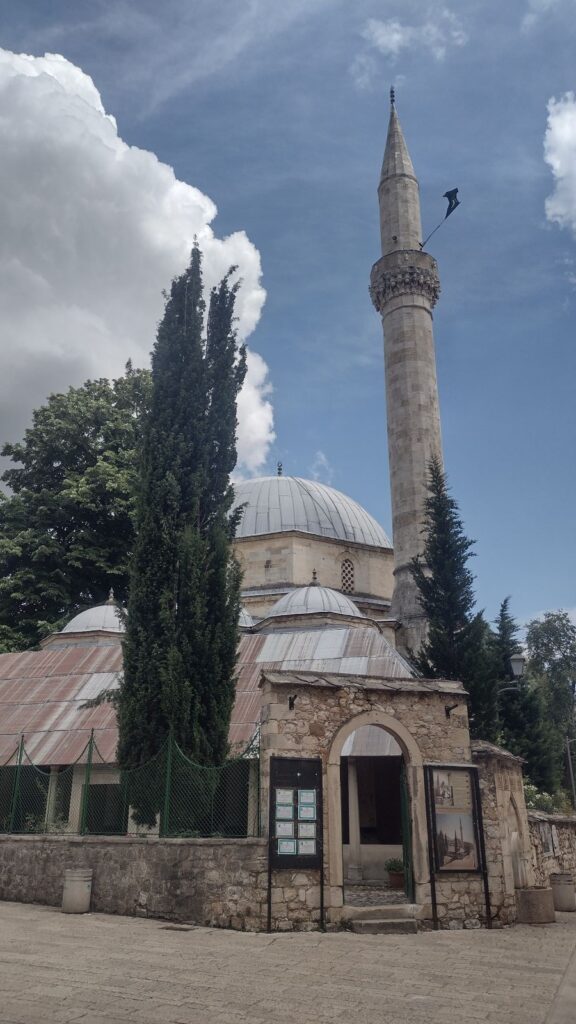
Karađoz Beg Mosque (Karađozbegova Džamija) | Built by Mehmed Karadjoz in 1557, the historic building is considered Mostar’s central mosque. It was restored in the 2000s after damage from WWII and the more recent Bosnian War. The design may come from the popular Ottoman architect Mimar Sinan, who has notable works all throughout Istanbul.
Koski Mehmed Pasha Mosque | A small, gorgeous 17th-century mosque with a colorful interior and lovely stained glass windows. Entrance into the mosque and minaret costs 15 KM, but it has a fantastic view of Mostar and the Old Bridge.
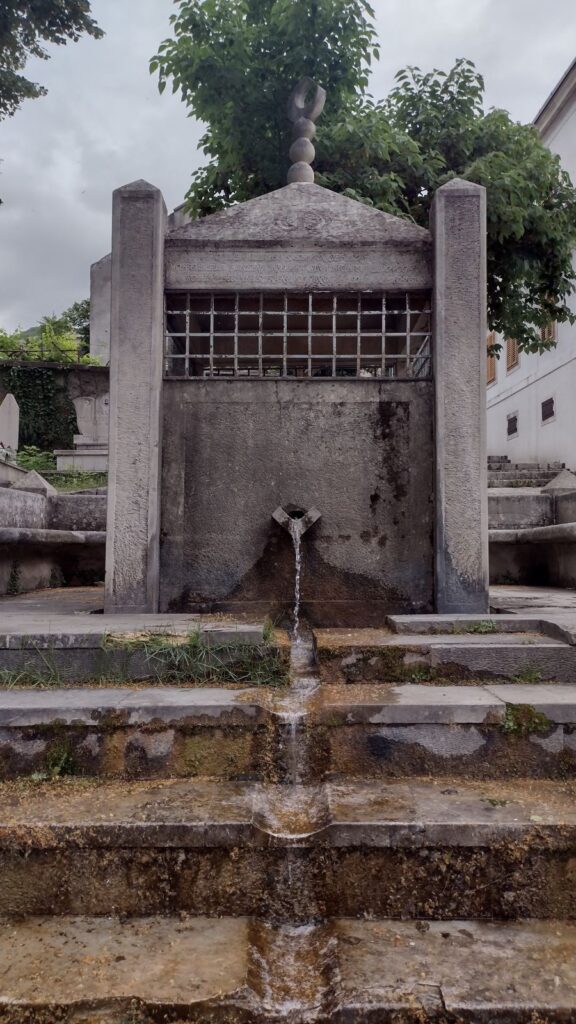
Hadži Kurtova Mosque (Tabačica) | Another smaller mosque, this one on the western side of the river. The faded blue paint of the interior walls and exterior trim makes for a striking picture.
Nezir Agina Mosque (Nezir Agina Dzamija) | Single minaret mosque that sits above the beautiful crooked bridge. There are nice views of the historic buildings by the Radobolja River.
MORE MOSQUES WORTH A VISIT
- Ćejvan-Ćehaja’s Mosque
- Nesuh Aga Vučjaković Mosque
- Ibrahim Aga Saric Mosque
- Ruznameci Ibrahim Efendi Mosque
VISIT THE CITY’S CHURCHES
While most of the prominent religious buildings in the Old Town are mosques, once you head to the outskirts, you’ll find some beautiful churches. There is a nice variety to discover, from historic old churches to modern cathedrals.
A few churches that stood out to me:
FRANCISCAN CHURCH OF MOSTAR (Franjevačka Crkva u Mostaru)
Or, ‘The Church of St.Peter and Paul’ is a 19th-century Roman Catholic church run by Franciscans. This is the most popular church to visit in town, because its church tower is the sky-high Mostar Peace Bell Tower.
Archaeological excavations found the foundation of an early Christian church on the same site where this was built. The current structure has been mostly rebuilt since the Bosnian War. Unfortunately, it was closed inside during my visit, but I enjoyed seeing the bell tower and metal door along the outside wall.
HOLY TRINITY CHURCH (Crkva Svete Trojice)
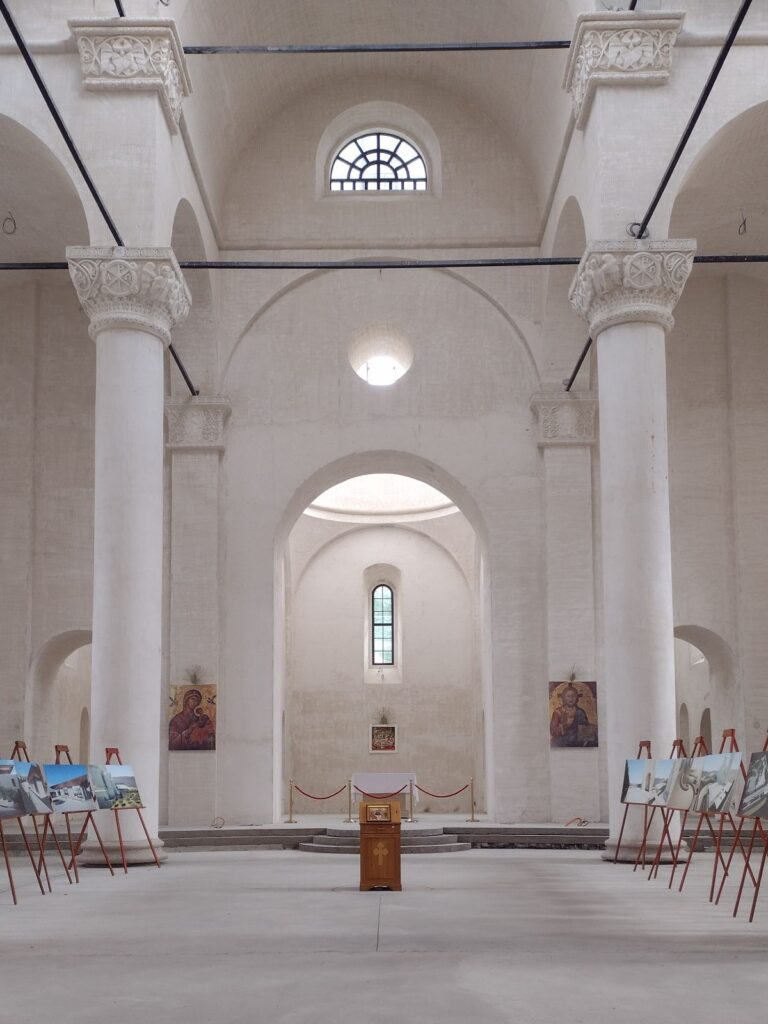
The modern Orthodox church sits at the base of Fortica Hill and has some of the best views of Mostar. It still had some construction going on when I was there, but inside was very nice and had staged photos of the construction process. It’s worth a visit, not only for the panoramas of the city, but for the Orthodox church behind it, which I mention next.
CHURCH OF THE NATIVITY OF THE THEOTOKOS
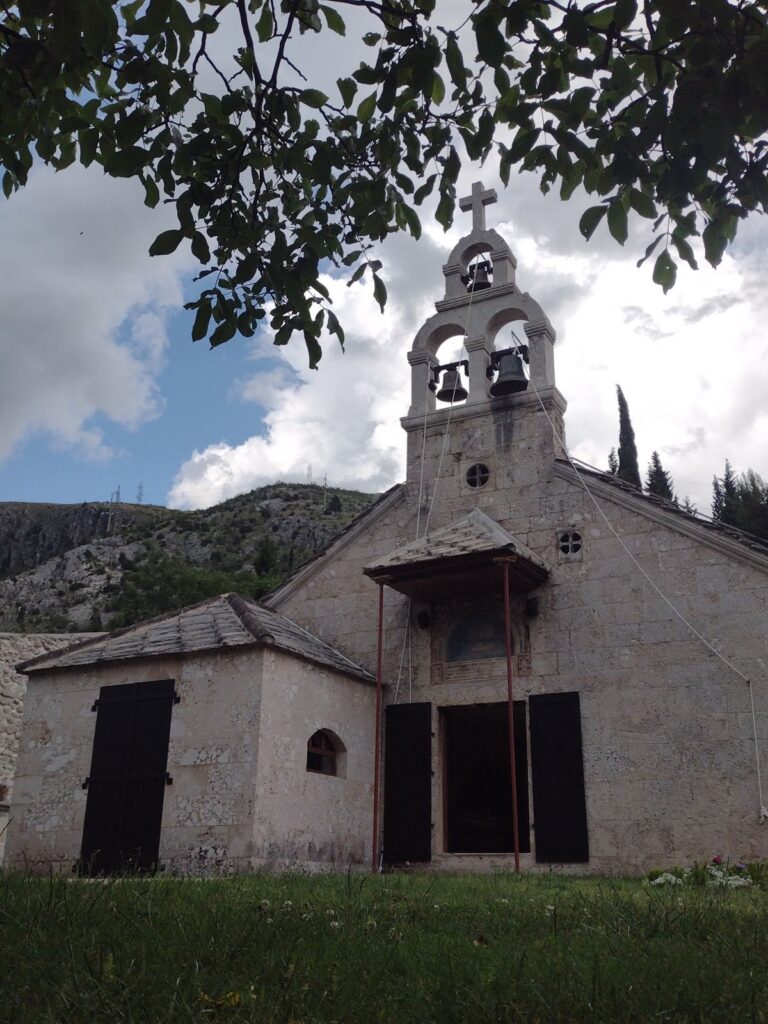
Or, the Old Orthodox Church is directly behind the Holy Trinity Church. It was built in the 15th century and, like most buildings in Mostar, was damaged during the war.
It has icons of the Virgin Mary and Saint George that were saved during the war by a local family. The courtyard and the church’s bell tower are picturesque and reminded me so much of the churches I saw in the smaller towns along the Albanian Riviera.
CATHEDRAL OF MARY, MOTHER OF THE CHURCH
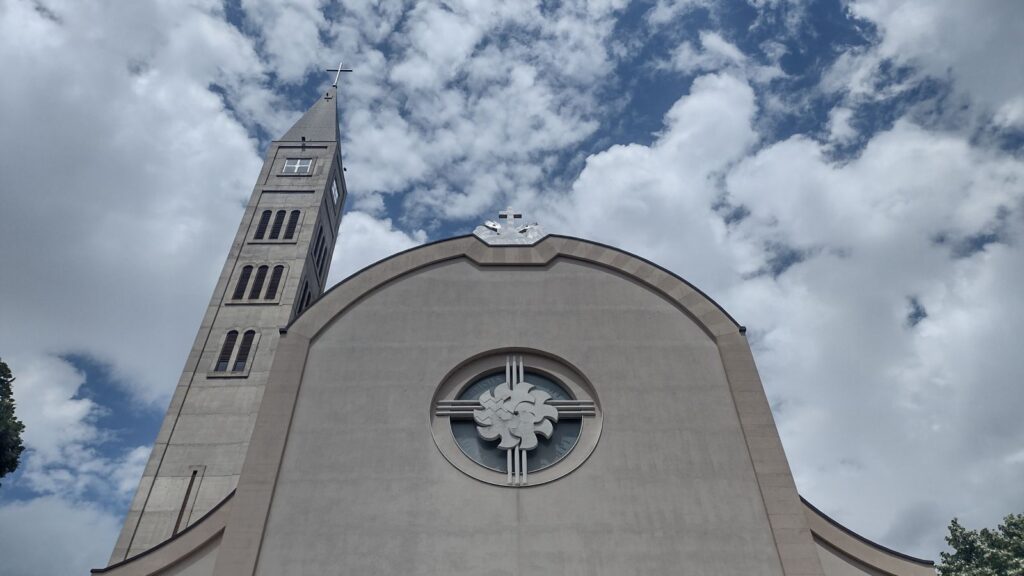
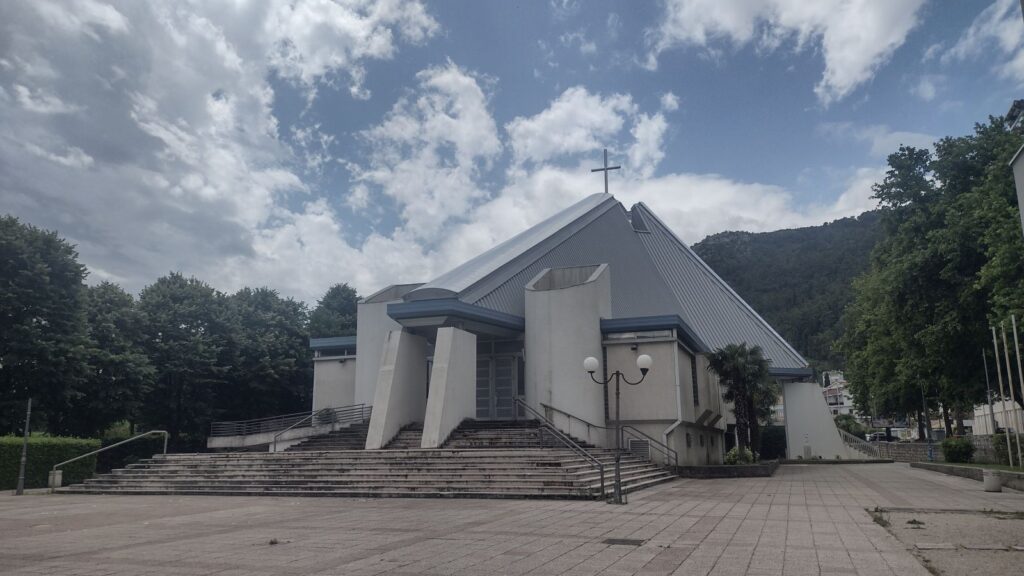
A postmodern Catholic church with a unique design and a distinct clock tower. It was built starting in the 1970s at the site of a previous cathedral and was later renovated after heavy damage from the Bosnian War.
It was closed when I visited, but the interior is supposed to have interesting mosaics and beautiful stained glass windows. It’s only a couple of minutes’ walk from the Partisan Memorial Cemetery.
MORE CHURCHES TO VISIT
- Church of Christ the Good Shepherd
- Church of St. John the Apostle and Evangelist
- Church of St. Thomas the Apostle
ADMIRE THE MOSTAR PEACE BELL TOWER
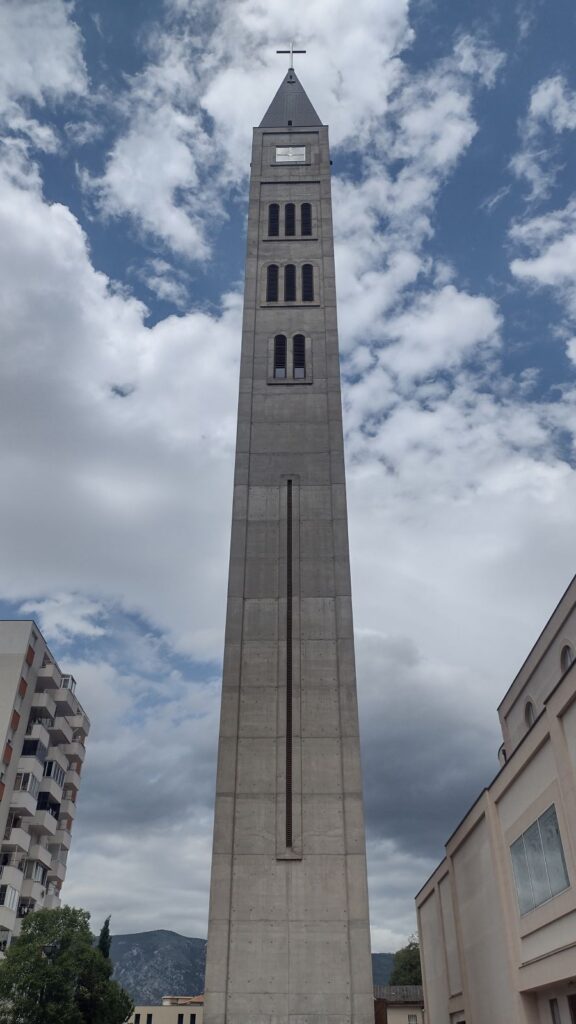
Mostar’s iconic bell tower is the same one I mentioned above when talking about the Franciscan Church of St. Peter and Paul.
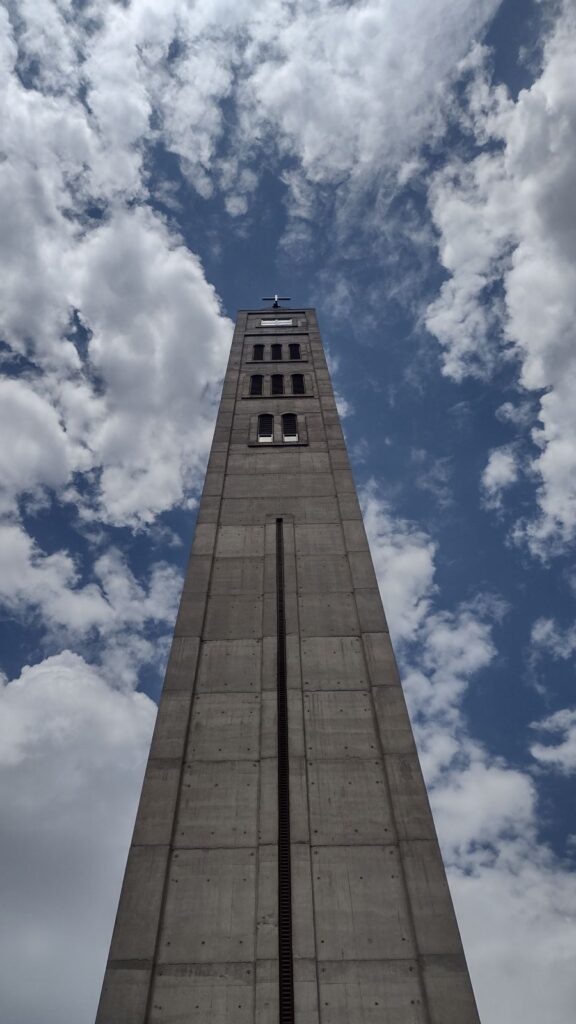
Coming in at over 107 meters high, it’s the country’s tallest bell tower and considered to have one of the best views in the city. That’s because you can pay to go around three-quarters of the way up to a viewing platform that sits 75 meters above ground. Here is where you can enjoy 360-degree panoramic views of Mostar from above. To get to the top, it’s a combined elevator ride and a short trek up stairs.
While I find some of the free viewing points, like from the Millennium Cross and Fortica Hill skywalk, to have better bird’s-eye views of the city, this is the best alternative for those without a car or hiking addiction.
It’s also quite a dizzying sight from below, as it’s a massive free-standing concrete slab that is separated from the main church. At the bottom, there is a small information sign that shares some details about the tower’s construction. This is how I found out it was rebuilt in 2000 after destruction from the war, and that the 370 steps inside were correctly labeled.
Entry Price | 6 KM
POP INTO A MUSEUM
If you’re interested in the history of Mostar, then it’s worth checking out one of the many museums in the town. The city has a fascinating, but tumultuous past that dates back many centuries and is still recovering from the more recent Bosnian War.
While I think a city tour will give you the most information about Mostar, the museums are often accompanied by pictures that will give you a visual journey through the region.
Here are some recommended museums:
Herzegovina Museum | An interesting museum with exhibits covering things like regional culture, the city during the Bosnian War, and the destruction of the famous Old Bridge.
Entry Price: €5 / 10 KM
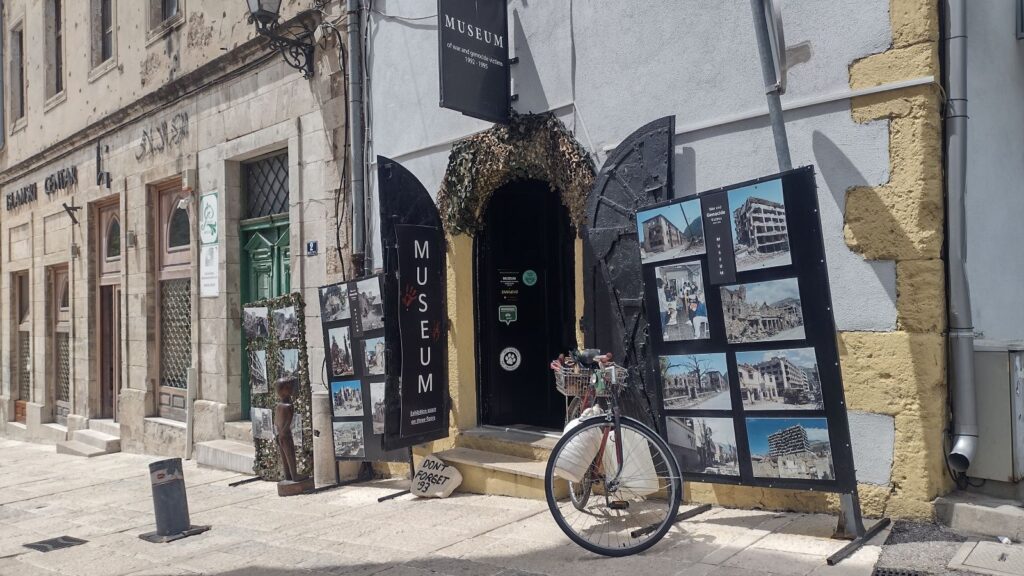
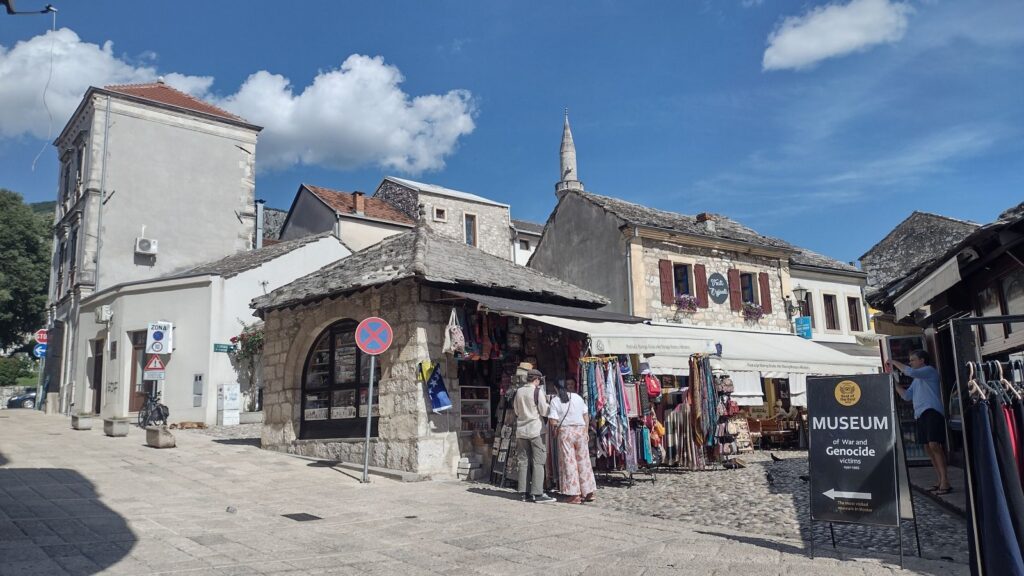
Museum of War and Genocide Victims | If you haven’t learned about the horrors of the Bosnian War during a walking tour, then I highly recommend visiting this museum. The small but informative museum shares the history of the war and subsequent genocide. It’s a very sobering experience, but something that shouldn’t be missed.
Entry Price: €5 / 10 KM
Bosnaseum | A private museum that has a lot of different artifacts from different eras. There’s an antique room, an exhibit dedicated to ethnography, old war photos, and pieces from former Yugoslavia.
Entry Price: €5 / 10 KM
The Hub Fine Arts Museum | An art museum with a beautiful collection of paintings. The focus is on modern art from the 20th century, with some spectacular compositions and pieces from renowned artists. You can check out their website for more information and hours of operation.
Entry Price: €10 / 20 KM
Biscevic House & Kajtaz House | Two old Ottoman-era houses that have been converted into visual museums. They are very similar to the house museums I visited in Gjirokaster, Albania. The entry for Kajtaz House is a bit more expensive, but they give you a tour of the residence and explain the makings of a 16th-century Turkish home.
Entry Prices: Biscevic House – €2.50 / 5 KM | Kajtaz House – €5 / 10 KM
CHECK OUT FORTICA HILL
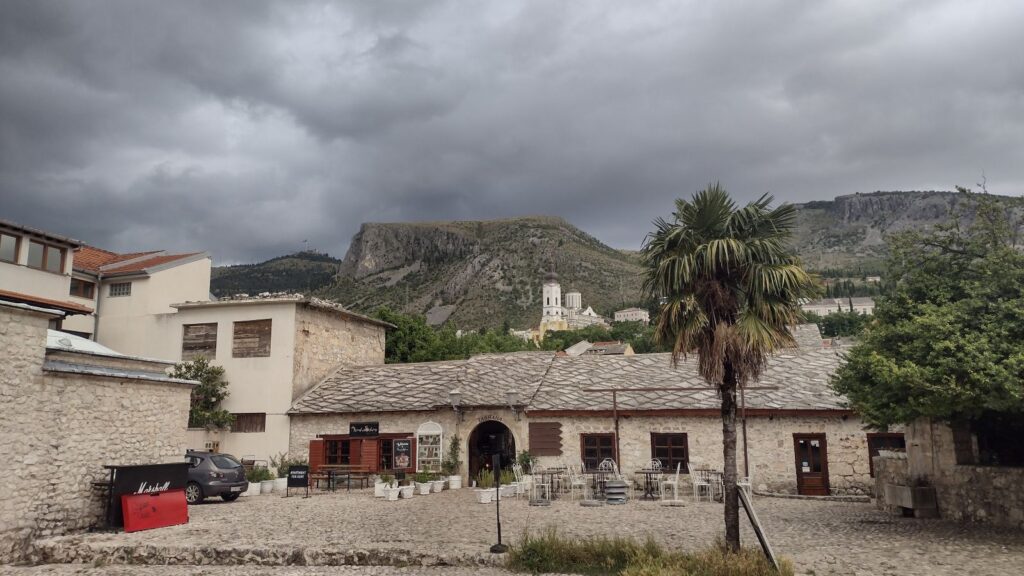
Overlooking Mostar from the east is the prominent and very noticeable Fortica Hill. If you love hiking up to beautiful viewpoints, this should be near the top of your list of things to do in Mostar.
I first came here as part of a group tour back in 2018, and while the panoramas of the city are very much the same, the hill has since added a glass bridge skywalk. I think it’s a nice touch to get more people to visit the hill and see the surrounding nature. There’s also a restaurant that, unsurprisingly, has an excellent vantage point of Mostar.
For adventure seekers, there’s a zip line and a via ferrata climbing route. For the latter, you’ll need the right equipment and a guide. I believe the zipline company offers both of these, plus a couple of other private guides and tour companies around town. The hiking is quite nice up on Fortica Hill too, with breathtaking views all around and some old ruins and abandoned bunkers to explore.
Travel Tip | If you’re planning on doing a Herzegovina tour while in Mostar, there’s a likely chance you’ll stop at Forica Hill. So, if you’re heading up for the view alone, it’s worth waiting until after a tour to see if you want to go again.
Getting There | It’s possible to hike there, and recommended if you want a bit of a workout. It’s a long, steep incline, so expect to spend up to two hours trekking to the top. Alternatively, you can drive up.
DAY TRIP TO BLAGAJ
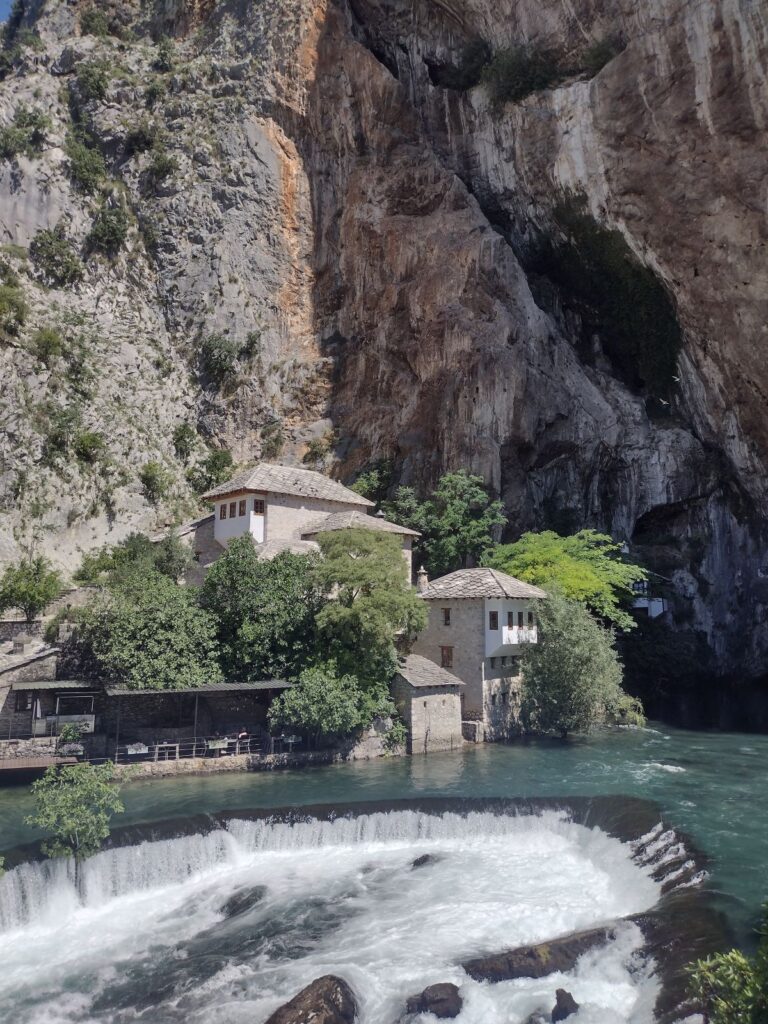
If there’s one day trip to do from Mostar, it’s Blagaj. The small, historic village is known for its famous Dervish monastery and tasty freshwater fish. Most people come here on tour, but I think it deserves a little more time, mostly to see the spectacular hilltop castle.
Here are some things to do in Mostar, if you decide to come on your own:
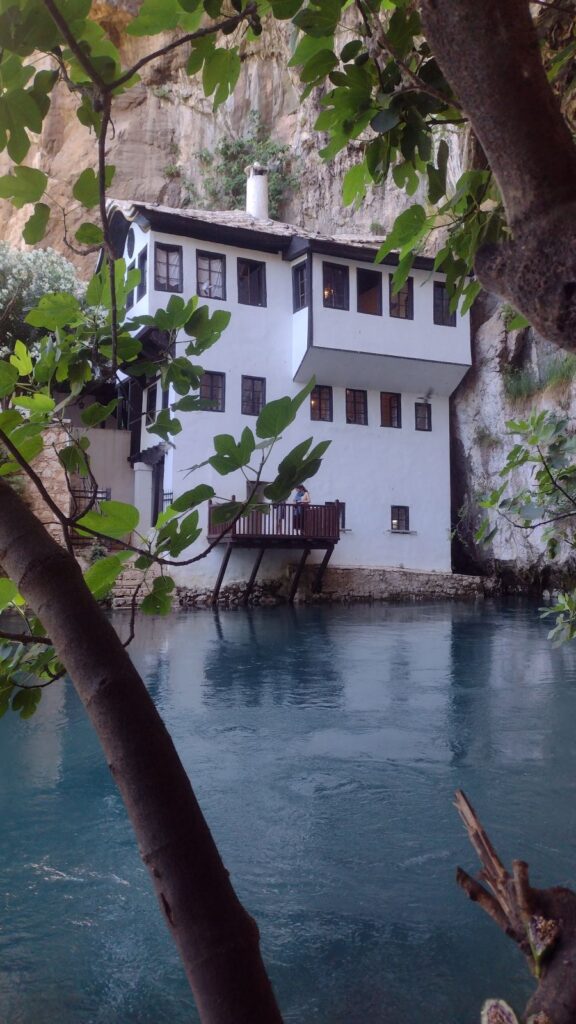
- Take in the sights of the Blagaj Tekke, the town’s beautiful Dervish monastery. It’s currently on the UNESCO tentative list and sits beside a cliffside at the beginning of the Buna River.
- Relax by the riverfront at one of the local eateries. The most popular dish here is the freshwater fish, which can be either grilled or fried and comes with a side salad or fries.
- Hike up to the gorgeous Blagaj Fortress. You’ll have stunning views of the surrounding countryside from the well-kept stone tower and connecting walls. When my partner and I were here, only two others were visiting. It felt like we had the whole place to ourselves!
- Wander around the town, stop by the souvenir shops, and check out some of the smaller churches.
Getting to Blagaj | Take bus #10 (Sjeverni Logor – Blagaj line) from in front of the United World College. The cost of a ticket is €1.05 / 2.10 KM.
For a more detailed look at Blagaj, you can take a look at my ‘Detailed Guide To Blagaj’ article.
DAY TRIP TO STOLAC
Stolac is easily one of the most overlooked places in Bosnia & Herzegovina and happens to be an easy day trip from Mostar. I hadn’t heard about the town until my second trip to the country, and luckily, the receptionist at my hotel steered me in the direction of this hidden gem.
The historic riverside city is one of the oldest and longest inhabited places in Bosnia & Herzegovina. It has charming architecture, a beautiful castle, and some cool stops to see along the river.
The top things to do in Stolac on a day trip:
- Visit the Radimlja Stećak Tombstones, a UNESCO-approved medieval graveyard that’s just a short walk away from town. Entry into the site costs 8.00 KM. Check out the municipality’s website for seasonal opening times and further information.
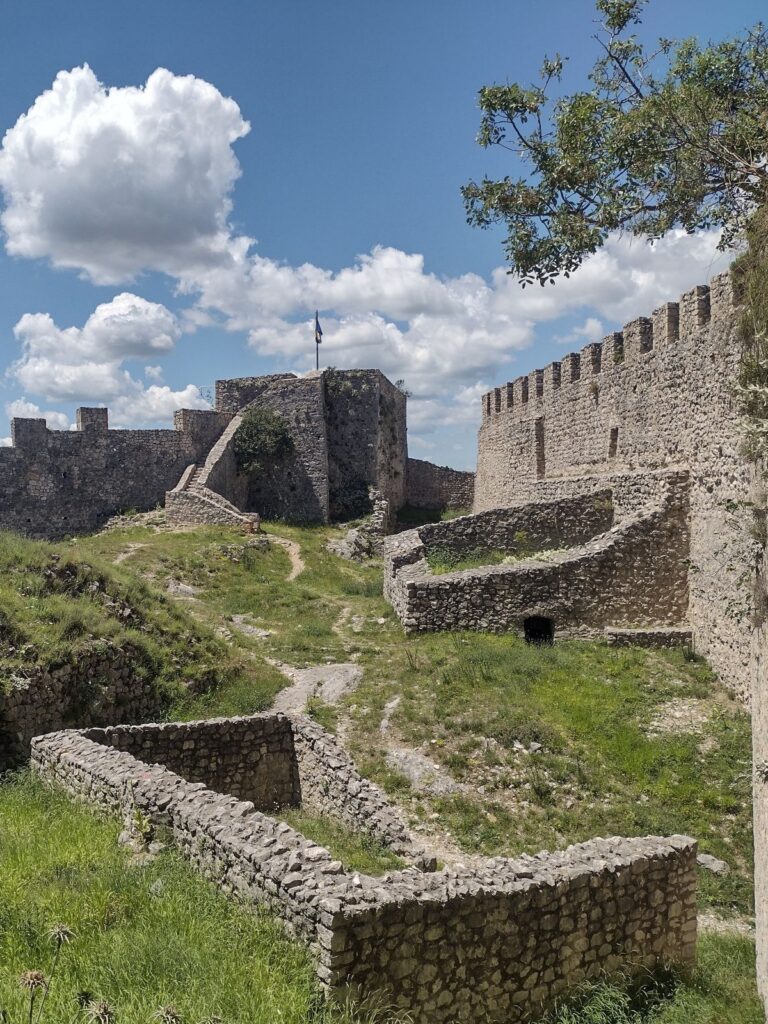
- Hike up to the Vidoški Fortress and wander around the ruined walls and buildings. You’re likely to have the small, well-preserved castle all to yourself. It’s free to enter, and the views of the town are wonderful.
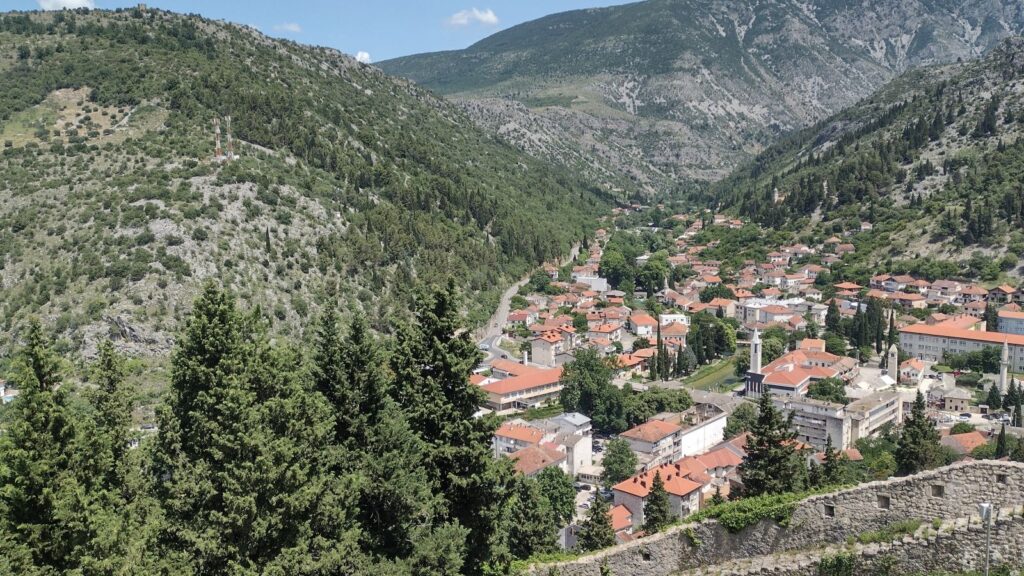
- Appreciate the beautiful painted murals on the facade of the Sultan Selim Mosque. Also known as the Čaršija Mosque, it has been slowly pieced together and reconstructed since its destruction during the Bosnian War.
- Follow the historic trail through the city and along the river to see beautiful bridges, old homes, and authentic water mills.
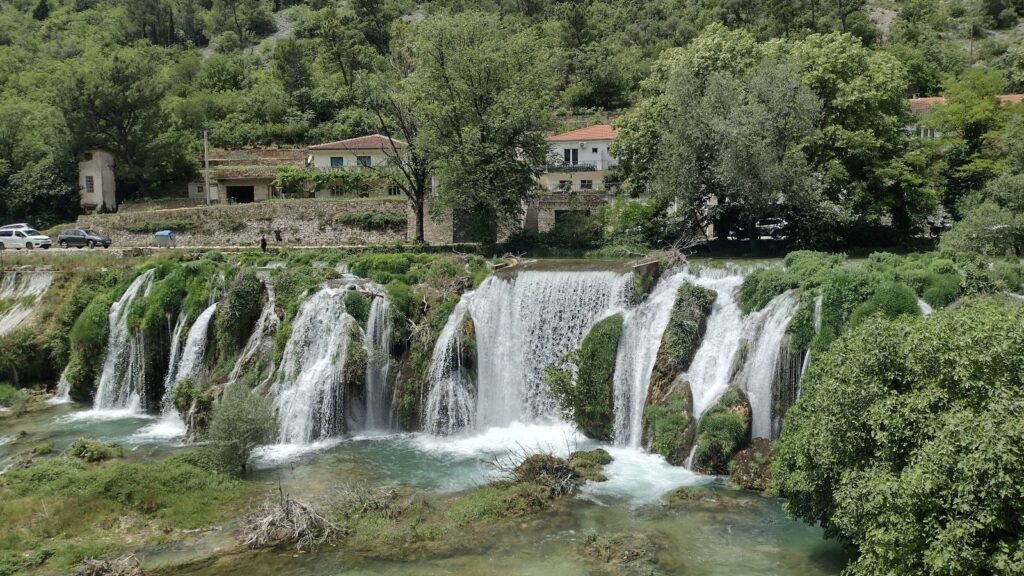
- Explore the town’s waterfalls and take a refreshing dip in the cool waters beneath them. The Provalije Waterfall is a must-see and one of the most beautiful in the country.
Getting There | Buses to Stolac leave Mostar from the East Bus Station. The ticket cost 8 KM each way when I was there. I paid at the station in Mostar and then on the bus in Stolac. To be safe, ask the bus driver on the way there where you should get on the return bus. There are buses every hour or two starting in the morning at around 6:45 am from Mostar and ending around 7:00 pm. Times change seasonally, so it’s best to check at the bus station in advance.
The station in Stolac (maps) is just an abandoned building that says ‘Busni Kolodvor Stolac’ on it, but it still functions as the drop-off and pick-up point.
MORE DAY TRIPS AROUND HERZEGOVINA + SARAJEVO
There are a ton of interesting places to see within a short drive of Mostar. While some, like the previously mentioned Stolac and Blagaj, are easily accessible by public transport, others are best done by car rental, private car hire, or guided tour.
On my first trip, I joined a typical Herzegovina tour and thoroughly enjoyed the experience. There is normally a typical route that covers Blagaj, Počitelj, Kravica Waterfall, Fortica Hill, and oftentimes another stop along the way.
In the future, I think I’ll rent a car and take my time experiencing each of these places for a bit longer. But for basic sightseeing or those of you short on time, I highly recommend one of these tours.
Here’s a basic overview of the places you can see on a Herzegovina tour:
Blagaj | The small, historic village with a Dervish monastery that I covered a couple of sections ago.
Počitelj | A tiny, mostly abandoned medieval village that now doubles as a sort of open-air museum. It’s on UNESCO’s tentative list for its well-preserved architectural ensemble, and the castle tower has lovely views of the Neretva River. Some local vendors sell delicious, refreshing handcrafted juices.
Kravica Waterfall | The breathtaking waterfall is commonly referred to as the most beautiful waterfall in the country. It’s abundantly green here, with easy access to swimming. During the summer, it’s packed with people playing in the natural pools and setting up picnics. The entrance is quite steep at €10 / 20 KM, but the best place to cool off from the sun. There are half-day tours that go specifically to the waterfalls and Počitelj.
Fortica Hill | Another place I cover in more detail above.
Buna Canals | Or, Bunski Kanal is where the Buna River converges into the Neretva. There are times when what appears to be hundreds of tiny waterfalls flow into the river in a long line. It’s considered a geomorphological phenomenon.
Žitomislići Monastery | A 16th-century church with vibrant, colorful frescoes. It has a small museum connected with some interesting religious art and artifacts.
Some tours worth looking into if you’re planning your travel in advance:
OTHER PLACES NEAR MOSTAR TO SEE
Međugorje | The town that translates to ‘between mountains’ is a common, unofficial Catholic pilgrimage site since the early 1980s when a group of local kids saw apparitions of the Virgin Mary. There’s a nice church there, and some impressive religious statues around town.
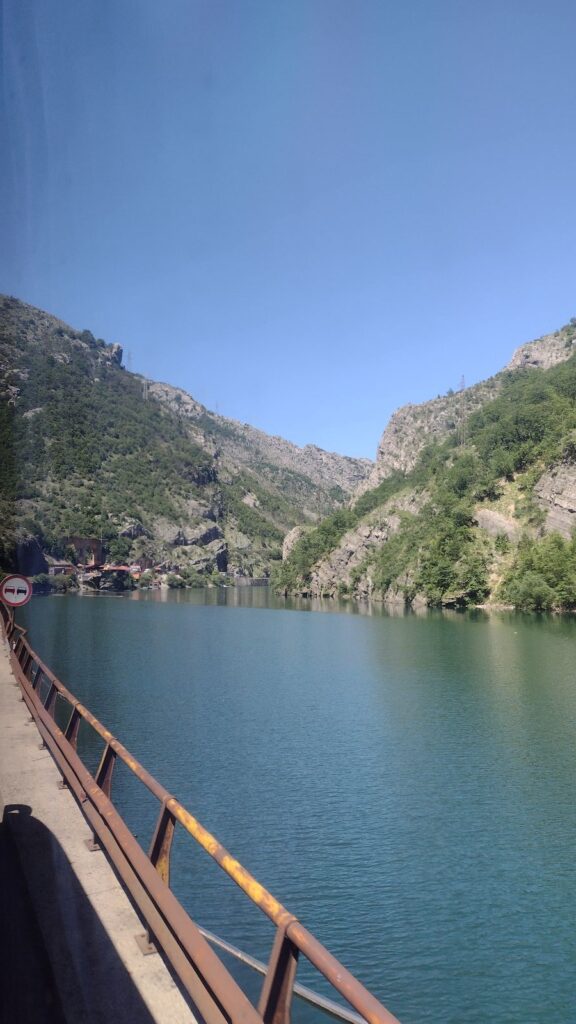
Jablanica | Known best for its fallen bridge, the town has an interesting museum that covers the Battle of Neretva during WWII. It’s also a great place for adventure seekers, with some decent hiking trails and fantastic kayaking through Neretva Canyon.
SARAJEVO AS A DAY TRIP
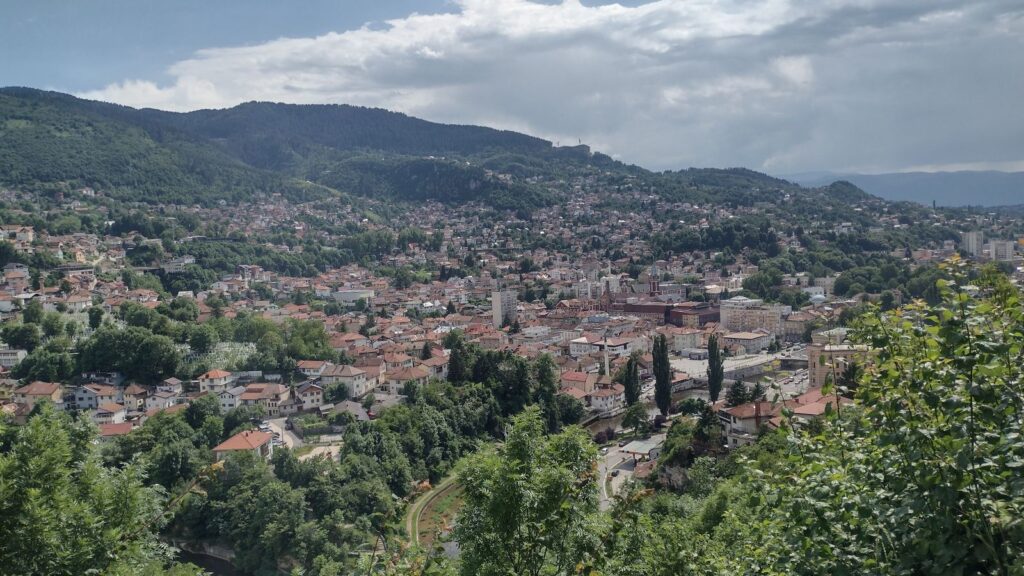
I’ll start by saying Sarajevo definitely deserves more than a single day trip. It’s a large city with tons of history, museums, and highlights. However, most of the top sights are close together, so a quick visit is doable. Plus, the train ride is beautiful and only a couple of hours long.
And, in my opinion, seeing Sarajevo even for a day is better than not seeing it at all.
If you do decide to go there, I recommend sticking to the Old Town and maybe the funicular ride up to the bobsleigh track on the mountain if you have time. A walking tour would be the best way to learn about the city’s history in a single day, and if not that, then a museum or two.
GETTING AROUND MOSTAR
Mostar itself is a very walkable city, so for the most part, you can get around on foot. In fact, most of the historic Old Town doesn’t allow vehicles, so you should be ready for a bit of trekking. However, for many of the day trips and some of the tougher to reach spots, you can expect to take a taxi or bus (or train if you’re heading to Sarajevo).
Here are the stations and stops to know around town:
Mostar East Bus Station (maps) | Also known as Mostar Istočni Kolodvor on the FlixBus website or Glavna autobuska stanica Mostar on Google Maps. This is where most buses leave from. If you’re heading to Croatia, other parts of Bosnia & Herzegovina, or other Balkan countries, it will most likely go from here. The bus to Stolac leaves from here as well.
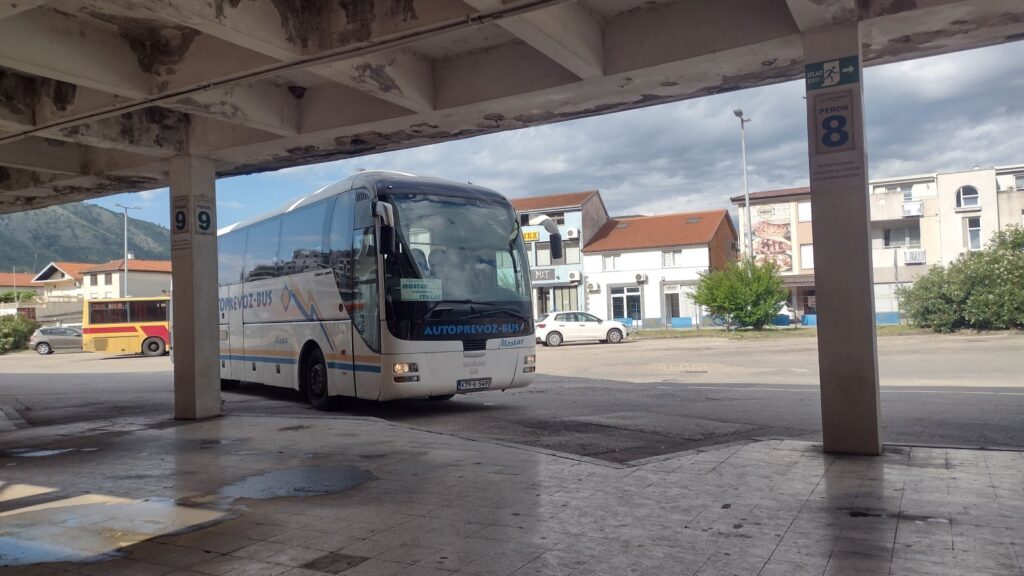
Mostar West Bus Station (maps) | Also known as Mostar Zapadni kolodvor on the FlixBus website or Autobuska stanica Mostar Zapad on Google Maps. Sometimes buses leave from here or stop by after leaving the Eastern Bus Station. If you’re staying on the Western side of the river, it’s sometimes worth grabbing the bus from here for convenience.
Bus Stop by United World College (maps) | This is where you can catch the bus to Blagaj. There are other spots around town you can do so as well, but this had a map and times for the different Mostar routes when I was there. It’s also the spot my hotel recommended to wait for the bus.
Mostar Train Station (maps) | If you’re heading to Sarajevo on the train, this is where you’ll go. Tickets are sold the same day from the station, and the sellers are very leisurely about it. If the line is going slowly and you think you’re going to miss the train, it probably just means that the train is leaving late.
WHERE TO STAY IN MOSTAR
Hostel Miran Mostar & Taso’s House | Two hostels that belong to the I Travel Balkans Group, which I’ve mentioned in previous guides. The first time I stayed in Mostar, I was at Hostel Miran and really enjoyed it. I’ve met the owners of each of these hostels, and they both absolutely love what they do and are excited that travelers get to see their hometown.
Vila Zahumka | Great for those looking for an apartment. It’s close to Park Zrinjevac, so still close to all the sights but away from the chaos of Old Town.
Aurelia Rooms | A nice mid-range option with a wonderful host and central location.
Villa Cardak | A well-located higher-end villa that’s near Stari Most. It’s essentially modern amenities in the heart of the Old Town.
For more options, check here.