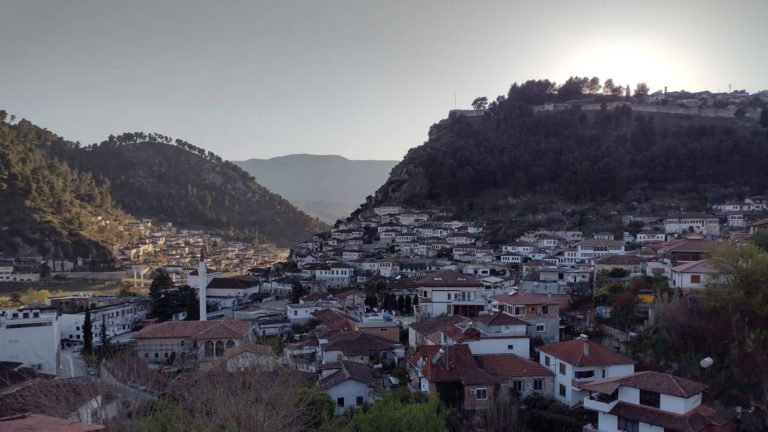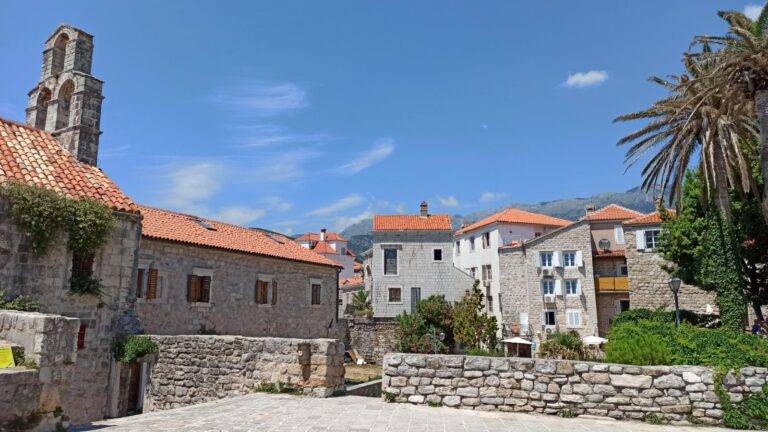

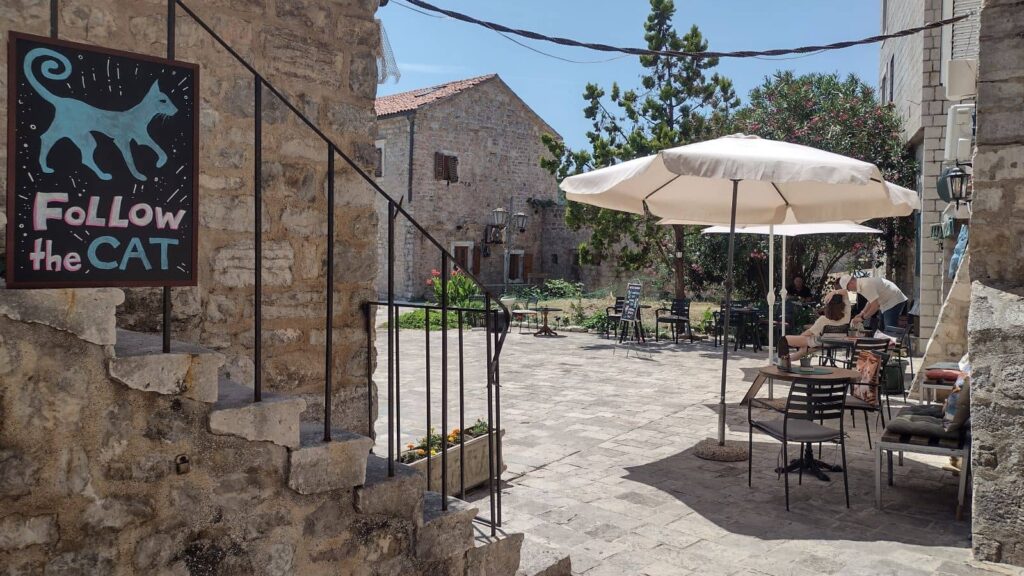
The Budva Old Town is a spectacularly beautiful fortified area on the coast of Montenegro. Its slender streets and restored buildings highlight the Venetian influence of the region.
The heart of a bustling resort town, Budva’s Old Town is a fusion of modern European charisma and old-world charm. The distinctive Mediterranean architecture and maze of cobblestone streets make it one of the most alluring areas in Montenegro.
With an intriguing past and stunning sights, it will have you walking around in awe for hours. The walled-off peninsula that makes up the Stari Grad (old town) is the perfect place to add to a tour of the Balkans.
THE HISTORICAL SIGNIFICANCE OF THE BUDVA OLD TOWN
Budva goes all the way back to ancient times. There are historical references that place its birth somewhere in the 5th century BC, making it one of the oldest settlements on the Adriatic Sea.
Like most of the region, the old town went through the typical Greek colonization followed by an absorption into the Roman Empire. Later on, it became a part of the Byzantine Empire and had its fair share of occupants soon after. The Slavs, Avars, and Saracens all played a part in Budva’s story during these turbulent days.
However, it wasn’t until the Venetians came in the Late Middle Ages that it developed the picturesque present-day look. Similar to Kotor, the Budva Old Town has the iconic fortified walls that the Venetian Empire is famous for.
Don’t expect a neighborhood falling apart from years of use, though. It’s been hit by devastating earthquakes multiple times (most recently in 1979), so the majority of the buildings have been restored.
WALKING THROUGH THE NARROW STREETS
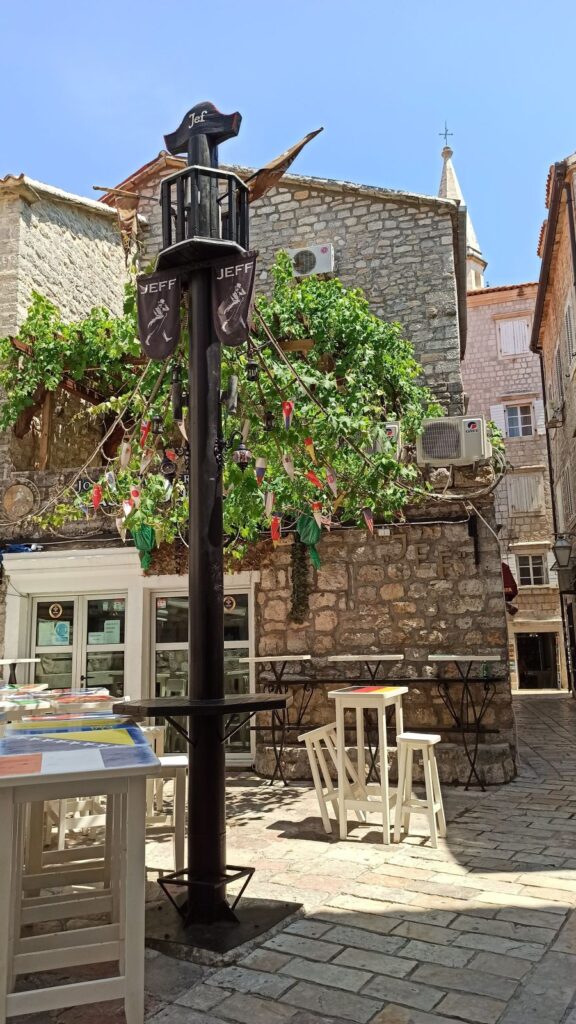
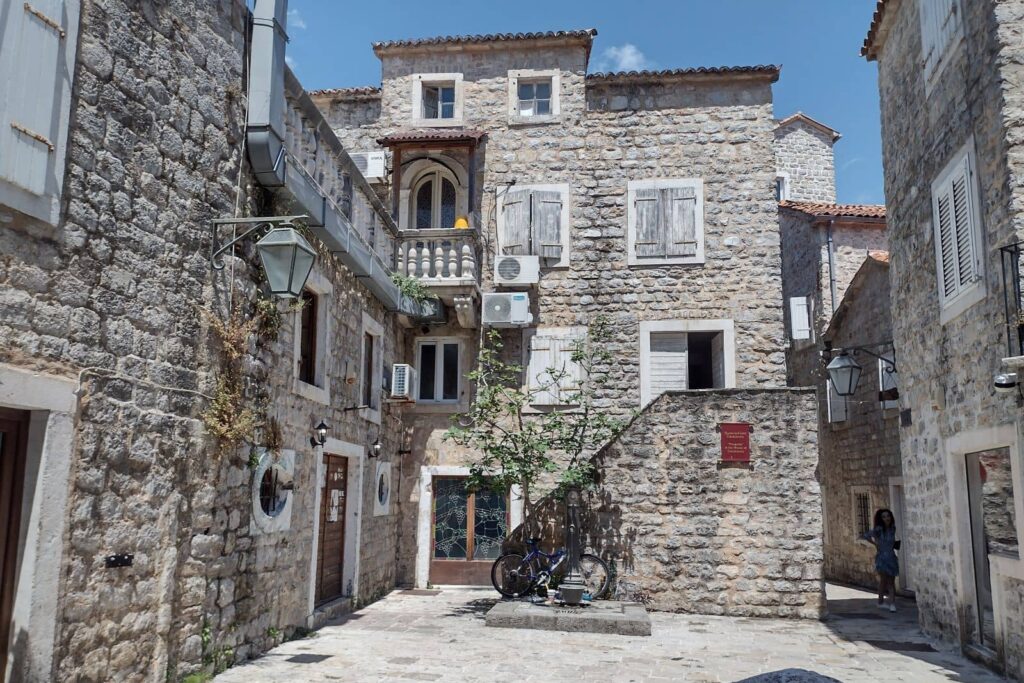
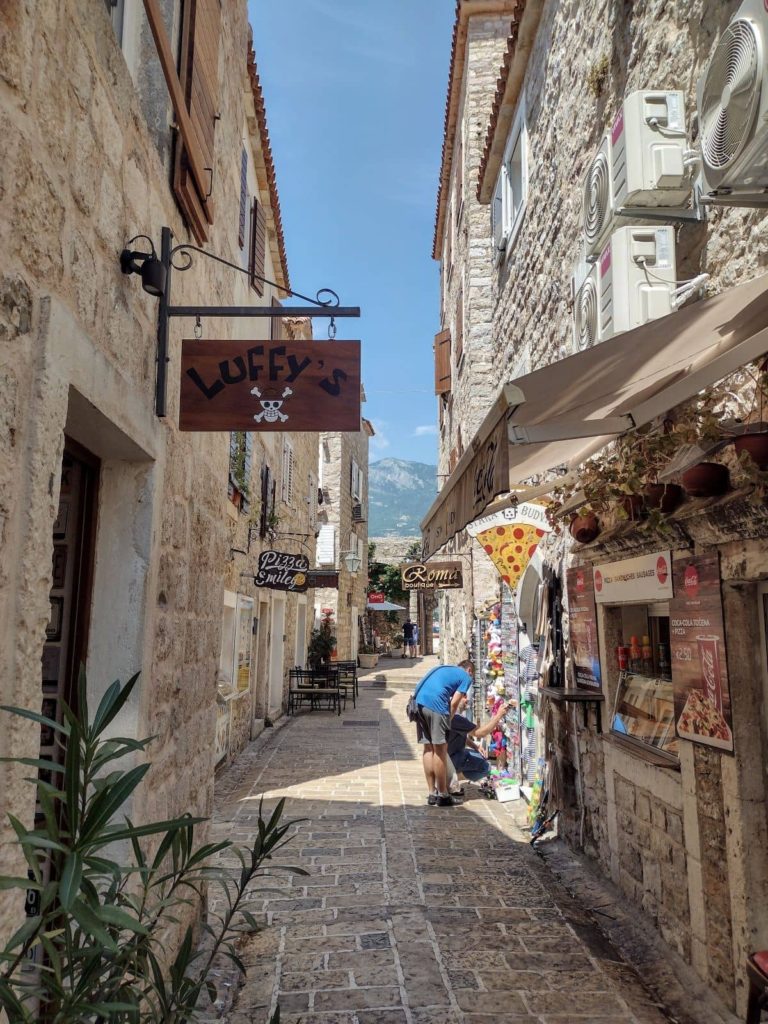
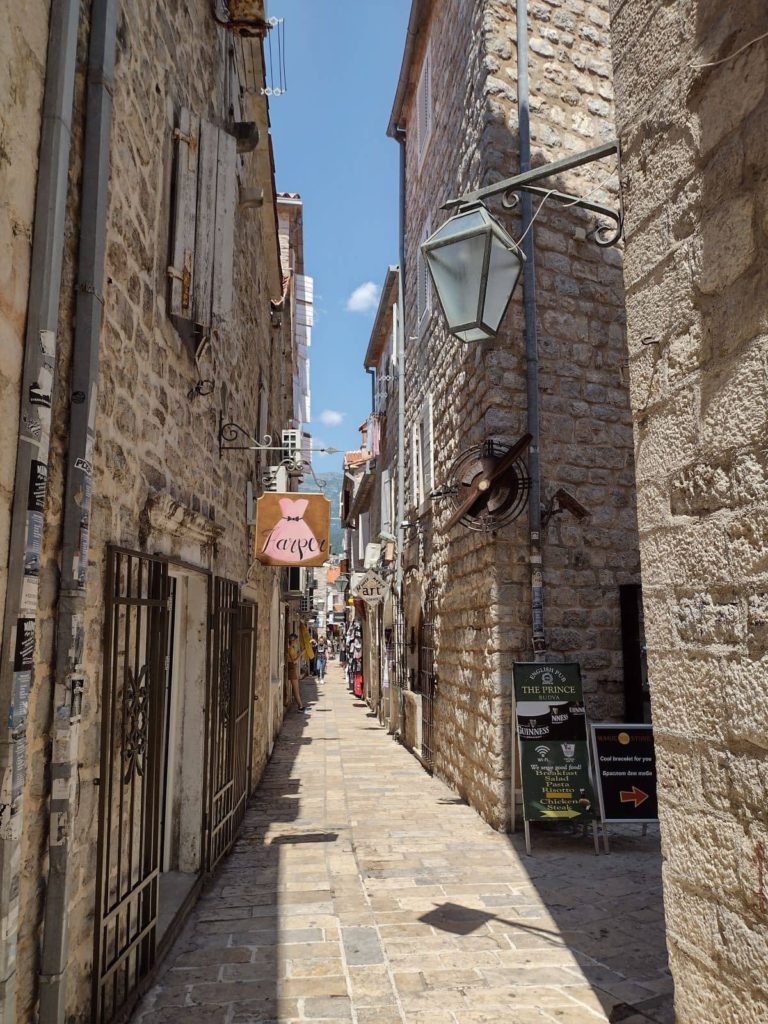
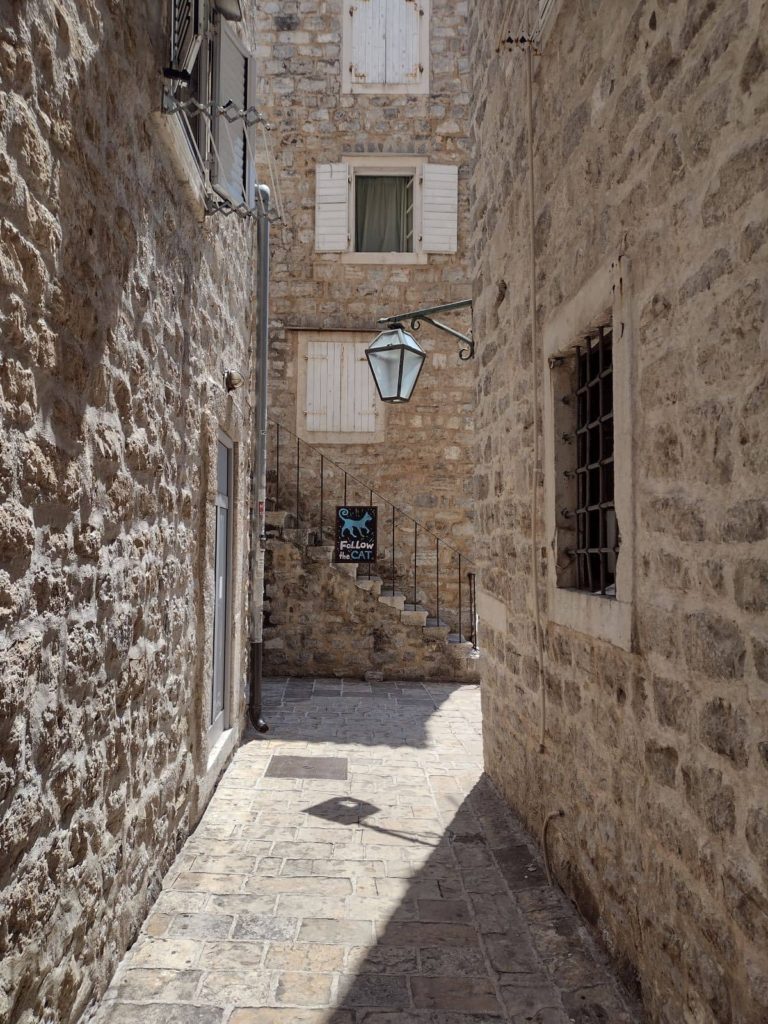
The first thing you’ll notice upon entering the massive walled town is its long, narrow alleyways. Lined with colorful doors, they add a magical, fantasy movie contrast to Budva’s beach town vibes.
Watch out, though, getting lost in the seemingly endless labyrinth of streets is easy. However, if you’re into wandering around to find new places, this will be right up your alley (pun intended)!
There are all kinds of souvenir shops, cafes, and clothes stands waiting to be discovered. In the summer, you’ll duck under the shaded overhangs and into cooled interiors for some much-needed relief from the sun.
Keep an eye out for special events in the neighborhood, too; unique festivals and artist exhibitions are constantly being held within the walls. You’re also bound to run into, or at least hear, local musicians, filling the air with cheerful melodies.
WHAT THE OLD TOWN HAS TO OFFER
Besides the modern-day attractions the Budva Old Town is now known for, there are notable landmarks to explore.
Citadela Budva
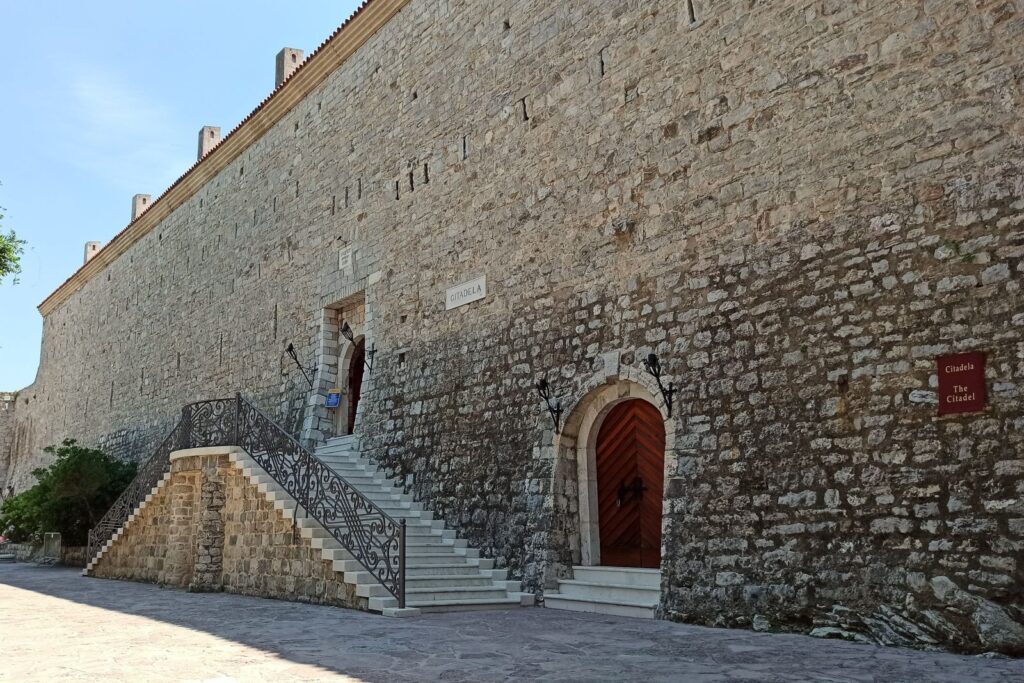
The most popular of the sights is the beautiful Citadela Budva. Once a fortress to hide people from attacks, it now houses a museum and a small historical library.
You’ll find incredible views of the coastline and the Adriatic Sea from here. Inside is also the ruins of an old church called the Church of St. Maria de Castello. Although there isn’t much to see of it anymore.
Citadel Entry Price | To go inside and see the library, museum, and church costs €5.50.
Budva Old Town Squares
There are three main squares within the zig-zagging roads of the old town.
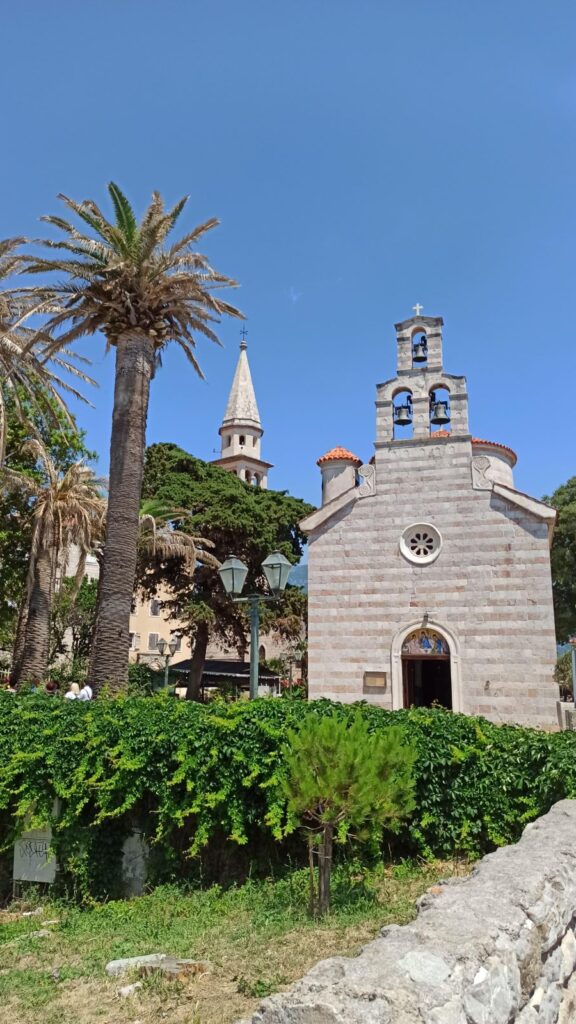
The Square of Churches | This is the main, wide-open square connecting all the Old Town’s churches. There are four churches here, which I’ll cover in more detail in the next section. You’ll also find the tomb of the famous Serbian writer Stefan Mitrov Ljubiša. The churches are as follows:
- The Church of Saint John the Baptist
- Holy Trinity Church
- Church of Santa Maria in Punta
- Church of St. Sabbas the Sanctified
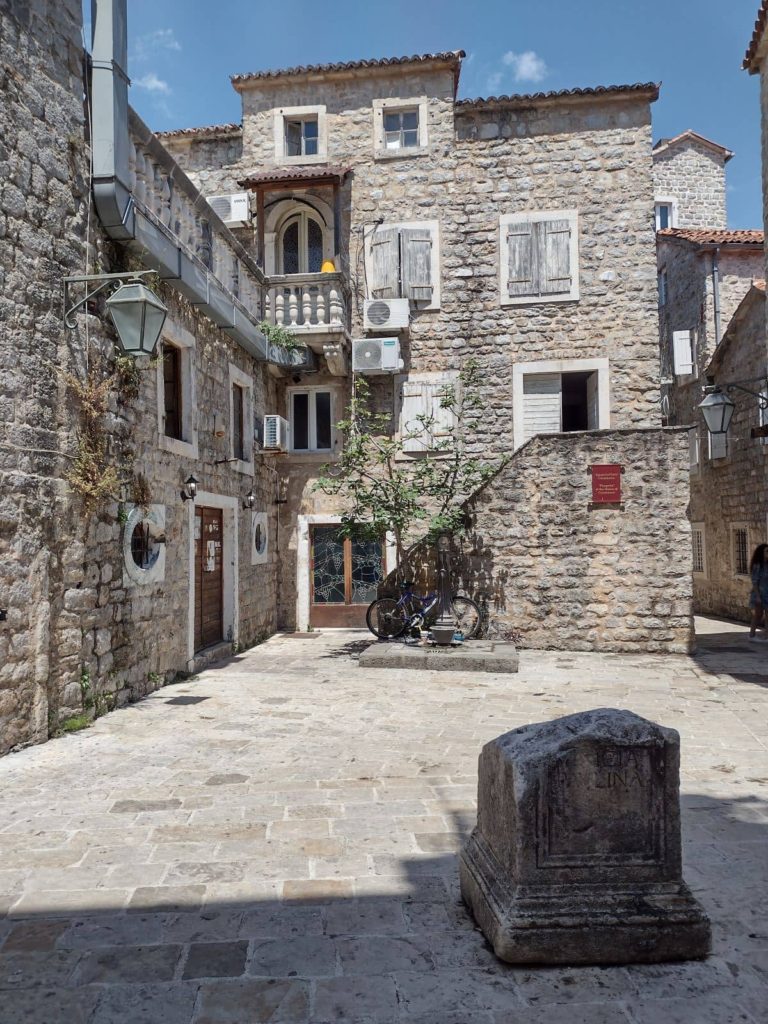
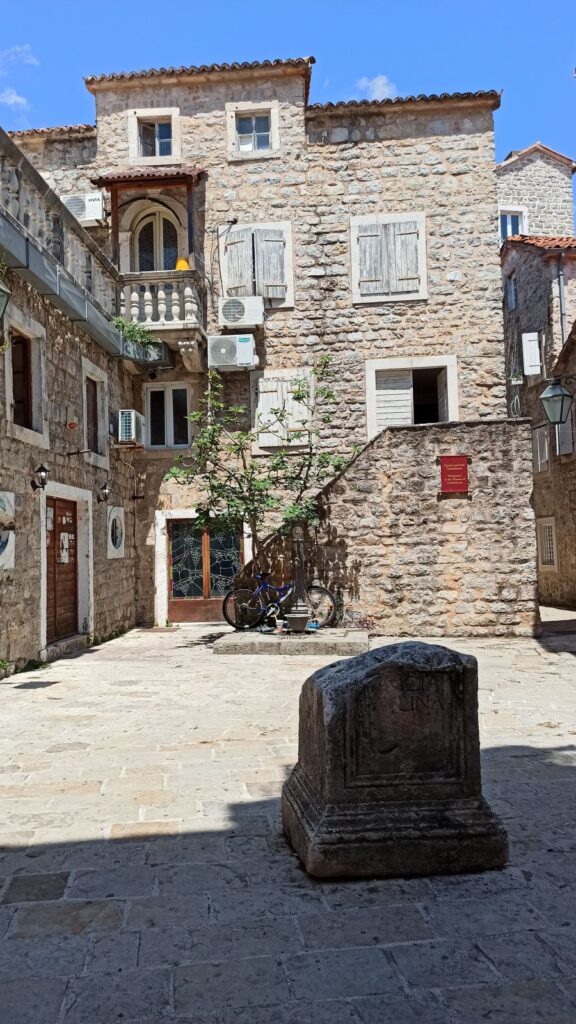
Square of Poets | A small, lovely square that occasionally has musicians playing in it. There are a few large pieces from ruins here, but that’s about all. Down the alleyway is Luffy’s souvenir shop, which is pretty fun to pop into if you’re a fan of the pirate-themed anime One Piece.
Square of Palms | Aptly named for its lovely palm trees and shaded gazebo.
“Piazzetta” at the House of Čekrdekovič | The small square is home to a Roman altar from the 1st century.
Budva City Museum
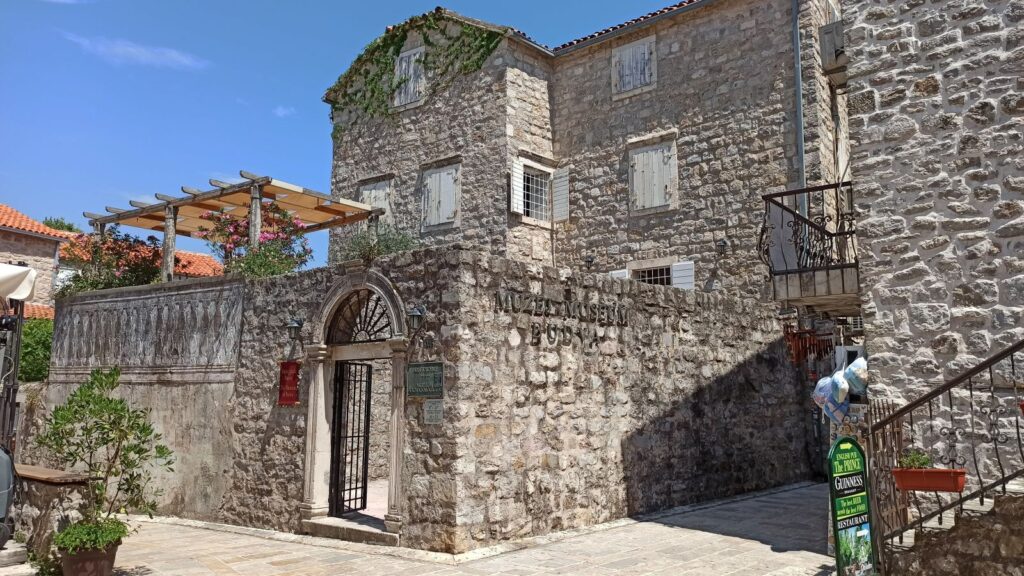
Besides hiring a tour guide, the Budva City Museum is probably the best source of historical information in town. It’s a small museum, but I much prefer it to the Citadela Budva for its more detailed approach.
It’s three stories high and covers some interesting things, like the city’s ancient and more modern history. You’ll see a few nice archaeological finds, some maritime weaponry, and a pretty mural from antiquity.
Museum Entry Price | €3.
More To See In Budva Old Town
The Gates to Old Town | The Main Gate / Iron Gate / Pizanela Gate / Gate to the Sea
Jovo Ivanovic Modern Gallery | A lovely free gallery that houses contemporary art from local and regional artists.
Stefan Mitrov Ljubiša Museum | A small museum dedicated to the Serbian writer. You’ll need to know the local language to appreciate it.
Beaches | Two beaches, Plaža Ričardova Glava and Pizana Beach, can be accessed from the gate of Budva Old Town.
WHERE TO STAY IN BUDVA OLD TOWN
Social Hostel | Montenegro Backpackers Home Budva
Apartments | R Club Apartments Old Town Budva
Studios | Casa Di Mino Old Town
Where to Eat in Budva Old Town
There are a ton of restaurants to filter through in Budva, including fast-food and sit-downs. Here are some I think stand out:
Restoran Mlin | A cute, cozy restaurant that is best known for its seafood dishes. The prices are on the higher side, but it’s quality food and service with some fresh catches like swordfish, grilled octopus, and tuna carpaccio.
Le Petit Paris Café Budva | A French-style cafe with decent coffee and snacks, plus a friendly owner.
Pera, Focaccia & Resto-Bar | Honestly, it’s hard to beat their sandwiches for lunch. Freshly baked focaccia and fresh ingredients.
Cafe Beatrice | A nice little breakfast and brunch joint, with some wonderful Turkish dishes like manti and sucuk.
Fluffy Pancakes Budva | The little pancakes are indeed fluffy, and they make for a nice dessert.