
As the first or last stop for most travelers crossing the Thailand-Malaysia border by train, Hat Yai is often seen as the gateway to southern Thailand. It’s a place with tons of character that blends various cultures together while staying authentically Thai.
Despite being centrally located within the Songkhla province, it still has that border town feel. By this I mean you’ll find an influx of Malaysian tourists on the weekends, wonderful halal restaurants, and an abundance of good Malay and Chinese food throughout the city. There’s also plenty of budget-friendly shopping for snacks and home goods.
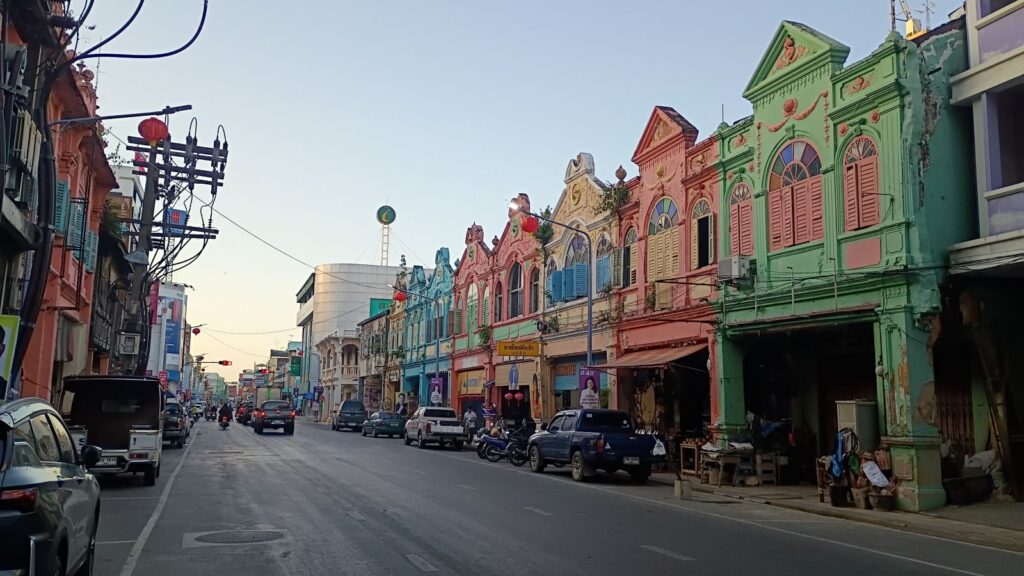
I’ve visited Hat Yai a couple of times now, once on a longer trip to explore the cuisine and visit the seaside, and the other as a pit-stop before crossing the border. I consider it one of the most underrated cities in Thailand, especially considering its vibrant night markets, retro architecture, and lively street art scene.
It also deserves more than the single overnight stay most travelers give it!
In this Hat Yai guide, I’ll go over some of the city’s top highlights, including tips on where to grab food, the markets worth visiting, and how to best explore the coastal part of Songkhla province. I also mention where to stay, how to get around, and share a quick summary of crossing the border into Malaysia.
These are the best things to do in Hat Yai, Thailand.
Stop By Wat Chue Chang
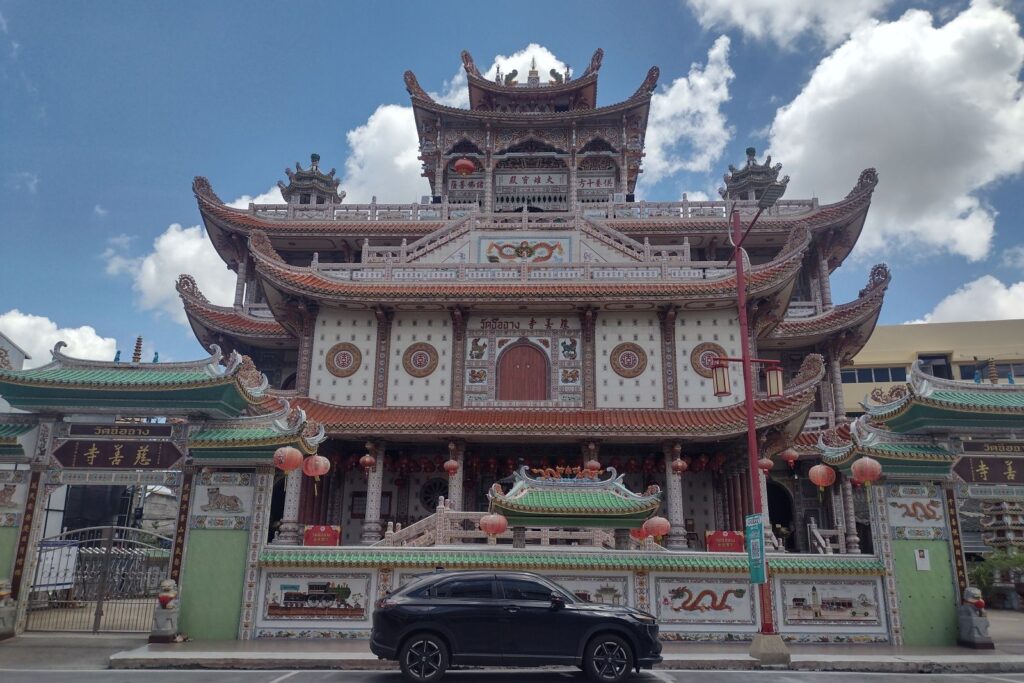
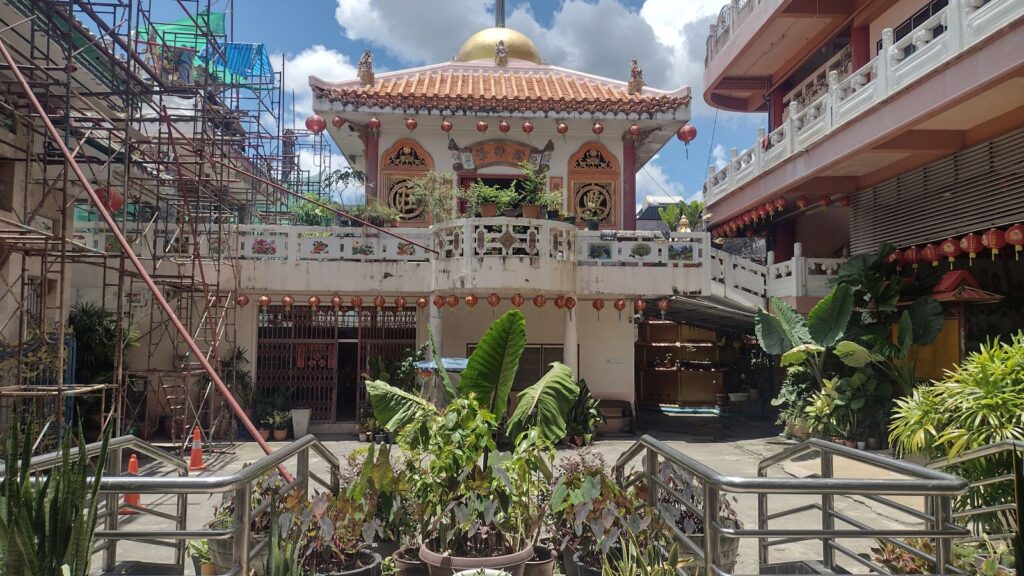
If I had to recommend one temple to visit in Hat Yai, it would be the striking Wat Chue Chang.
It’s not only conveniently located within the city’s Old Town, but also incomparable to any other wat I’ve been to in Thailand. That’s because of its unique, artistic blend of the Thai, Chinese, and Tibetan cultures.
And I think the latter two are very apparent when you first lay eyes on it. The wat is four stories high, with a white tile exterior accented in reds, golds, and greens. Chinese characters and deities are also displayed throughout, and the eaves have that iconic upward-curving style of traditional East Asian roofing.
The interior is just as spectacular, with design that matches the exterior. Golden Buddhas sit in the main shrine room, and the atmosphere is a very peaceful one.
While it doesn’t take too long to walk around the complex, the craftsmanship is so impressive that I spent an hour or so checking out all the pictures on the tiles.
See More Of Hat Yai’s Temples
Hat Yai, much like the rest of Thailand, is filled with different religious buildings. Most of these are Buddhist wats, but since the city sits in the south, you’ll also find a handful of mosques scattered around town.
While Wat Chue Chang is one of my favorite temples in this region, there are still several others you can visit. Here are the ones I think are worth seeing:
Wat Hat Yai Nai | Better known as Mahattamangkalaram Temple, is a massive temple complex in the western part of the city. It’s famous for a magnificent reclining Buddha that lies underneath an open-air wat. This Buddha is one of the largest of its kind in Thailand.
Masjid Sahe Pakistan | The ‘Pakistan Mosque’ is a beautiful two-minaret mosque that was established in the 1930s by Pakistani immigrants. It’s been renovated since then, and is easy enough to get to, as it’s only a few blocks away from the train station.
Wat Khok Saman Khun | A beautiful old temple with intricately detailed architecture, nice artwork, and some unique sculptures. The interior is as mesmerizing as the exterior, and reminds me a bit of Wat Srichum in Lampang. There’s a mandatory 60 THB donation for foreigners.
EVEN MORE TEMPLES
- Wat Thawararam
- Wat Khlong Rian
- Hat Yai Thung Sia Tang Foundation
Visit The Khlong Hae Floating Market
The most memorable part of Hat Yai for me is definitely the markets, especially the night markets. You could visit a different one for each day of the week and still not get tired, because each one has its own personality.
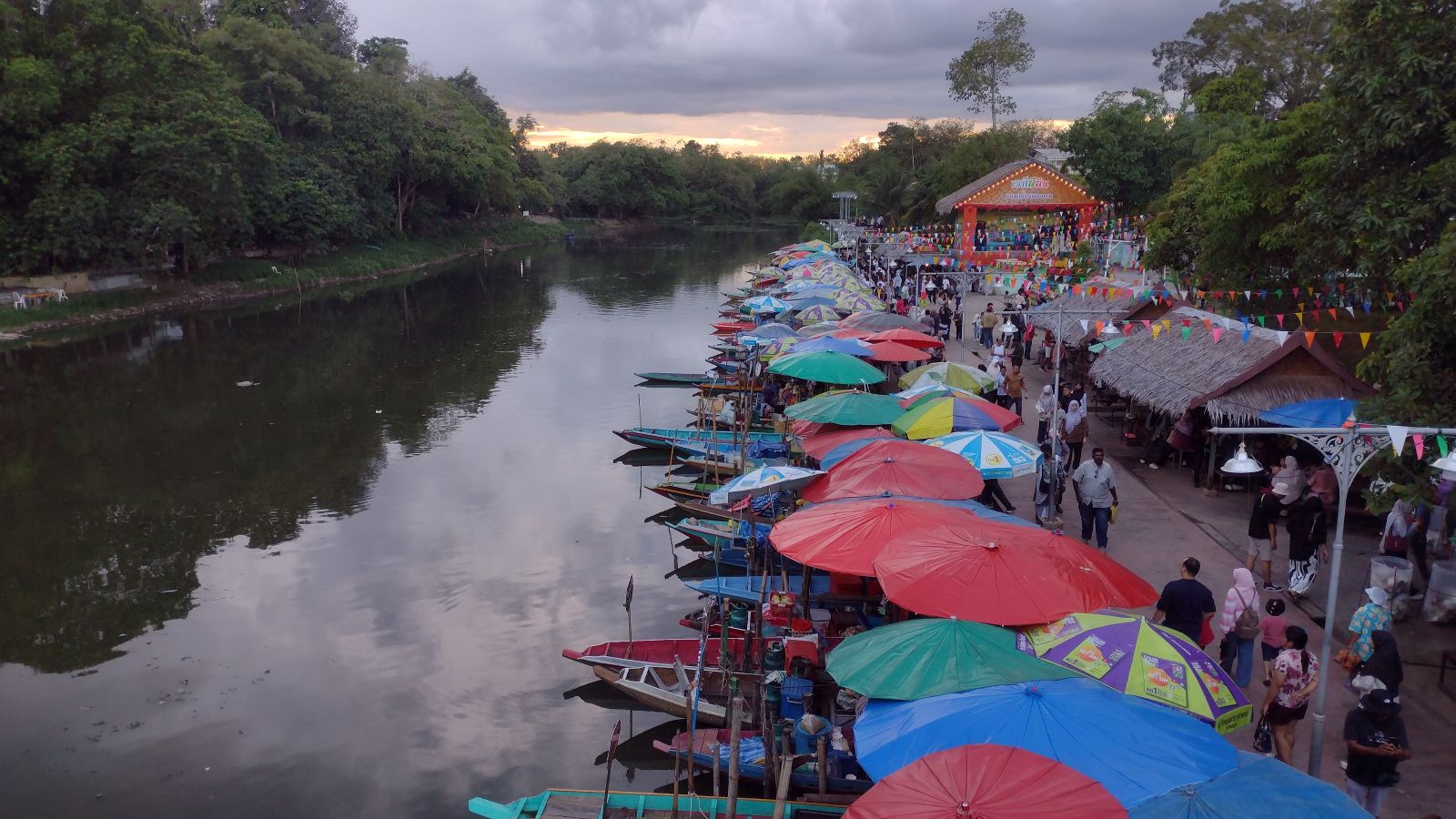
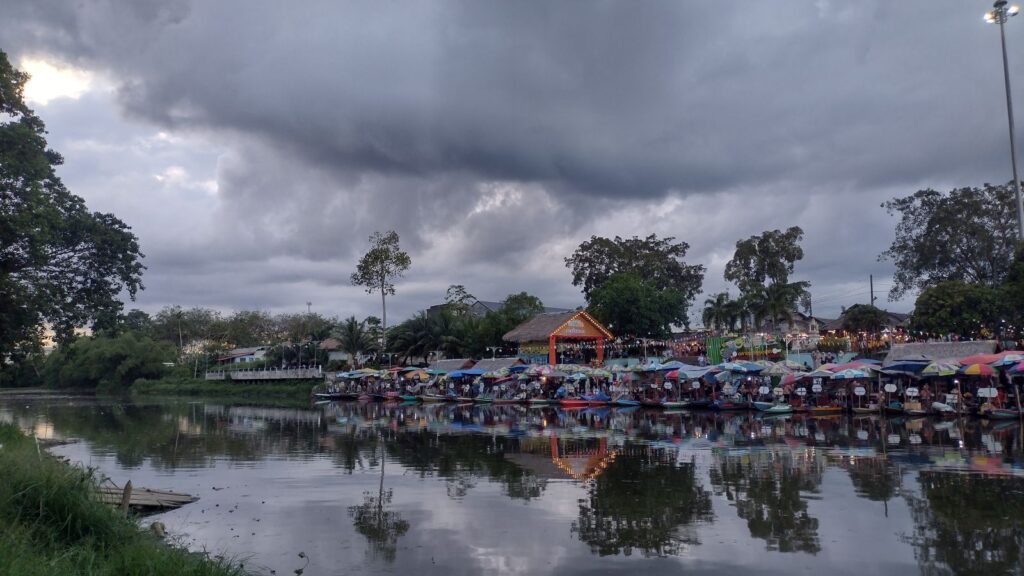
The most iconic of these is the Khlong Hae Floating Market, and its popularity is completely justified. This is, as the name suggests, a floating market.
A couple of dozen boats sit along the water’s edge selling mostly snack foods and souvenirs, although the market as a whole is much larger than that. The boats here serve some unexpected treats, like homemade ice cream and sugarcane juice inside a bamboo cup.
I think at one point this market felt much more chaotic, but as the years go by, it has become quite organized and clean.
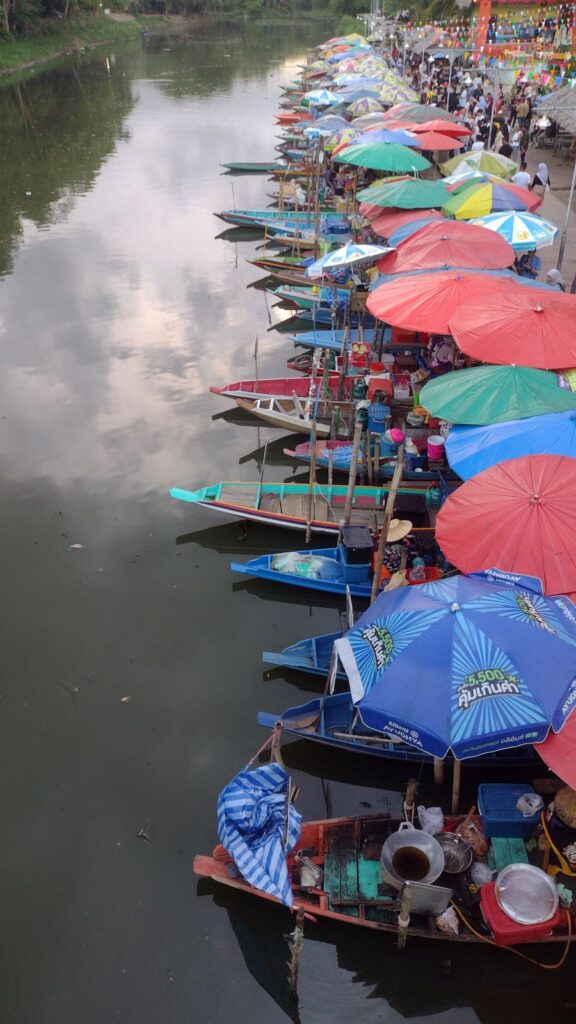
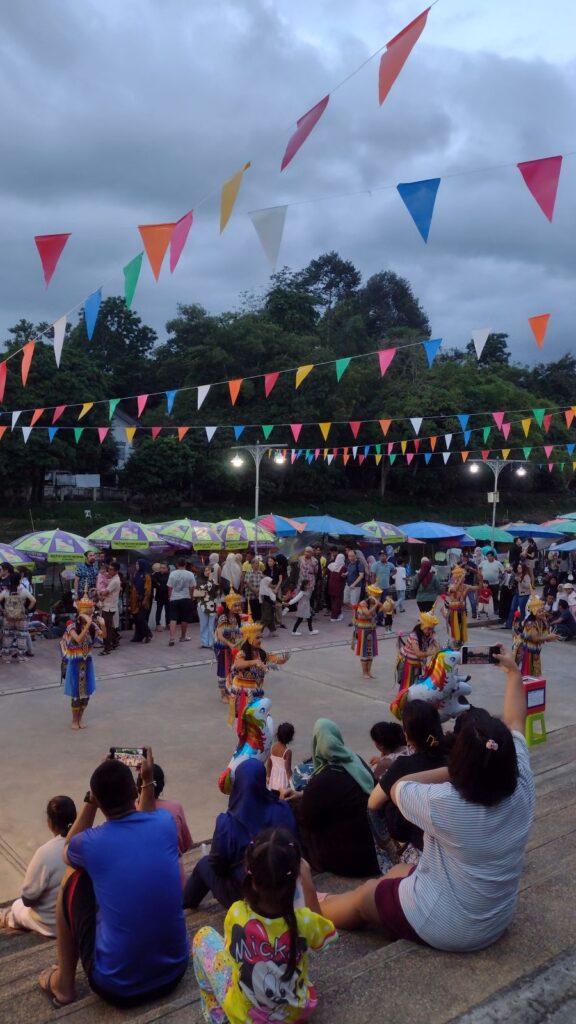
I didn’t really know what to expect from Khlong Hae Floating Market besides the riverfront vendors, so I was pleasantly surprised by everything else. And it’s much more than just a foreign tourist hotspot, as plenty of Thais were about during my visit.
Cultural experiences like live music and traditional dances take place, and the atmosphere is buzzing with energy. More food stalls sit nearby on solid land, as well as the riverside temple of Wat Khlong Hae and a replica of the famous Shwedagon Pagoda in Yangon City.
I should note that this sits way to the north of Hat Yai city, so you’ll need to plan accordingly. Grab has no issue coming here, but on the way back you might have to wait a few minutes for a driver to accept.
When | Weekends from 3 pm to 9 pm
Head Over To The ASEAN Night Bazaar
Here are some of my favorite restaurants around Mostar:
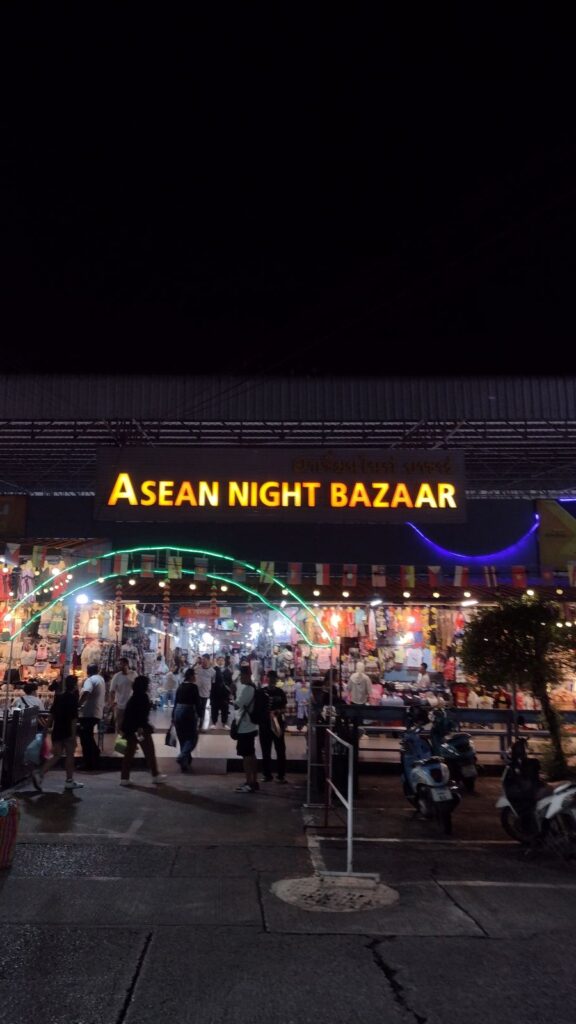
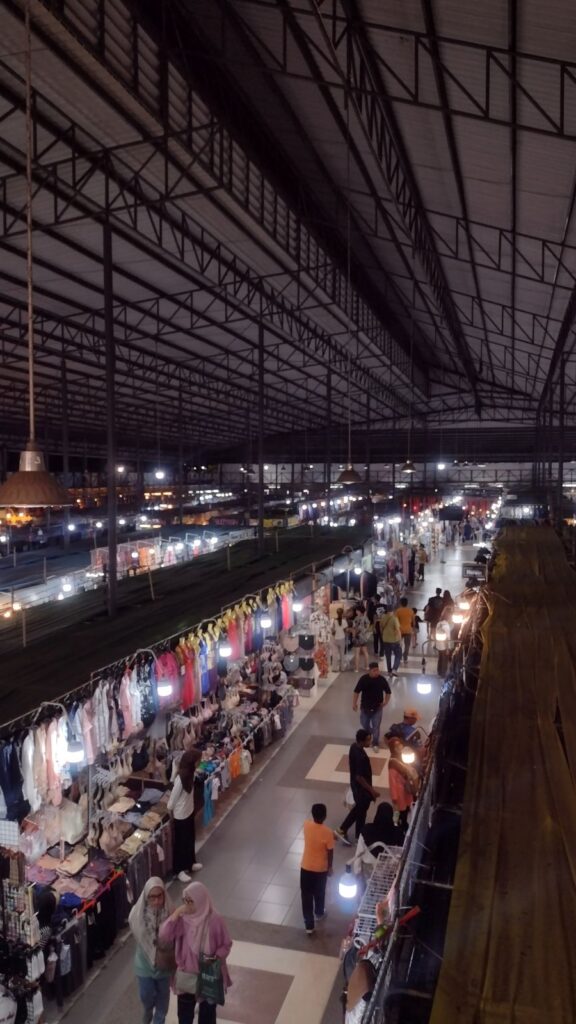
The ASEAN Night Bazaar is a large, two-story night market that sits under an open-air building filled with various clothing, souvenirs, and food stalls.
It reminds me a bit of those classic city markets in Vietnam, where shopping is the main draw, but good food is still about. The first floor is almost exclusively clothing, and for those in need of budget-friendly wardrobe changes, it’s a good place to start.
Bags and souvenirs are also found on this level, while the second floor is exclusively street food. The prices are pretty standard for Hat Yai, and some decent fried meats, seafood, and desserts can be found.
I ended up here a couple of times and enjoyed wandering through the different vendors and grabbing some snacks up top. It can get busy, but tends to clear out a couple of hours before its closing time.
I preferred it to some of the more central night markets in Hat Yai that I’ll cover later on. Plus, it’s only a few minutes’ walk from my favorite night market of them all – Greenway Market.
When | Tuesday to Sunday from 4 pm to 10 pm
Spend an Evening at Greenway Market
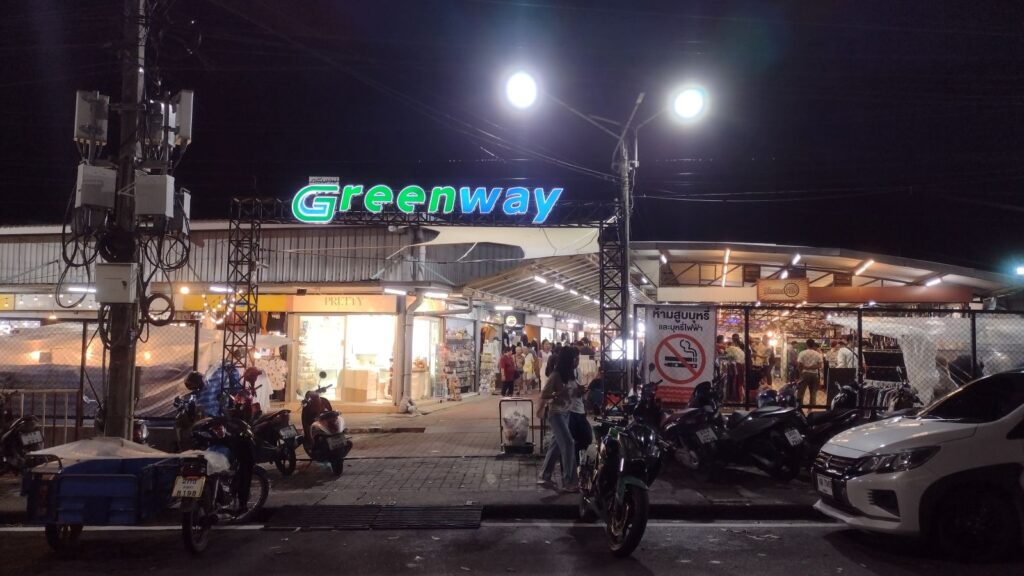
This brings me to Greenway Market, my go-to night market while in Hat Yai.
I really enjoyed it here, and I think that’s because it feels like a mix of the old-school markets I went to on my first trip to Thailand in the 2010s and more modern ones. By this, I mean it has a flea-market style, with pop-up stands selling just about everything you can think of.
There are electronic stalls, toy stands, second-hand clothes, manicure stations, and all other affordable goods. In addition, there are more trendy shops with dedicated spaces and a nice food section.
The dining area is set up so that you put a set amount of money on a separate card and use that to pay. It makes things contactless, which I think was the original reason for it. Don’t worry, in the end they return whatever is left over on this card when you return it.
I tried quite a bit of traditional Thai food here, plus Korean corn dogs, and amazing smoothies. I recommend doing a once-over before committing to a meal, because there is a large
It has a younger crowd here that seems to stay almost to the end, and I found most of the vendors to be super friendly.
When | Tuesday to Sunday from 5 pm to 10 pm
The Rest Of The Hat Yai Markets
Now that I’ve covered the markets I enjoyed the most, I’ll mention some others that are still worth checking out. I even think some travelers would prefer these, especially considering their more convenient location.
The only reason they don’t rank higher for me is that the other ones felt more distinctive. Anyways, here are the other markets worth a shout:
Kim Yong Market
This is Hat Yai’s main daytime market, and it’s a great place to come for fresh produce, meats, and imported snacks. It’s popular among Malay travelers, so there are some nice food-based souvenirs and bulk bags of dried fruits and nuts.
The location makes it an easy visit since it’s in the old town between the clock tower and the train station. Opening times are between 7 am and around 6 pm every day.
Nakhon Hat Yai Municipality Market
A large daytime market that sits next to Mahattamangkalaram Temple. It has mostly fresh meats, fish, and produce, along with other daily food items. It gets chaotic in the mornings and starts as early as 4 am and can go until past sunset. It’s worth stopping by if you head out to the temple to see the large sleeping Buddha.
Yanyong Flea Market
A Saturday flea market that sells all kinds of second-hand items. If you like thrifting clothes, vintage Thai household stuff, or other neat budget finds, you’ll like it here. It can feel a bit disorganized, but that’s typical for markets like these. I’m unsure if it’s actually open any other days besides Saturday, but Fridays and Tuesdays are mentioned. It starts around 6 a.m. and runs until midday.
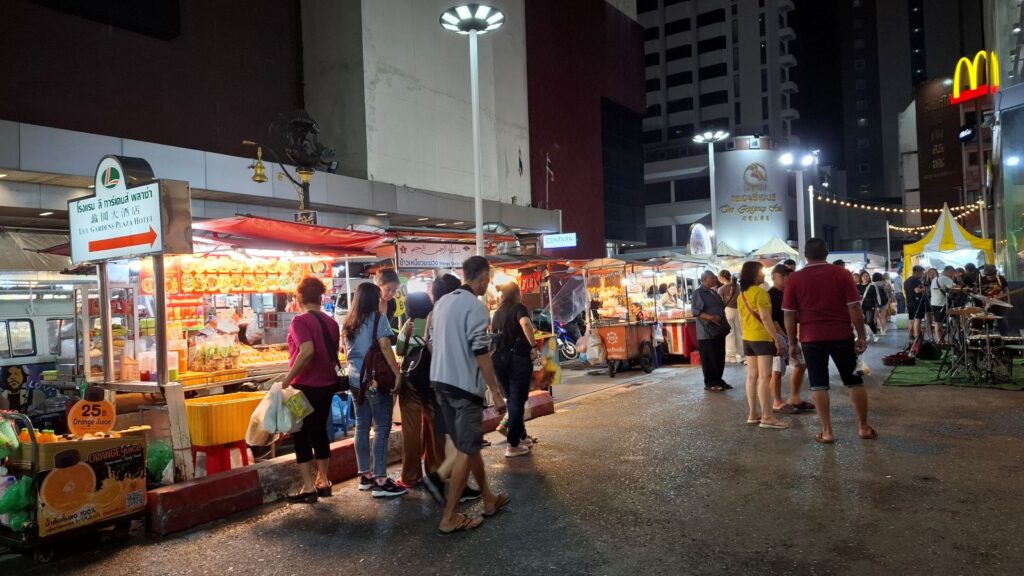
Lee Garden Night Market
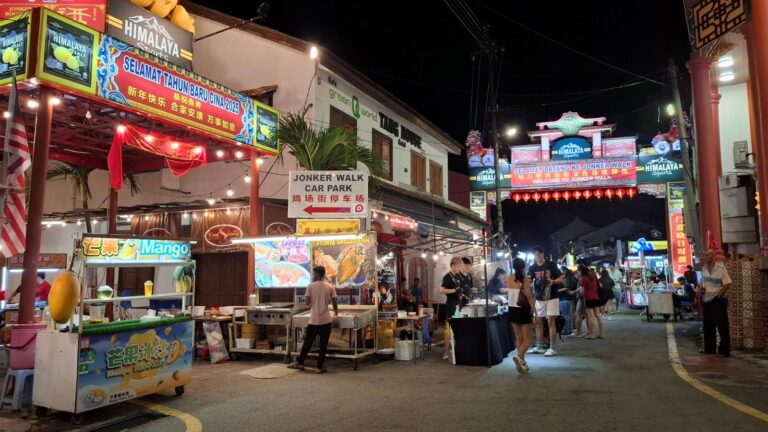
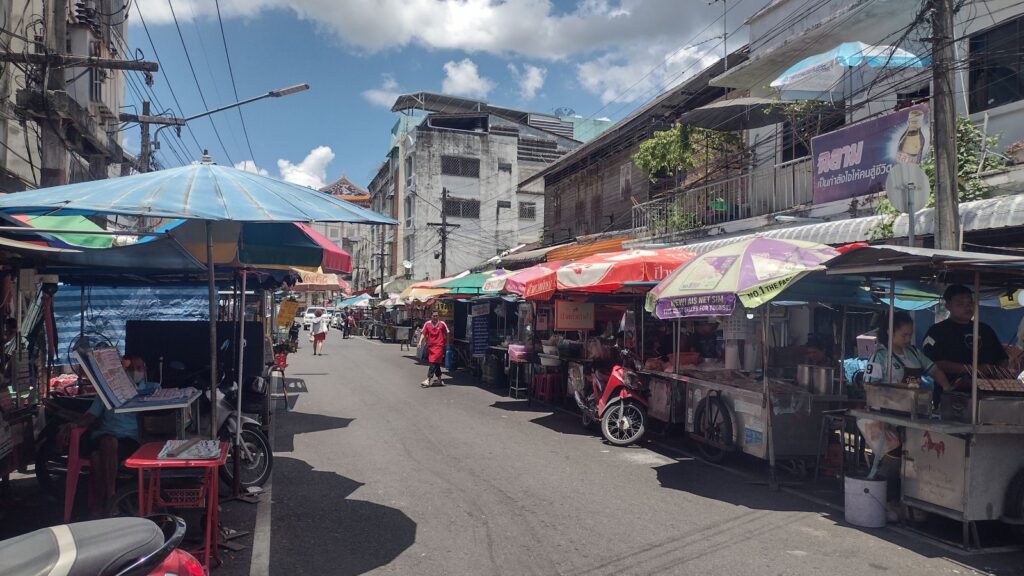
Hat Yai’s most central night market runs along one of its main roads and is a pretty standard street food market. You have all the most notable Thai dishes here, like mango sticky rice, pad thai, and pad krapao.
And like most night markets around Thailand, it has plenty of fresh smoothie stands and grilled meats, but also halal-friendly foods.
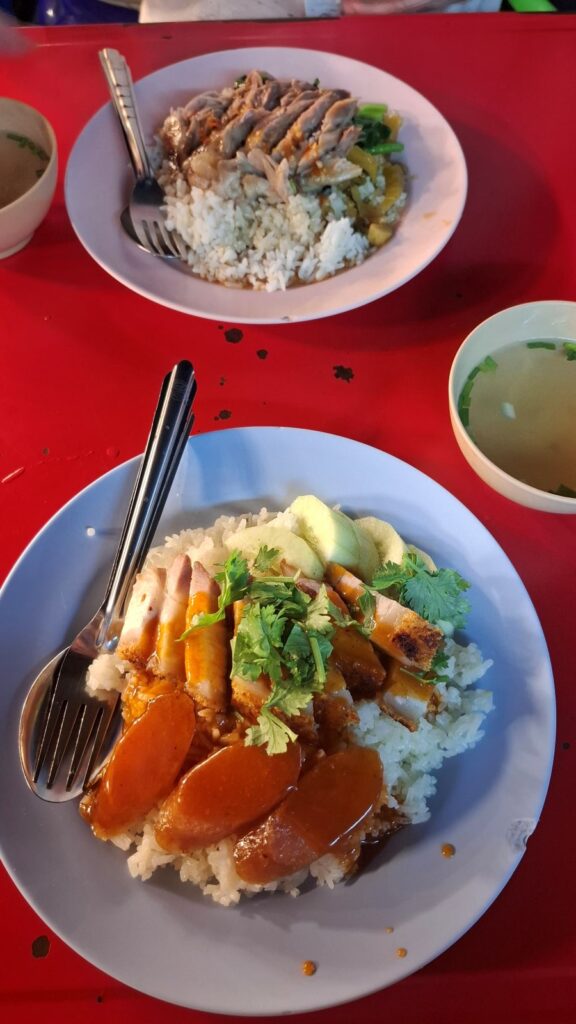
Most things are slightly pricier because it’s next to all the hotels where foreign travelers stay. I did, however, have an awesome BBQ pork rice here. It’s near Lee Garden Plaza and is open every night, although there are fewer stalls on certain days.
Check Out The Street Art
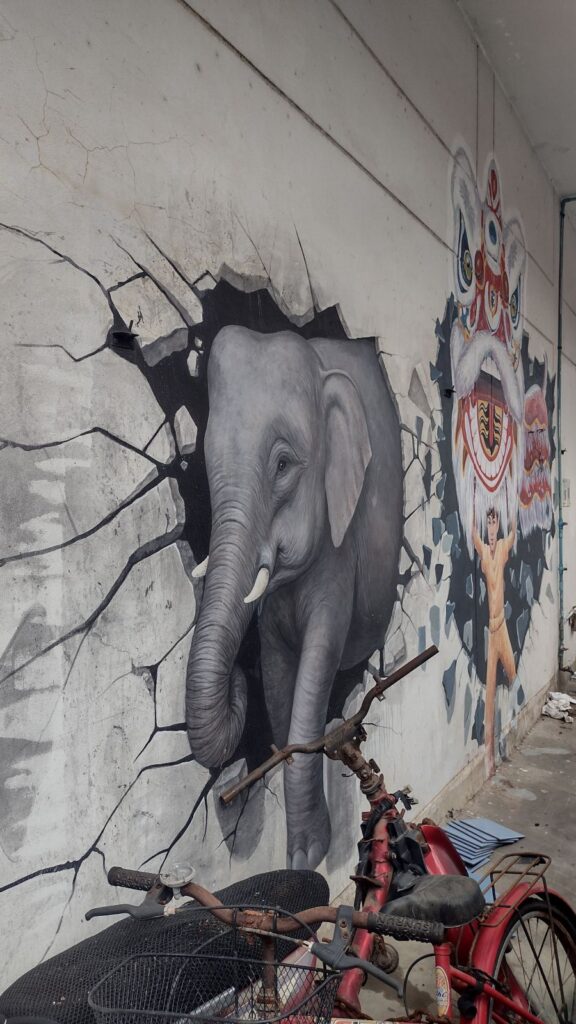
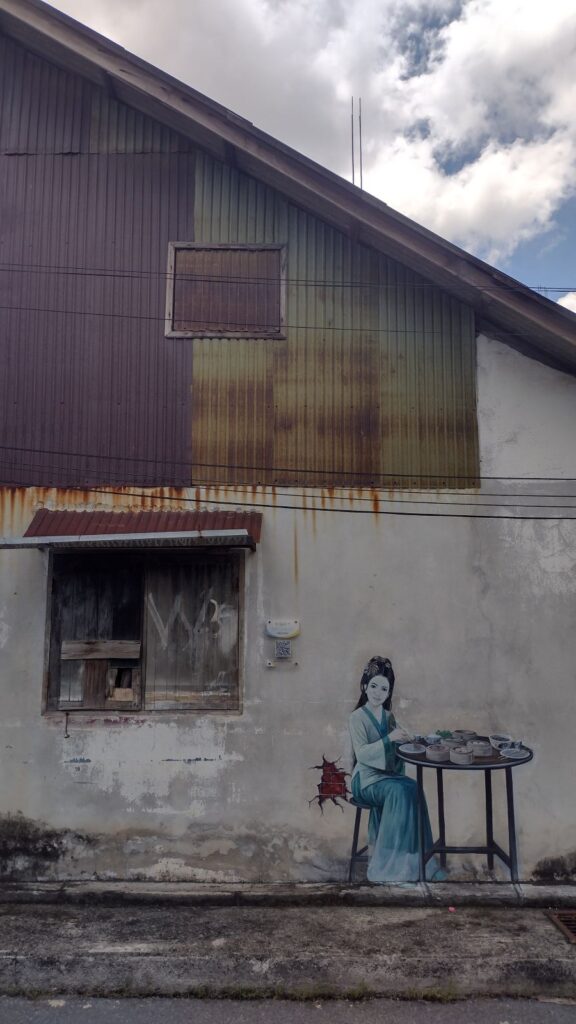
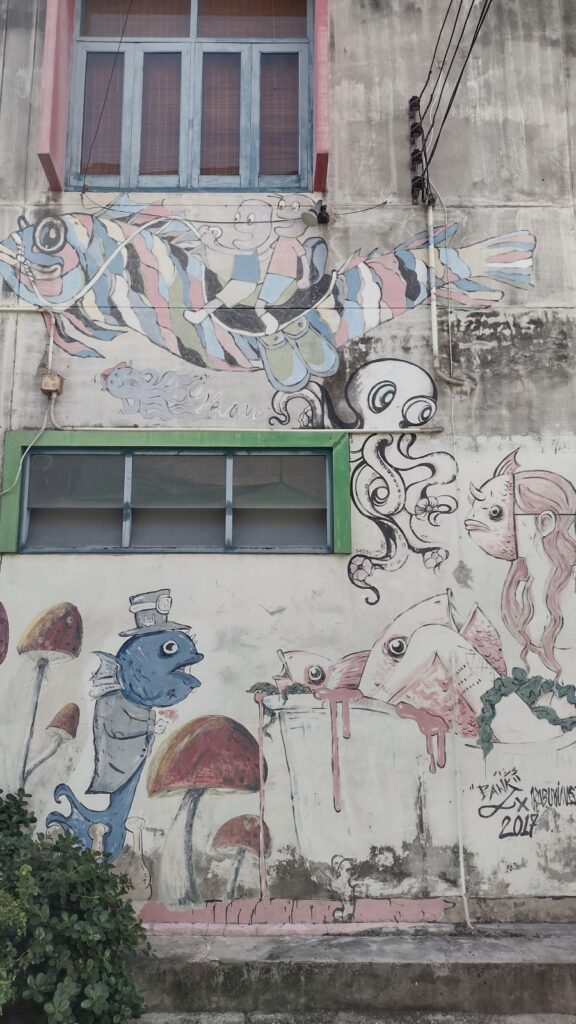
I found myself on more than one occasion, simply walking the streets of Hat Yai to find some pretty awesome street art. These murals really add to the charm of the city and go nicely with the vintage architectural style.
While you can find smaller pieces etched along different walls throughout the city, most of the street art is contained within a five-block radius. This area is in the heart of the old town, which means you just have to keep your eyes peeled while visiting the famous temples or grabbing a coffee at a nearby cafe.
Here are the streets whose murals stood out to me:
Suphasan Rangsang Road (ศุภสารรังสรรค์) | Two large murals sit along the walls near the Mixue south of Wat Thawararam, and the “Prosperous and Happy” piece is just to the north.
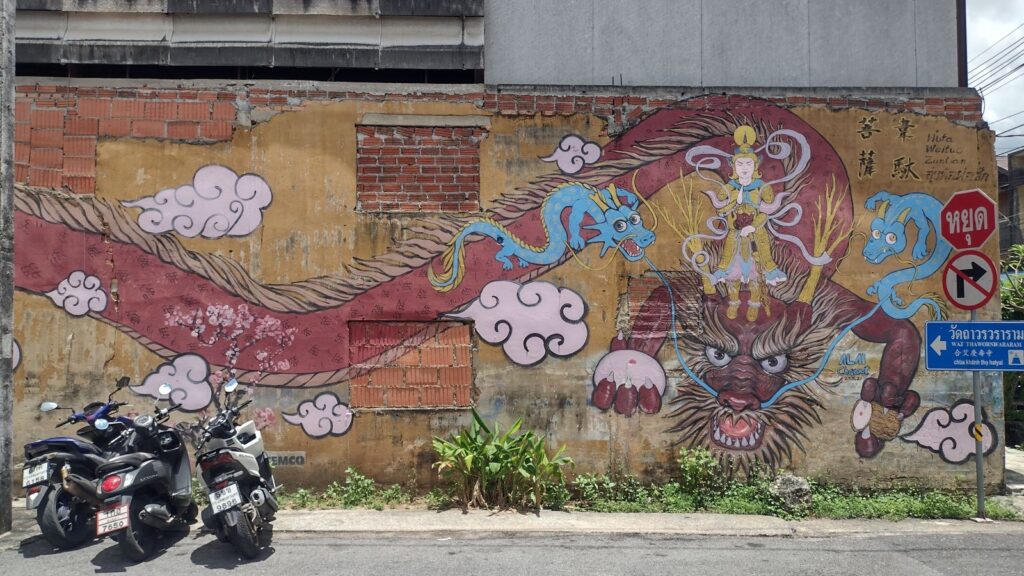
Soi Watthavorn | This is a side street that branches off of Suphasan Rangsang Road and has some of the city’s most iconic art installations. These include the Celestial Phoenix and the Heavenly Dragon, Toong Chae!, Scent of the Tea, Delicious, and Happy Meal.
Amnuaywit Alley | An alley that runs parallel to Soi Watthavorn to its south. This is home to a few awesome pieces like Railway Junction and Pair of Hornbills, amongst others.
More Pieces Around Hat Yai | Some other murals I enjoyed are the large fish one along the riverfront at the corner of Suansiri Street and a wall next to the 99 Food Court.
Also keep an eye out for any new urban art throughout Hat Yai. The city has already put up some really beautiful crosswalks to bring awareness to the devastating 2025 floods. I visited again after this, and it’s heartwarming to see how the people of Hat Yai have come together to help each other through the carnage.
Enjoy The Hat Yai Food Scene
Hat Yai, to me, stands out as one of the best foodie destinations in Thailand. It’s this wonderful blend of traditional Thai cuisine along with Malaysian and Chinese cuisine. There’s no real surprise there, as it’s a very popular spot for visitors from Malaysia.
My only issue with food here was that I didn’t get to try more of it!
It’s one of those cities that my taste buds have fond memories of, and that probably has a bit to do with my love of both Thai and Malaysian food. I’ve covered the markets throughout Hat Yai already, so I’ll share a few more standalone restaurants worth stopping by.
Here they are:
Chokdee Dim Sum | One of Hat Yai’s most beloved dim sum restaurants, it’s easy to tell when you come around breakfast time. It gets a heavy dose of travelers from across the border, which is always a good sign, as Malaysia is renowned for its local dim sum shops. There’s a lot to get here, and if you’re not careful, the prices can add up. But it’s worth the visit. Expect to wait in a line if you come during peak hours, though.
Krua Pa-Yad | Another popular restaurant with a focus on southern-style Thai seafood. The sour fish curry, crab curry, and fried fish are all staples on the menu, but the pork here is also worth a try. It’s best if you come here in a group or with a big appetite because the dishes are large and meant for sharing.
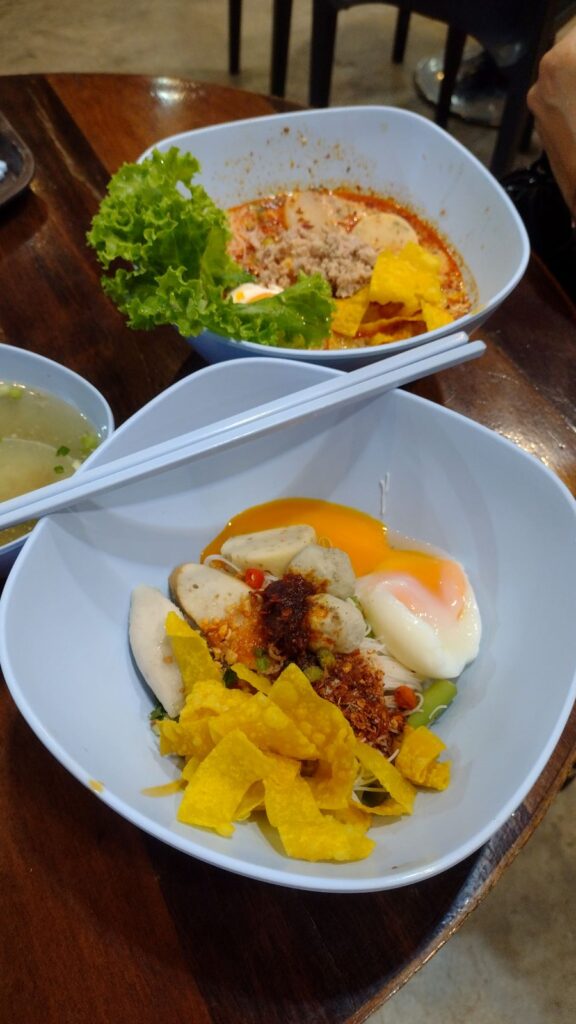
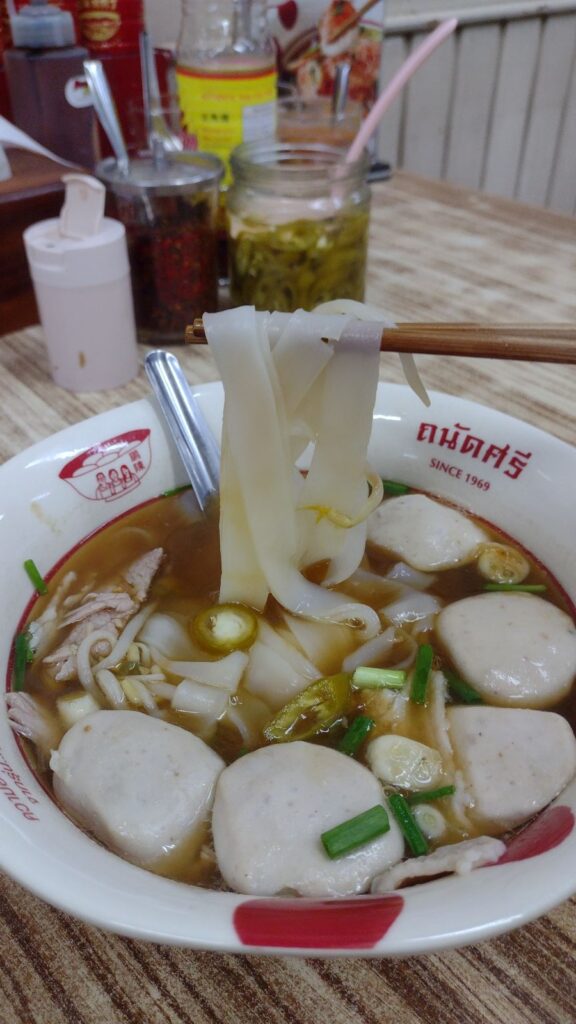
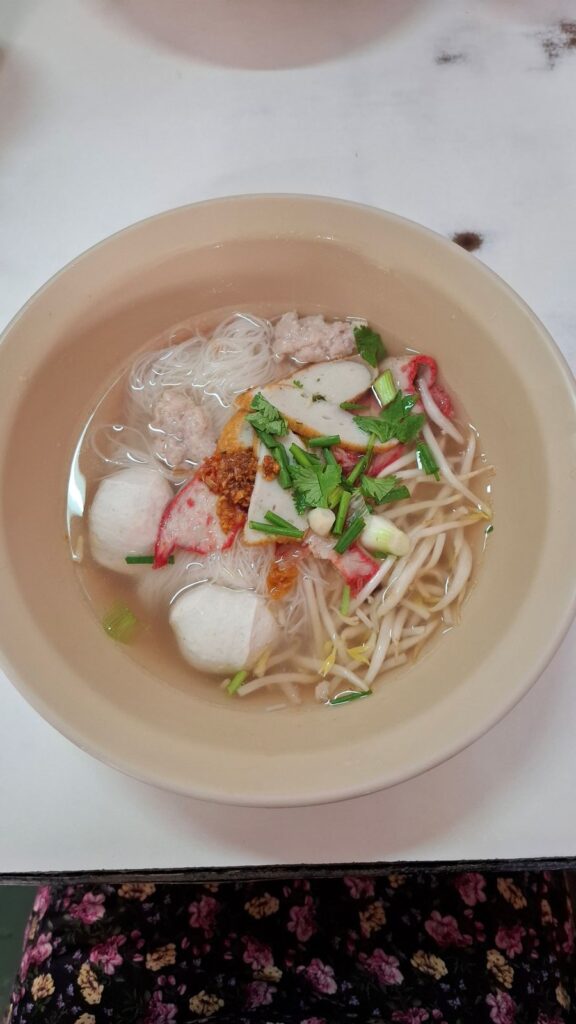
Thanadsri Hatyai (since 1969) | An iconic Chinese noodle shop that has lovely chewy noodles. There are a handful of different types of noodles and broths you can choose from to go along with variations of pork and meat cuts. I had a bowl with pork cuts and meatballs, and my partner had the same but with beef. I didn’t get them, but the fishballs are supposed to be pretty good as well. I recommend it for those looking to create their own flavor of noodle soup.
Kai-Tod Decha (Bangloh) Chee Uthit Branch | This might be the best restaurant in town to try Hat Yai fried chicken. I recommend getting it as khao mok with the biryani-style yellow rice. With that being said, the tom yum soup is also a favorite, as is the som tum (papaya salad).
A FEW MORE FOR GOOD MEASURE
- Gotee Ocha | For the bak kut teh (pork rib soup)
- Dao Thiam | For breakfast
- Kanomjeen Pa Chuen | For kanom jeen (thin rice noodles served with various curries)
Explore More Around Hat Yai
Now that I’ve covered Hat Yai’s food, markets, and temples, I can move on to some of the other attractions. If you have a couple of spare days, you can easily fill them with what’s around the city and nearby countryside.
Here are some extra things worth doing:
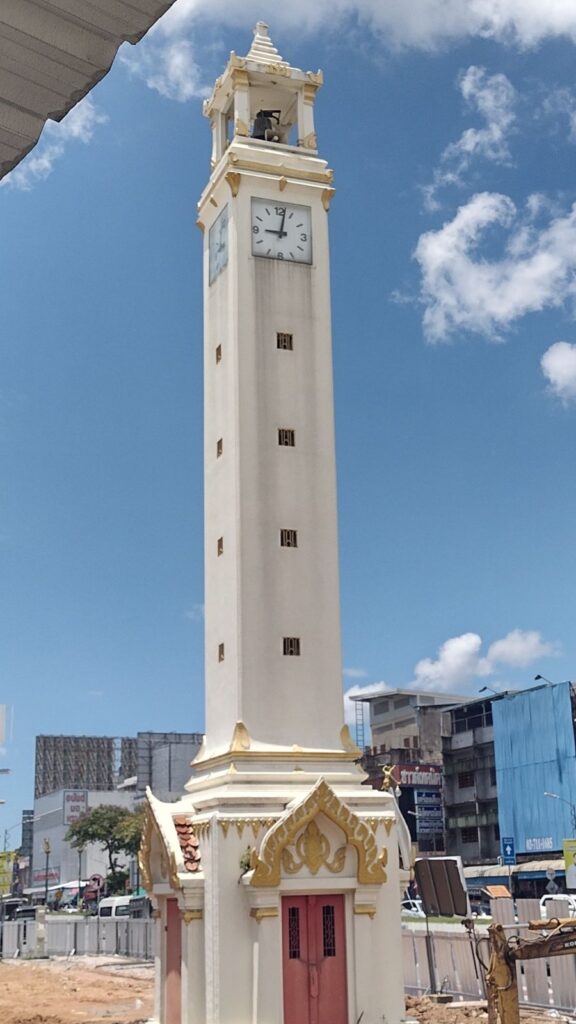
- Have a look at the Hat Yai Clock Tower and wander around the attached Hat Yai Plaza Market.
- Pop into the Princess Maha Chakri Sirindhorn Natural History Museum to learn about ancient history, science, wildlife, and dinosaurs. It’s located in the university and is only 50 THB for foreigners.
- If you have your own vehicle, you can head from the Natural History Museum east to Phra Mahatha Chedi Traiphop Trai Mongkhol. The stainless steel pagoda is an extraordinary piece of architecture and is part of a larger hilltop temple complex.
- Head out to Hatyai City Municipal Park to escape the city and see the park’s shrines. If you want to catch some panoramic views of the city, you can take a ride on the cable car.
- Head west into the Thai jungle to see some of Songkhla’s natural waterfalls. The seven-tiered Tone Nga Chang Waterfall sits in a nature reserve and is the most popular of these.
Day Trip To Songkhla
Despite being the largest city in Songkhla Province, Hat Yai is surprisingly not the capital. That distinction belongs to Songkhla City, and it’s an easy, spectacular day trip option.
It’s also a perfect complement since it sits along the Gulf of Thailand and offers a way to hit up one of Thailand’s famed beaches. And if it wasn’t for Prachuap Khiri Khan, I’d maybe consider it my favorite beach town in the country. Well, at least out of the ones I’ve seen so far.
If you have the time, I’d even go as far as suggesting a couple of nights’ stay. But that’s not always feasible, so here are some recommendations for a day trip:
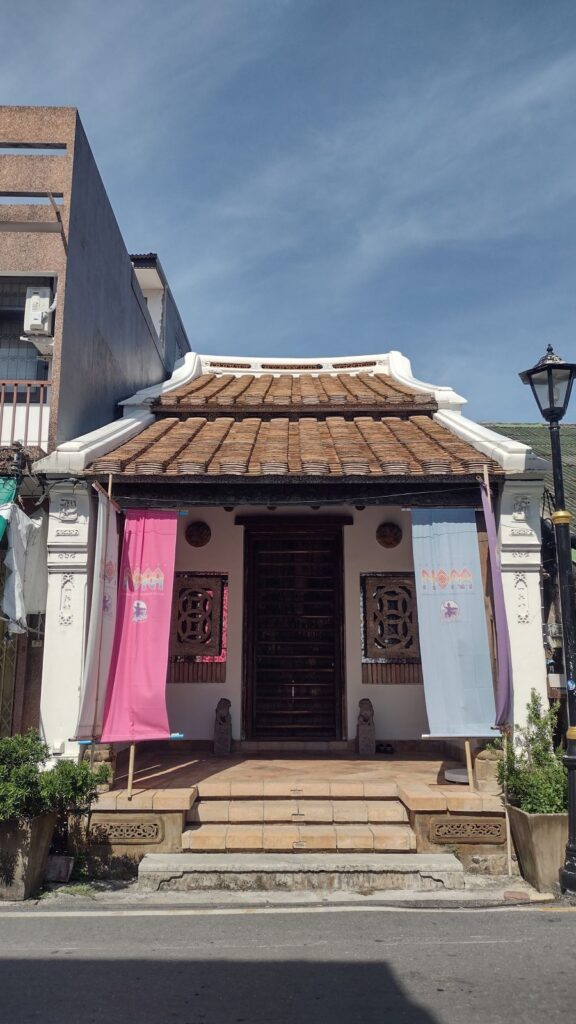
- Wander through the beautiful Songkhla Old Town in search of beautiful Buddhist temples and Chinese-designed shrines.
- Pop over to Ko Yo island for some fresh seafood and more wonderful Thai wats.
- Explore the colonial architecture around town and embrace the vibrant street art scene.
- Head into one of the many museums to learn about Songkhla and its long, intriguing history.
- Find the Songkhla City Walls and/or head over the bridge to find the ruins of the old fortresses of Singora.
- Of course, hit up one of the city’s beaches. Samila Beach is almost mandatory and has some really cool sculptures nearby, like the iconic Golden Mermaid Statue.
Getting There | Having your own vehicle will do you wonders, but public transport does run this route throughout the day. A minivan leaves from platform 14 at the Hat Yai Bus Station and comes back from the Hat Yai–Songkhla Passenger Van Waiting Point (maps). If you do drive yourself, it’s worth stopping at the Central Mosque of Songkhla, which is often called the Taj Mahal of Songkhla.
For a more detailed look at Songkhla, you can check out my ‘Songkhla City Guide.’
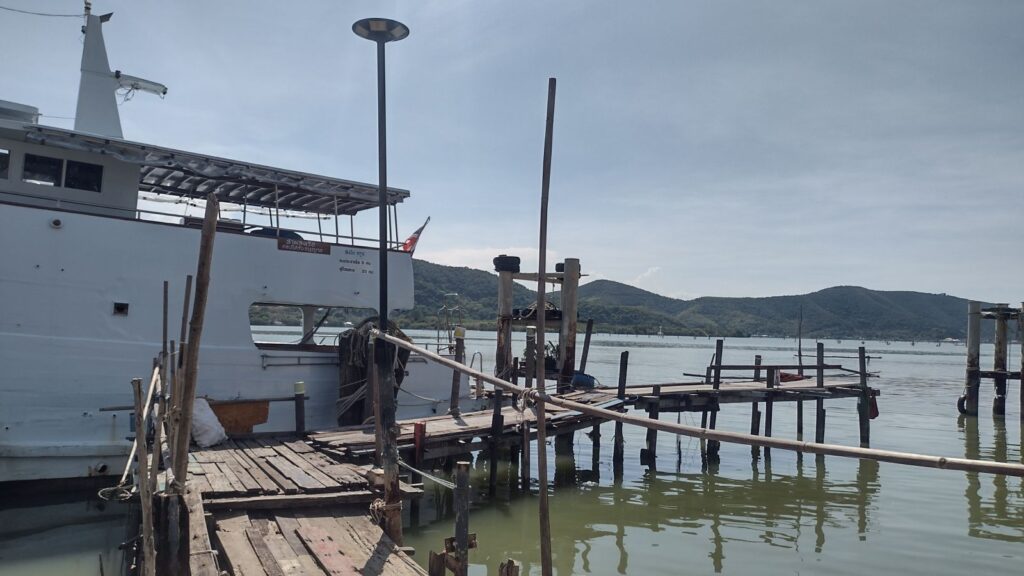
GETTING AROUND HAT YAI
While Hat Yai’s city center is easy enough to walk around, it’s pretty spread out as a whole. If you’re only here a few days, then walking with a mixture of Grab or taxis to the floating market and temples on the town’s outskirts is manageable. That said, a rental car or motorbike will make things significantly easier if you want to see the countryside.
In terms of public transport, it’s not super connected throughout the province, but it’s navigable. Here are the main spots to know:
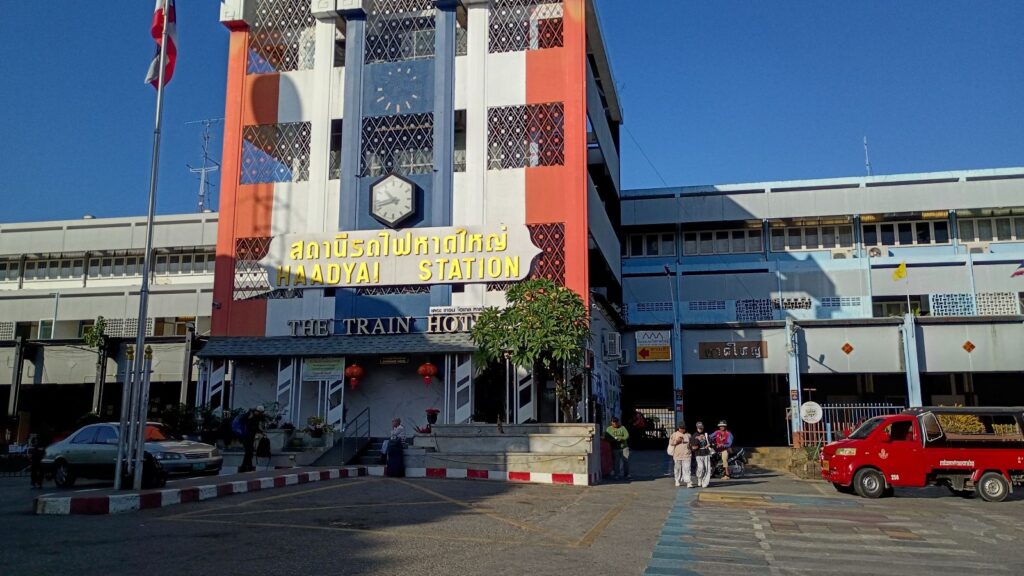
Hat Yai Train Station (maps) | This is where you’ll come for any train to Malaysia or to the north of the country. If you’re planning to take a sleeper train from here, I suggest booking in advance. They tend to sell out a couple of days before departure during peak travel seasons. Local seated trains to nearer provinces won’t have this problem. For any information regarding booking online or questions about travel routes, I suggest checking out The Man in Seat 61 for up-to-date information (in English).
Hat Yai Bus Station (maps) | Just about every bus, whether it’s local or long-distance, leaves from here. It’s close to the ASEAN Night Bazaar and is ideal for getting to places like Songkhla City and the bordering provinces.
Hat Yai Clock Tower Stop (maps) | The minibus to Songkhla and songthaews to different parts of Songkhla Province stop by here before heading out of Hat Yai. I recommend going to the bus station for the Songkhla bus, though, as if it’s full, it won’t stop by here for more people.
TRAIN TO MALAYSIA
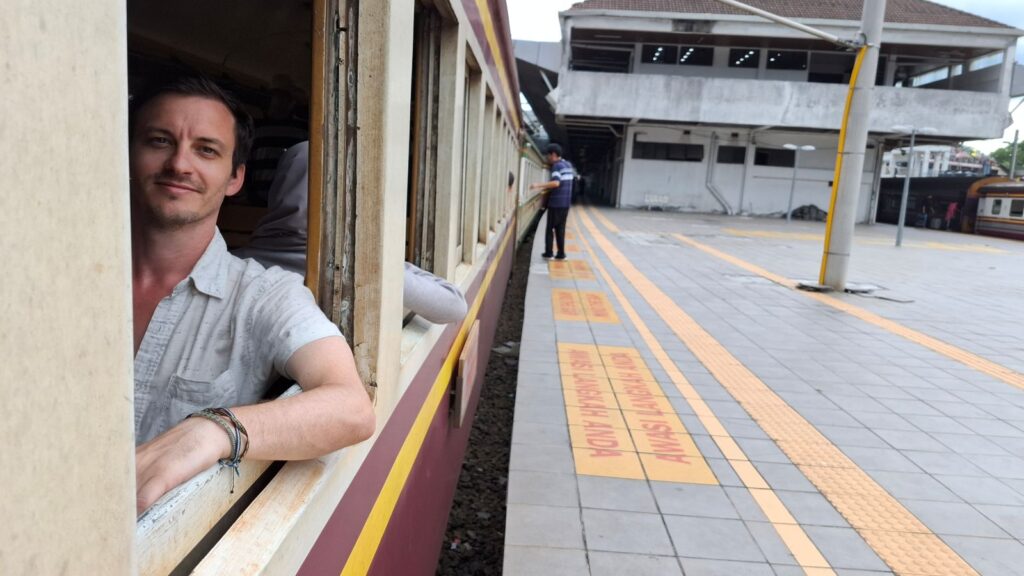
The train going to the Malaysian border will end in Padang Besar. This leg of the journey is around an hour, and you won’t need to purchase it in advance. Once at the border, you’ll head through customs, and then purchase another ticket to board a Malaysian train.
Buses also leave from Pedang Besar south, but the train is clean and easy to use on the Malaysian side. It might feel a bit overwhelming at the border’s train station, but just follow the crowd and feel free to ask for help, as Malaysians generally have excellent English skills.
WHERE TO STAY IN HAT YAI
Despite being a popular stop in Thailand due to the train, Hat Yai doesn’t have too many large-scale hotels. I’m a big fan of this, as it means more family-run guesthouses and hotels, plus a few unique hotels and boutique hotels.
Most things in the city are within walking distance, but if you have to catch an early train, you might want to look for accommodation close enough to the Hat Yai Train Station.
Here are some recommendations:
Khoksametchun Hostel | One of the few hostels in Hat Yai. It’s budget-friendly and has mixed and female-only dorms.
Lorjula INN | A clean, recently renovated hotel in the mid-price range for the area. It’s only a few steps away from the train station.
Chinatown Living Hatyai Hotel & De Blue Door | Two lovely midrange hotels in the heart of Old Town. They are both in proximity to Kim Yong Market and the Lee Garden Night Market. You can expect spacious, clean rooms, with De Blue Door being a bit more budget-friendly.
TK Thongrak Apartment | Despite the apartment being in the name, these are more like typical Thai hotel rooms. But they are clean, well-priced, and close to the ASEAN Night Bazaar and Greenway Night Market.
Casa 33 Hatyai | A gorgeous boutique hotel in the northern part of the city. There are comfy beds, a shared pool, and the shared area is very picturesque.
For more Hat Yai accommodations, check here.